
Why Nuclear Energy Is Becoming the Backbone of AI, Net-Zero, and Energy Security
Request a Consultation
By Francesco Bernardini — Sustainable Energy Market Development Manager, EMEAI
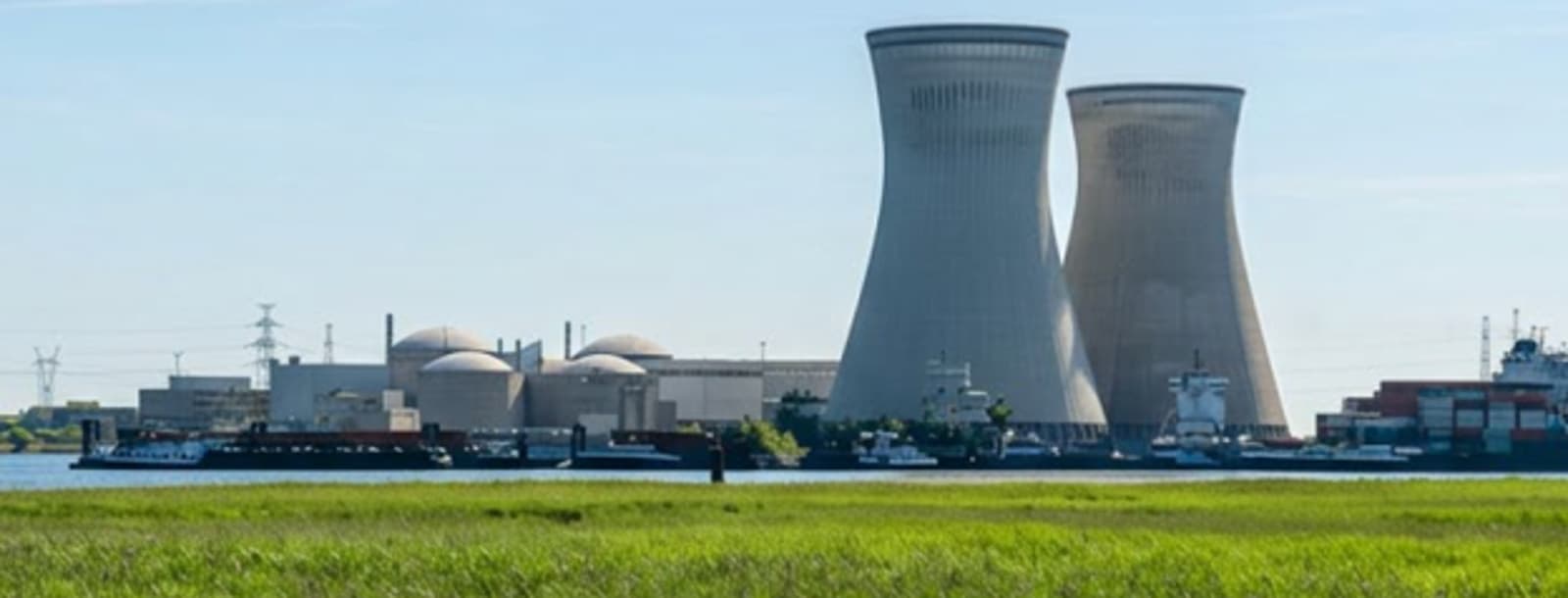
Nuclear energy is moving from a strategic option to a cornerstone of the global energy transition. For decades it has sat at the intersection of ambition and debate — but today, the balance is shifting, driven not by ideology but by structural changes in electricity demand, the rise of AI data centers, and renewed energy security concerns.
Two forces are accelerating this shift:
- the exponential rise of AI-driven data center electricity demand
- renewed energy security concerns, amplified by geopolitical tensions in regions such as Eastern Europe and the Middle East
What emerges is clear: nuclear energy — including next-generation small modular reactors (SMRs) — is becoming a core pillar of resilient, low-carbon power systems.
AI Data Centers Are Reshaping Global Electricity Demand
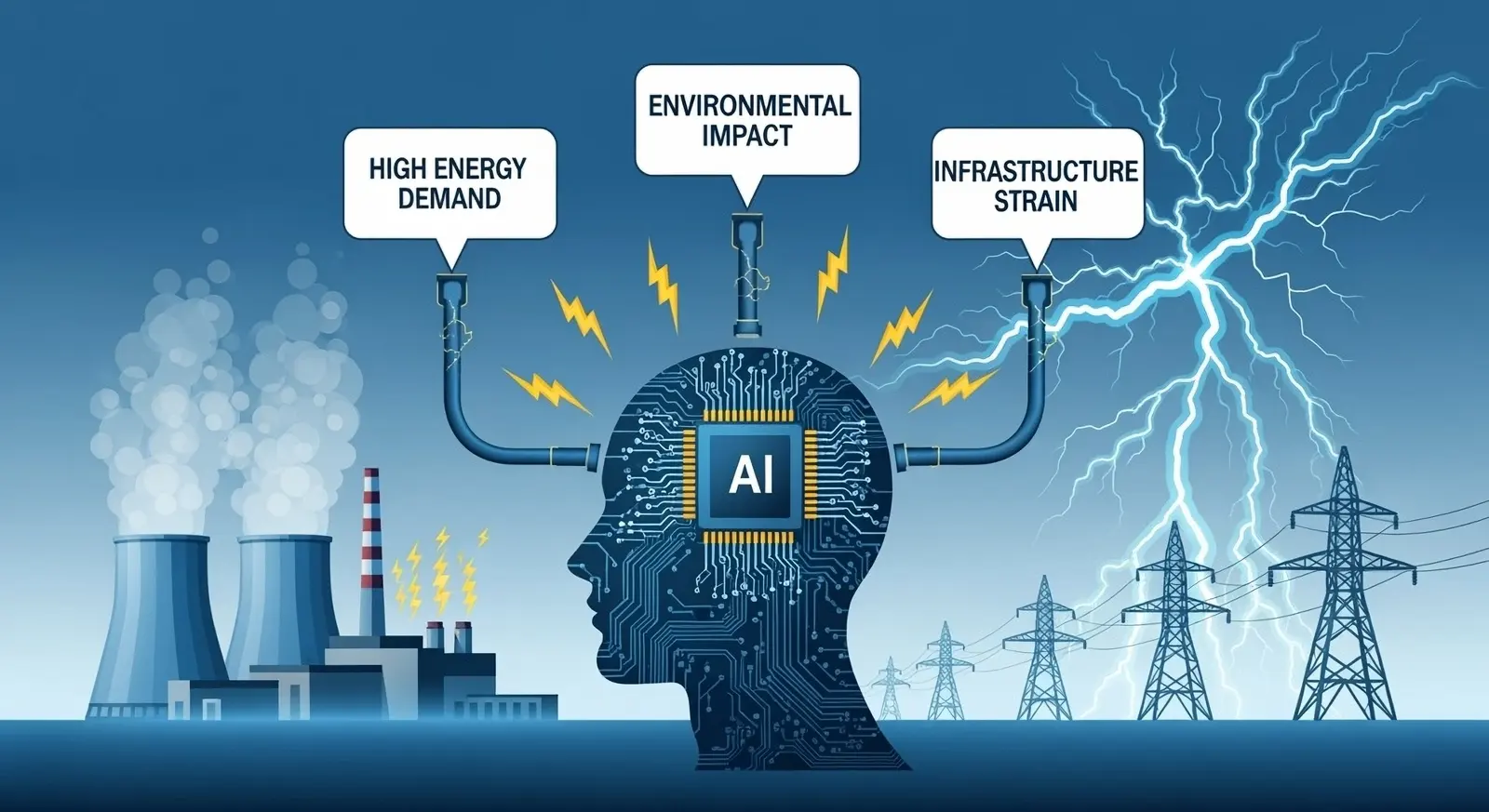
Global electricity demand is entering a new growth cycle. According to the IEA, data center electricity consumption surged by 17% in 2025 alone, with demand expected to double by 2030 as AI adoption accelerates.
In parallel, some projections indicate that AI-related infrastructure could drive electricity demand up to 1,600 TWh globally by the mid-2030s, highlighting the scale of the challenge.
This demand profile is fundamentally different:
- 24/7 availability
- High load density
- Zero tolerance for intermittency
At the same time, geopolitical tensions continue to reshape energy policies. The IEA explicitly highlights that energy security risks linked to geopolitical fragmentation are pushing countries to diversify supply and reduce reliance on imports.
In this context, nuclear energy offers a unique combination: firm, dispatchable, low-carbon power at scale
It is no coincidence that nearly 40 countries are now considering expanding nuclear capacity as part of their energy transition strategies.
Nuclear Energy and the Net-Zero 2050 Equation
Reaching net-zero emissions by 2050 will require unprecedented electrification—and a massive expansion of clean generation.
IEA scenarios indicate that:
- Global nuclear capacity could rise from ~416 GW today to 650 GW under current policies
- and exceed 1,000 GW in a net-zero scenario by 2050
In parallel, over 20 countries pledged at COP28 to triple nuclear capacity by 2050, reflecting growing political alignment.
The implication is clear:
Without nuclear, the cost and complexity of achieving net-zero increase significantly—especially for hard-to-abate sectors and high-load applications like digital infrastructure.
Firm Low-Carbon Power: How Nuclear Complements Renewables
From a system perspective, nuclear energy stands out for its performance characteristics:
✅ Very low lifecycle emissions (comparable to wind)
✅ Capacity factors typically above 80–90%, far exceeding intermittent renewables
✅ High energy density, with nuclear fuel containing millions of times more energy per unit than fossil fuels
In 2023 alone, nuclear power avoided approximately 2.1 billion tonnes of CO₂ emissions globally, equivalent to the annual emissions of most countries.
Crucially, nuclear is not competing with renewables—it is enabling them.
As power systems decarbonize:
- Wind and solar provide low-cost variable generation
- Nuclear provides stability, inertia, and firm capacity
This combination is essential to maintain grid reliability in high-renewable scenarios.
Inside the Nuclear Energy Value Chain
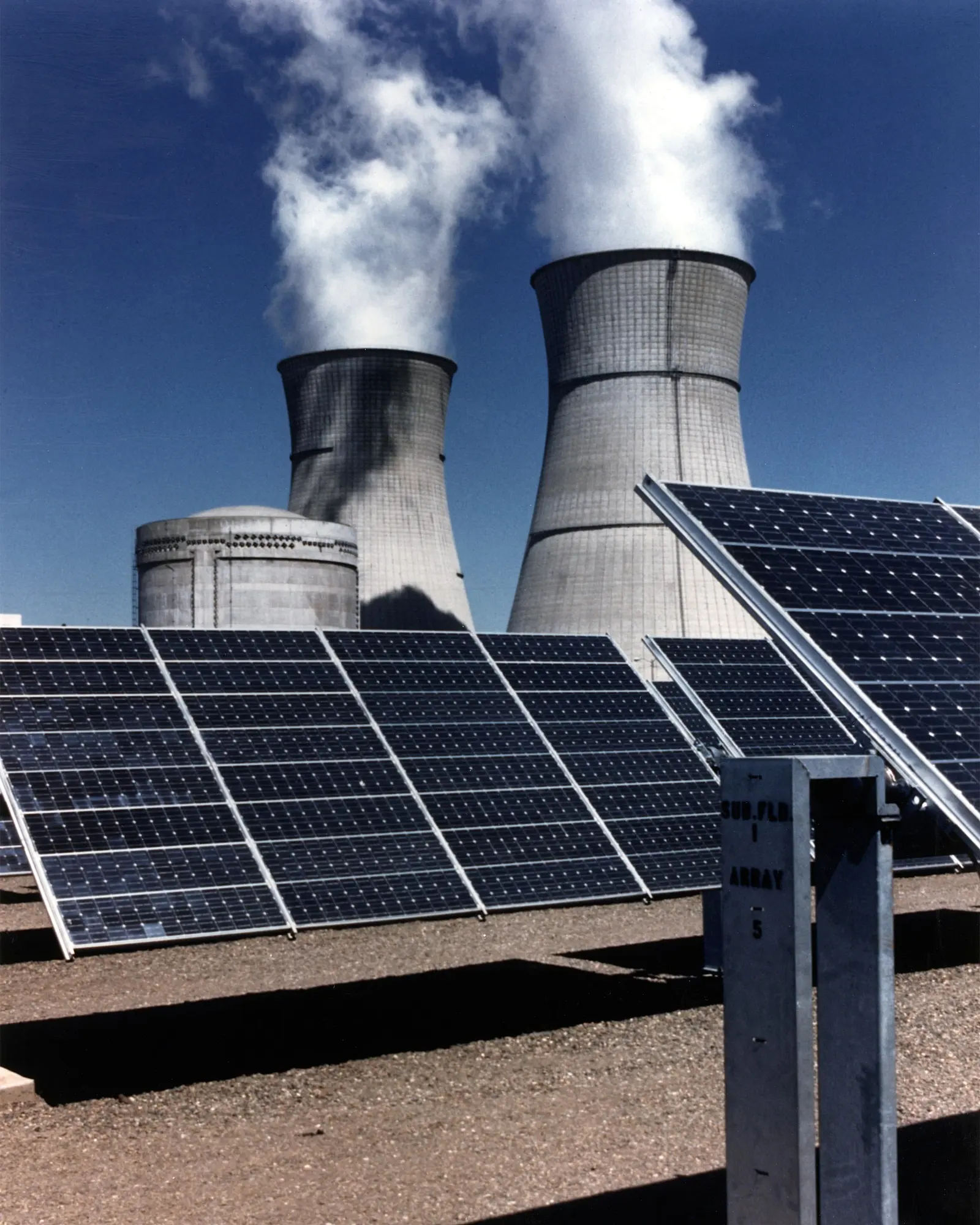
The nuclear industry operates through a highly structured, global value chain:
Front-end:
- Uranium mining and milling
- Conversion and enrichment
- Fuel fabrication
Power generation: 4. Controlled fission generates heat, producing steam to drive turbines and generate electricity
Back-end: 5. Spent fuel storage, reprocessing (in some countries), and final disposal
The entire cycle requires highly specialized technologies, strict regulatory frameworks, and long-term operational planning, making it one of the most complex industrial ecosystems in the energy sector.
Policy Momentum: Why Small Modular Reactors (SMRs) Are Accelerating
Policy frameworks are evolving rapidly, with nuclear increasingly recognized as part of the clean energy mix.
In Europe:
- The European Commission has formally integrated nuclear into its decarbonization and energy security strategy
- A dedicated SMR (Small Modular Reactor) industrial strategy targets first deployments in the early 2030s
- Expected SMR capacity could reach 17–53 GW by 2050 in the EU alone
In the United States:
- The ADVANCE Act (2024) and subsequent legislation aim to accelerate licensing and deployment of advanced reactors
- New bills focus on scaling SMR industrialization and manufacturing competitiveness
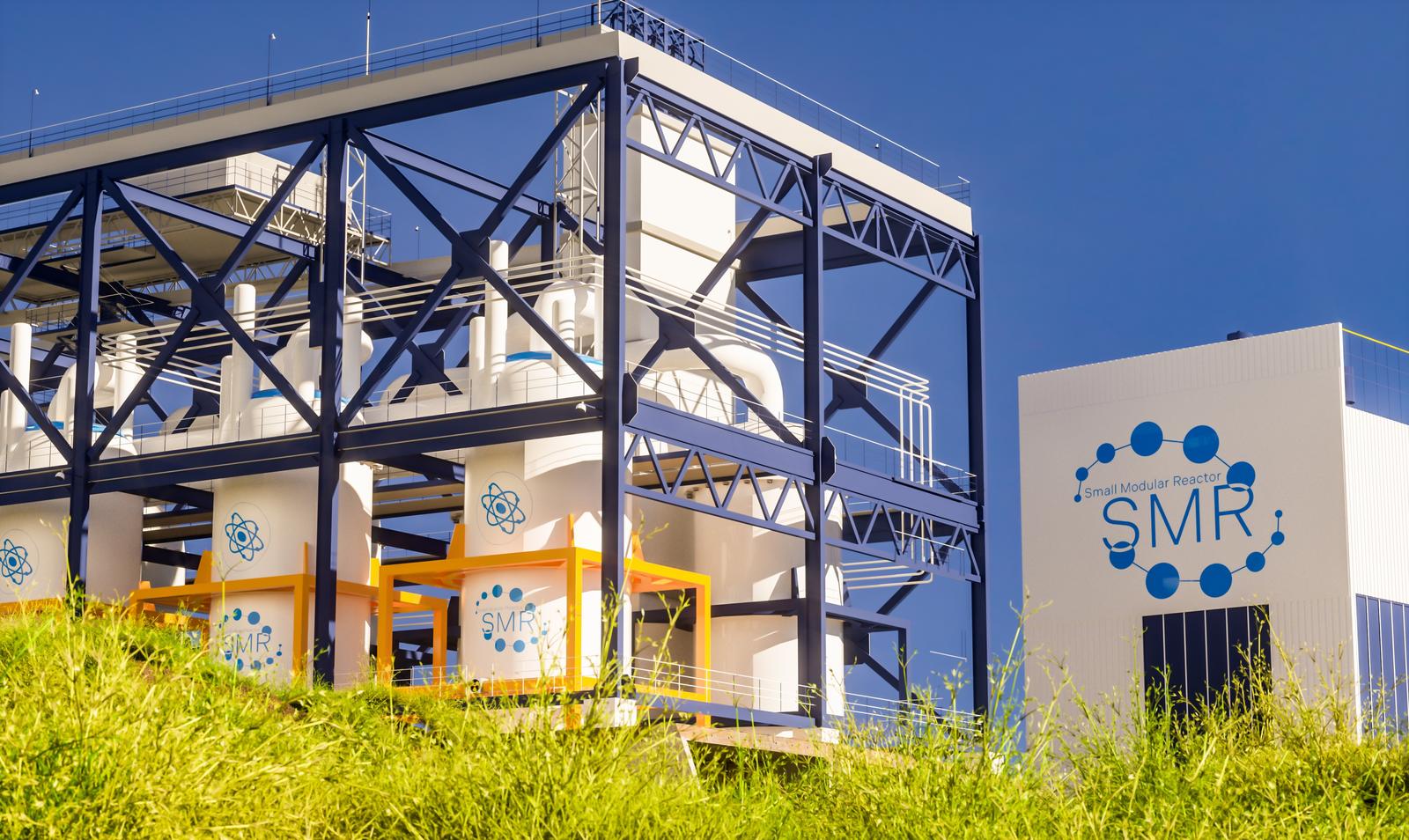
Globally, SMRs are gaining attention because they offer:
- Lower upfront capital requirements
- Factory-based modular construction
- Flexibility for industrial sites, remote areas, and data centers
IEA projections suggest that SMR capacity could reach up to 120 GW by 2050 under supportive policy scenarios.
A New Growth Cycle for Nuclear Energy
The direction is no longer ambiguous. Nuclear energy is being reshaped by:
- Structural electricity demand growth, led by AI and data centers
- Energy security imperatives in an increasingly fragmented geopolitical landscape
- Net-zero commitments requiring firm low-carbon capacity
- Policy support and innovation, particularly in SMRs
At the same time, challenges remain—project timelines, financing models, and supply chain constraints must evolve to match the scale of ambition.
Yet the trend is clear:
Nuclear is transitioning from a legacy baseload technology to a strategic enabler of the future energy system.
Request a Consultation
By Francesco Bernardini — Sustainable Energy Market Development Manager, EMEAI
REACH OUT TO US