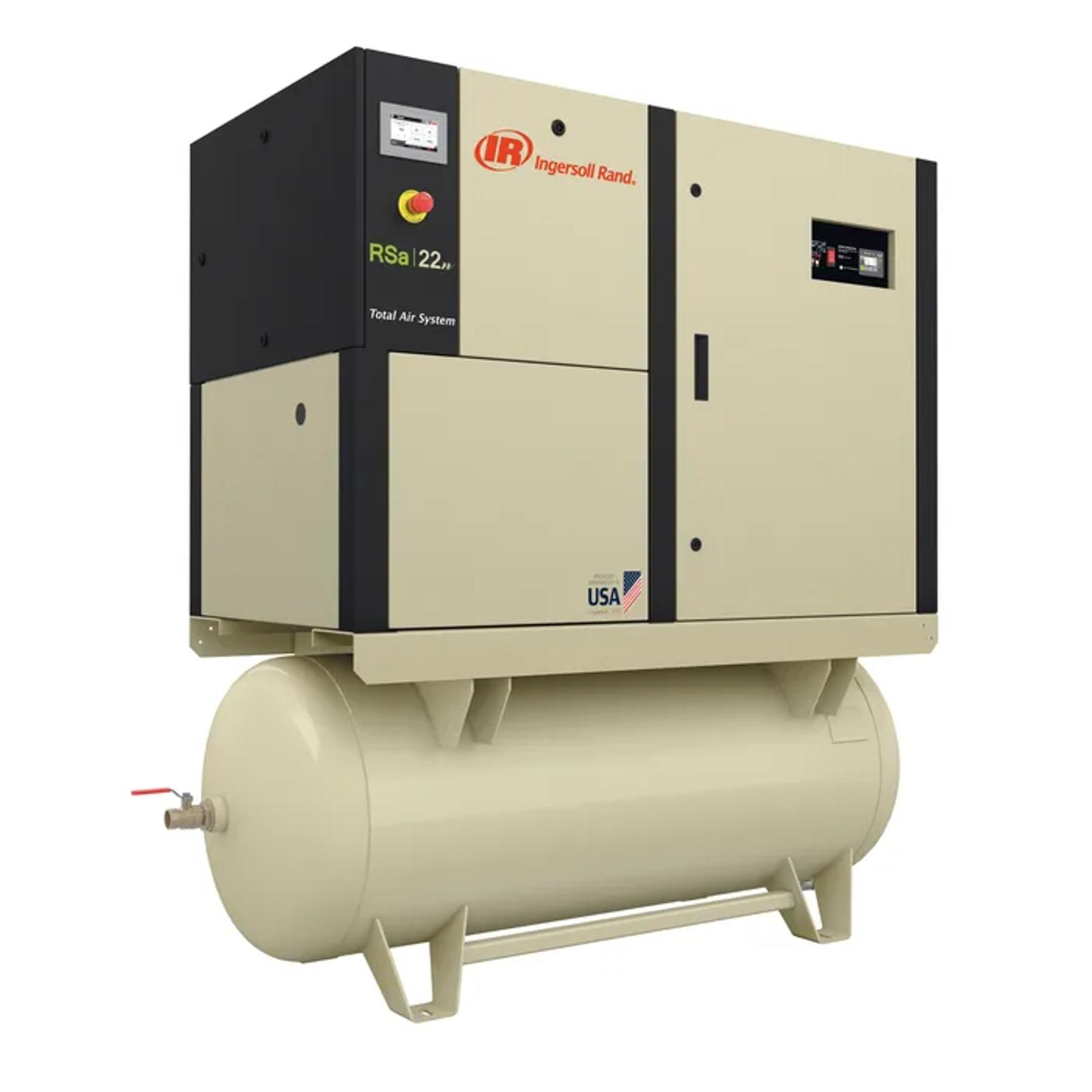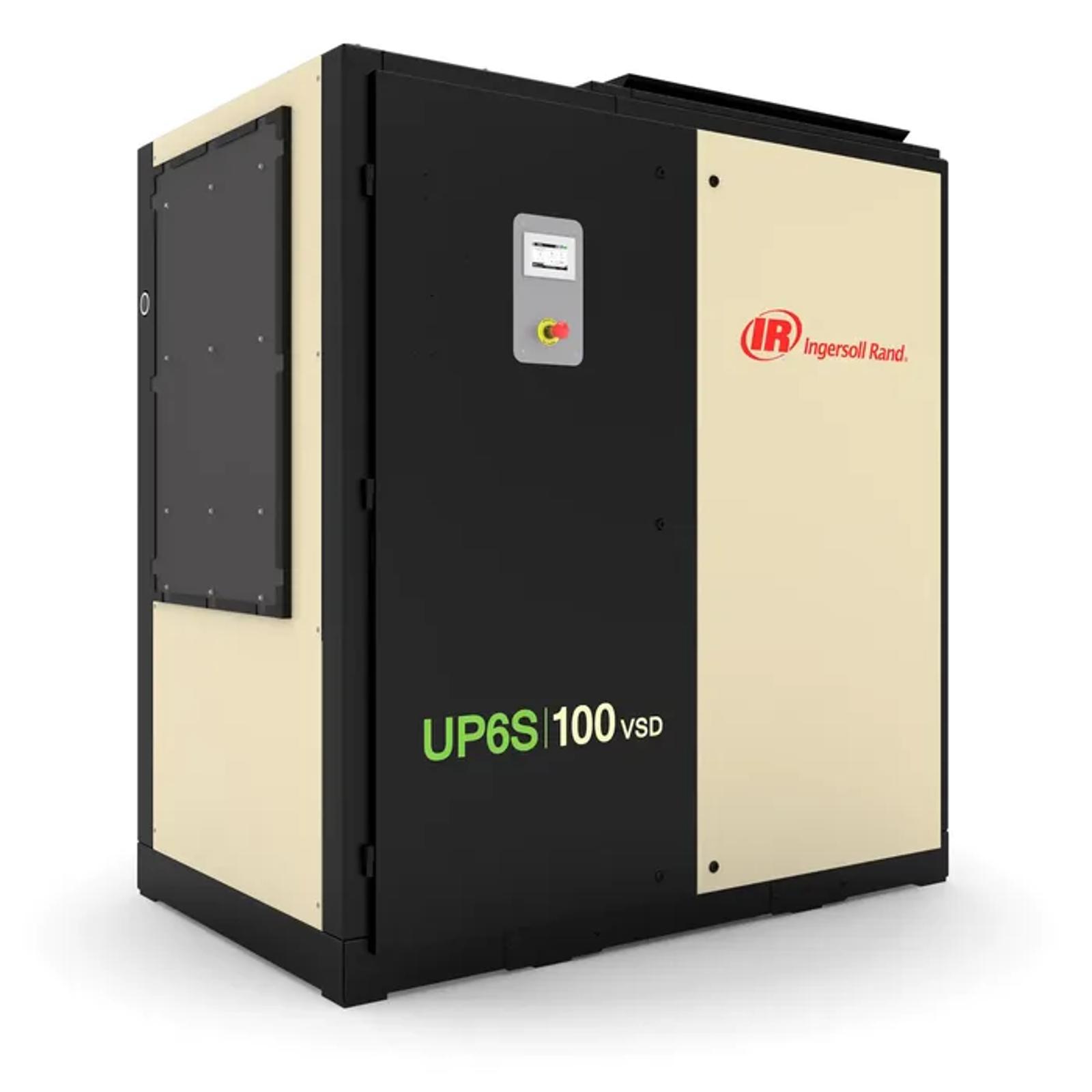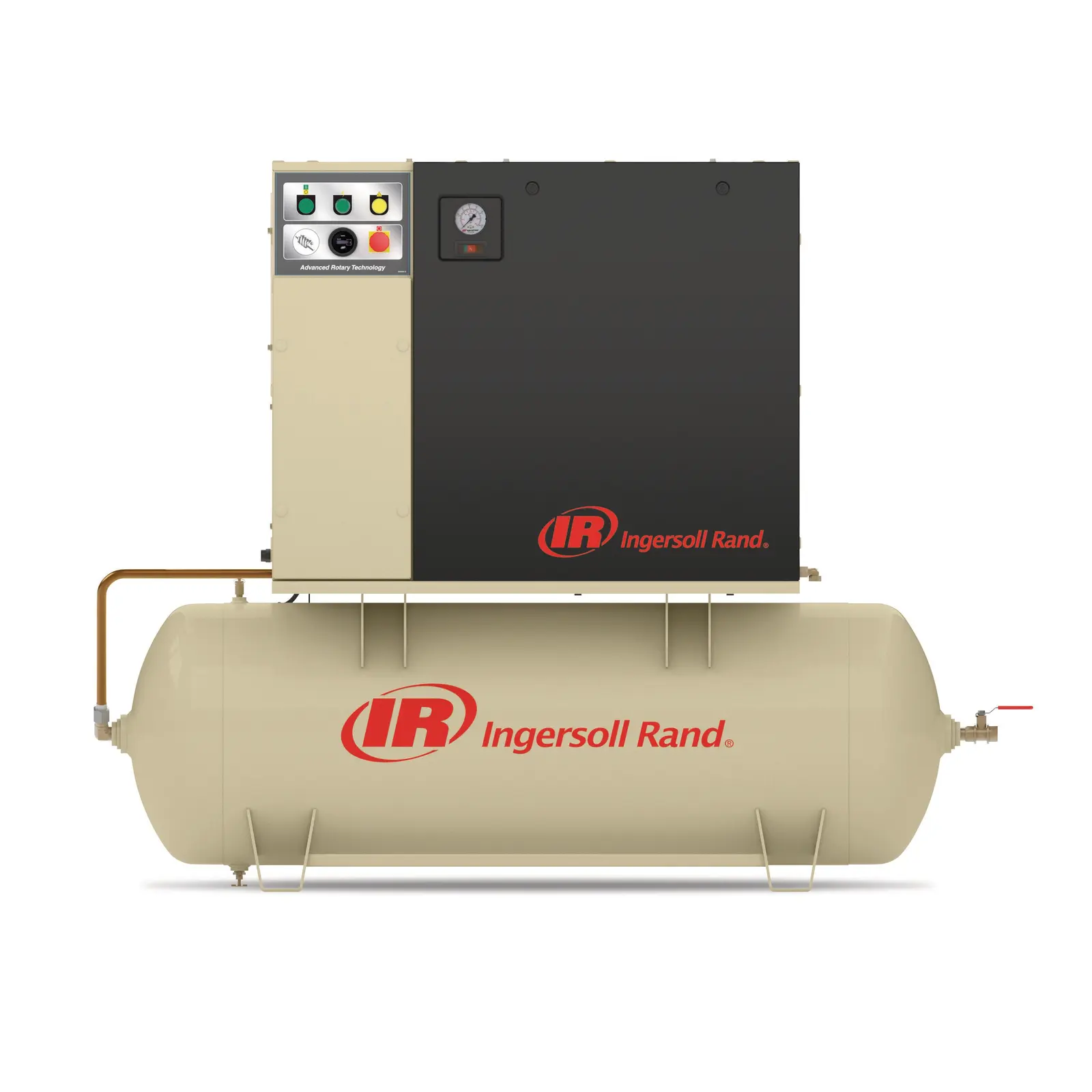
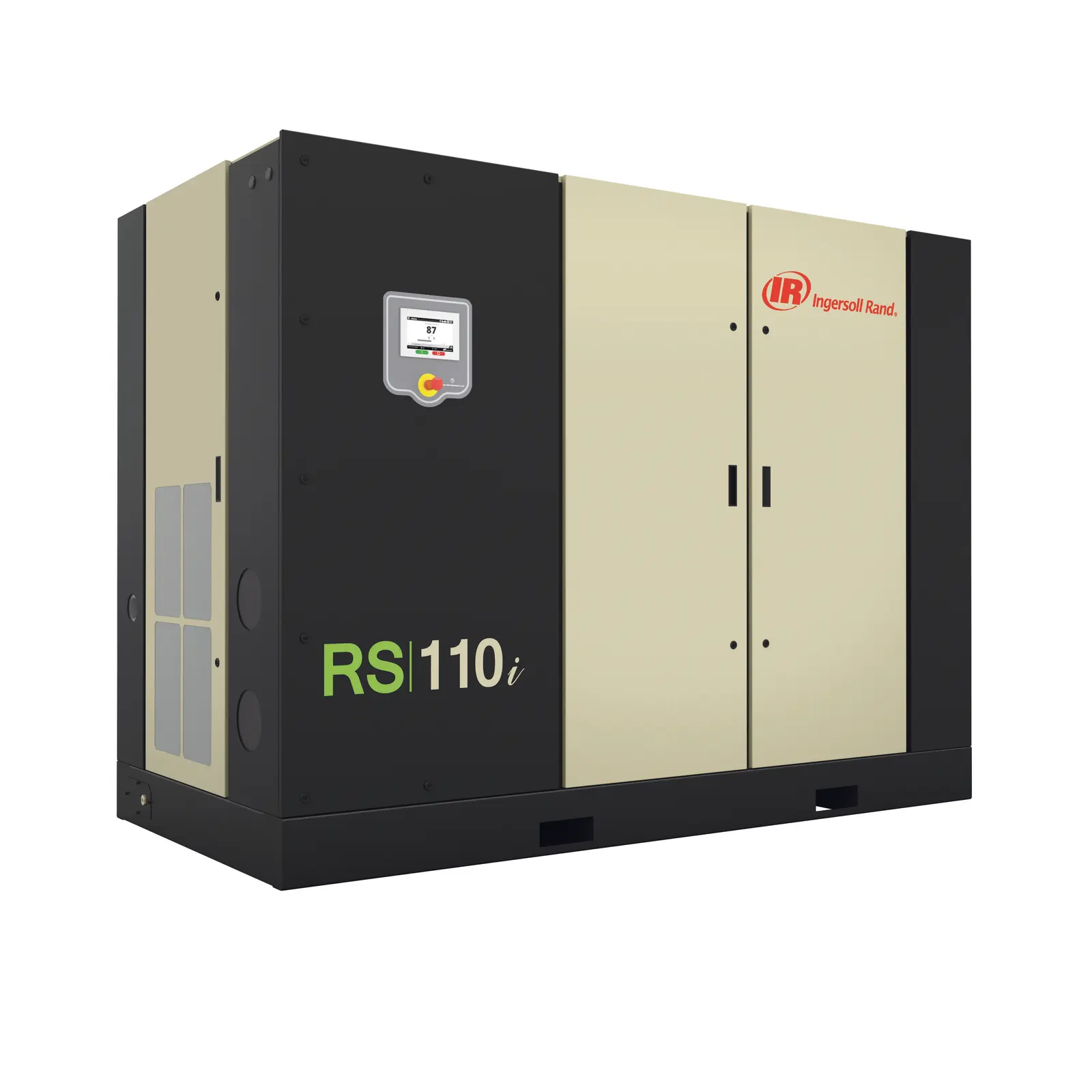
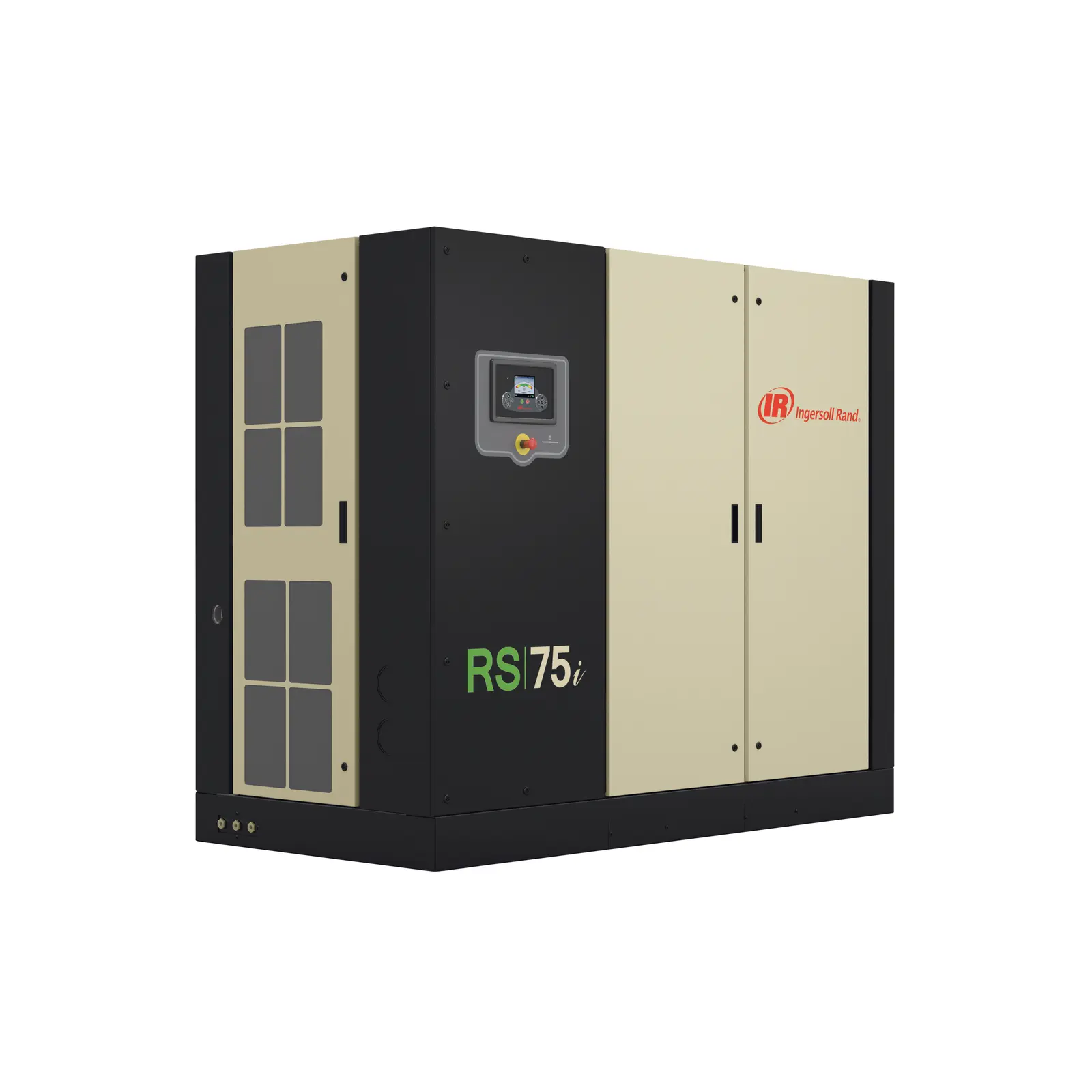
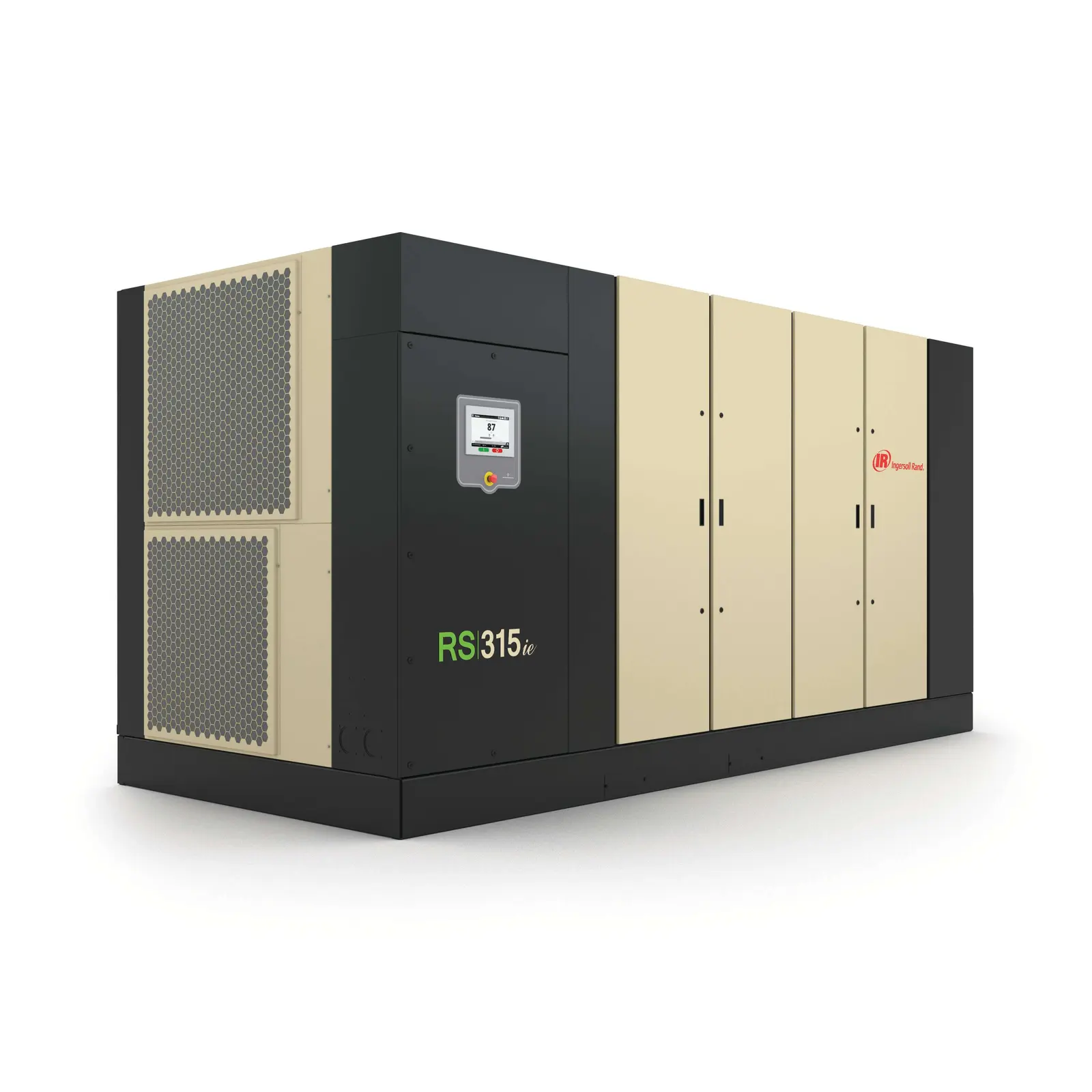
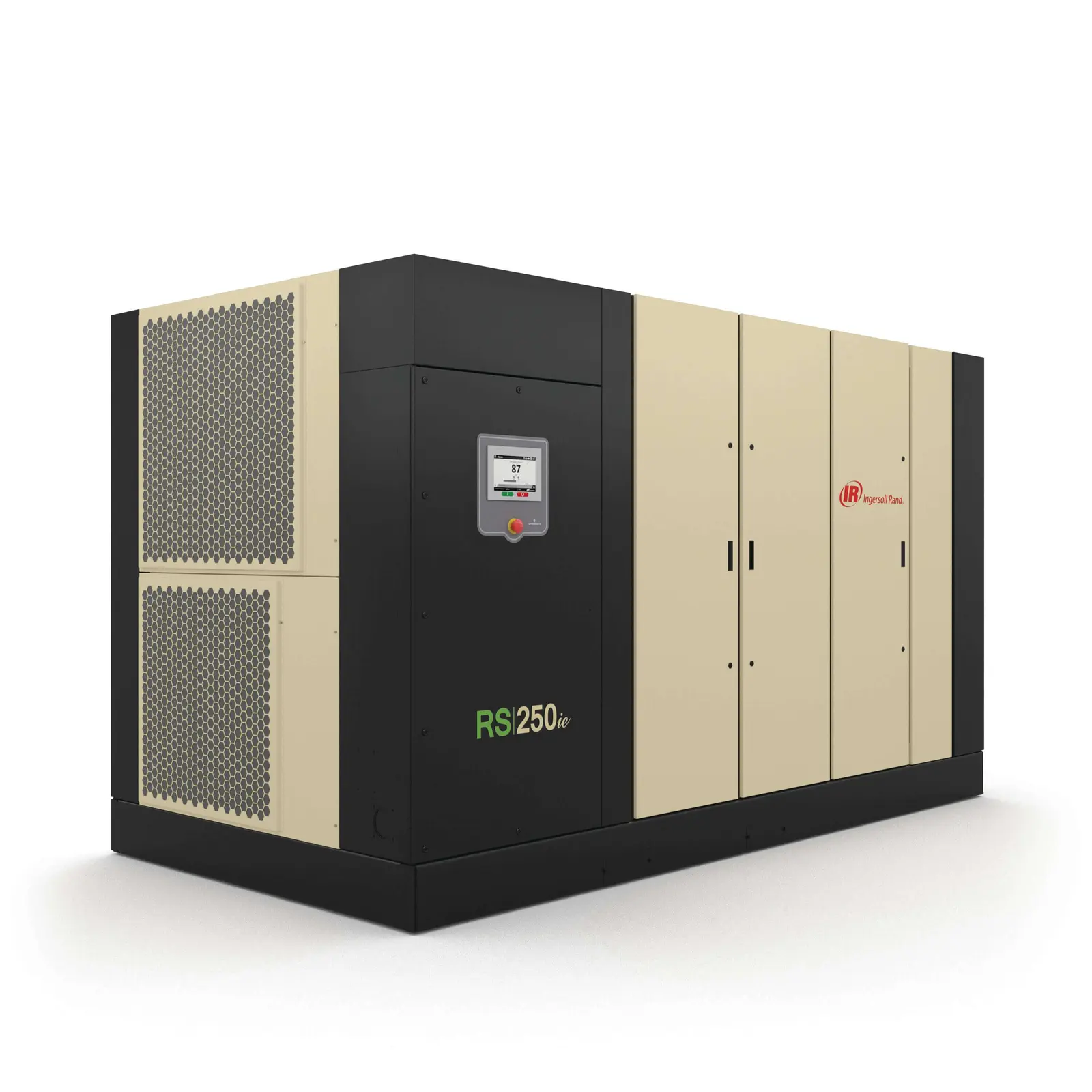
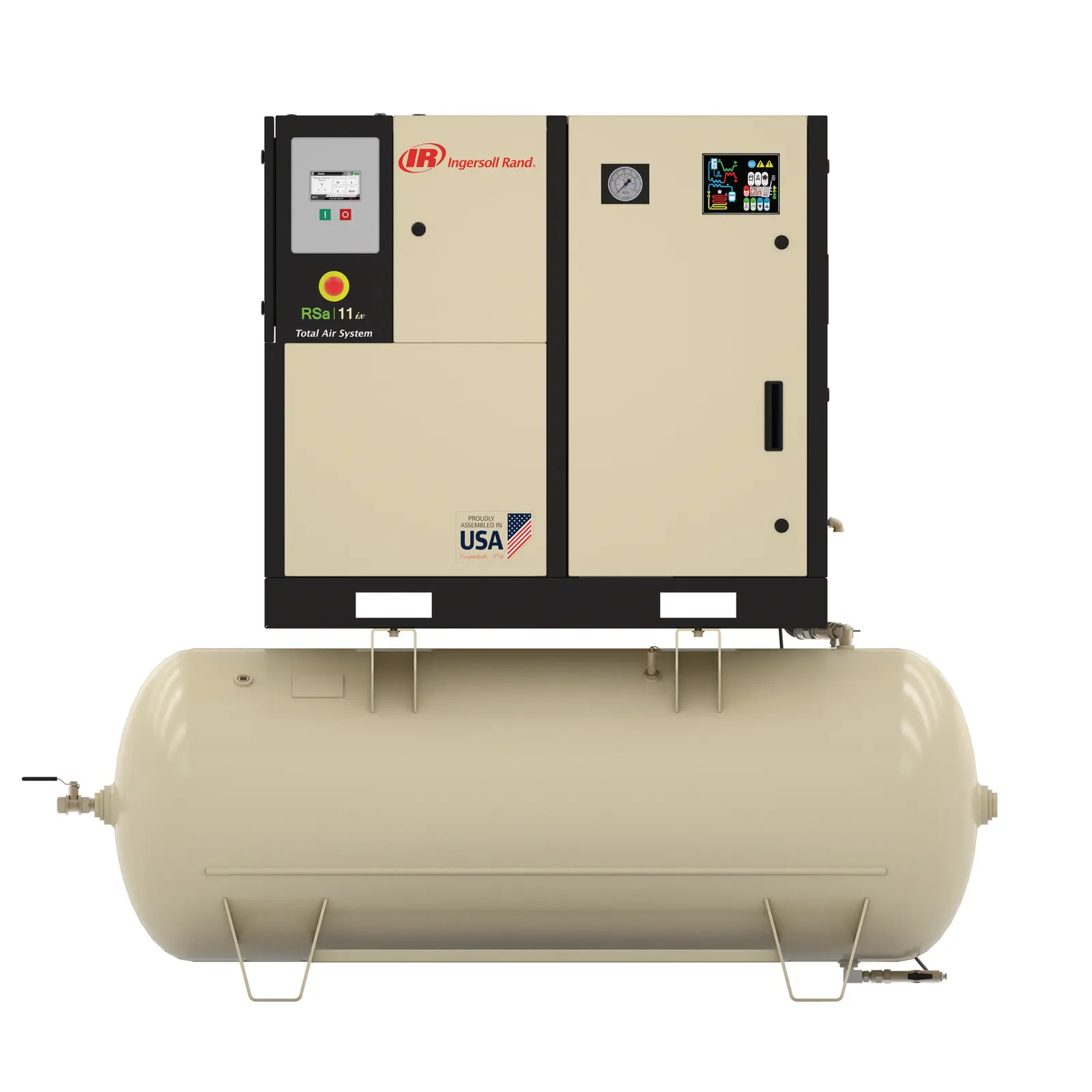
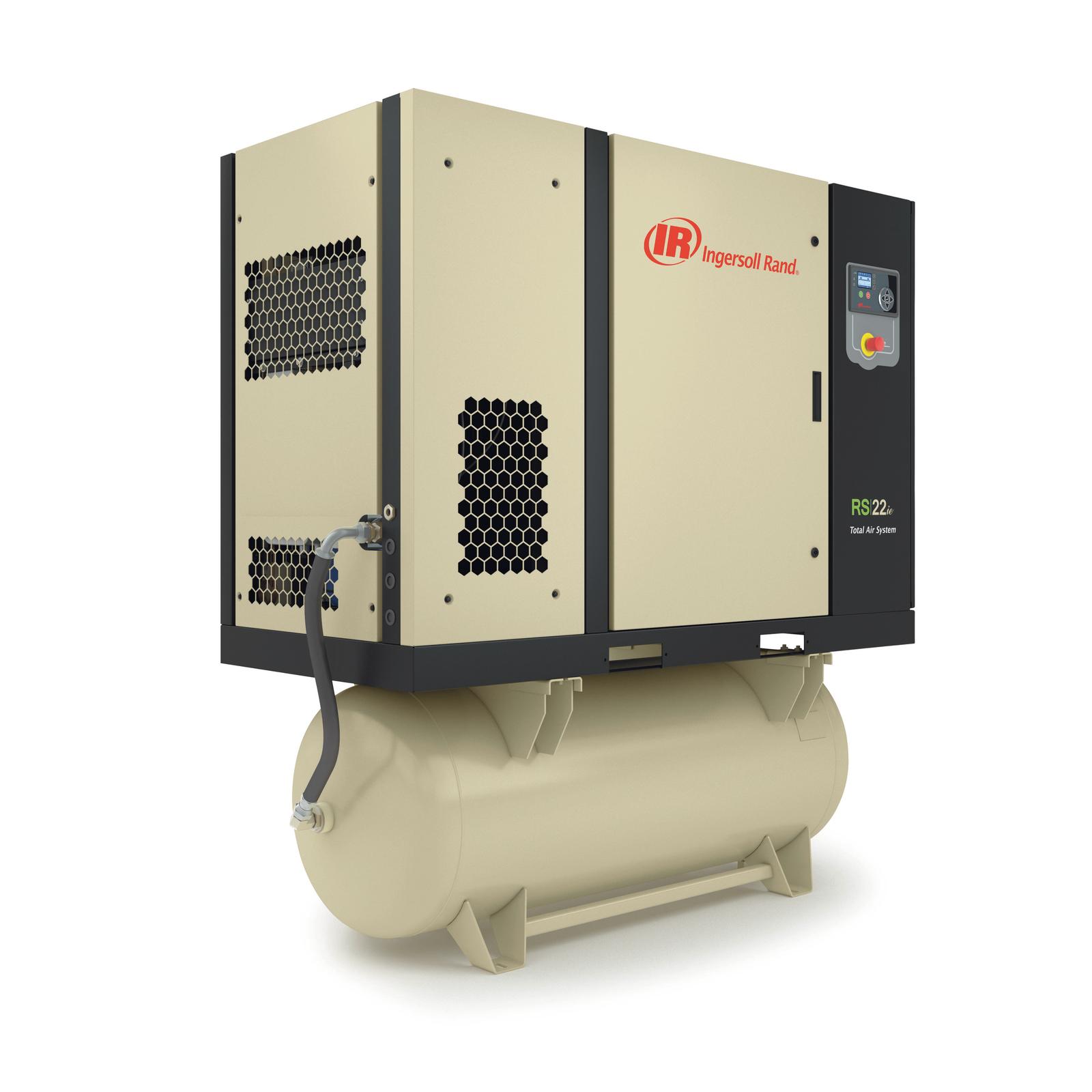
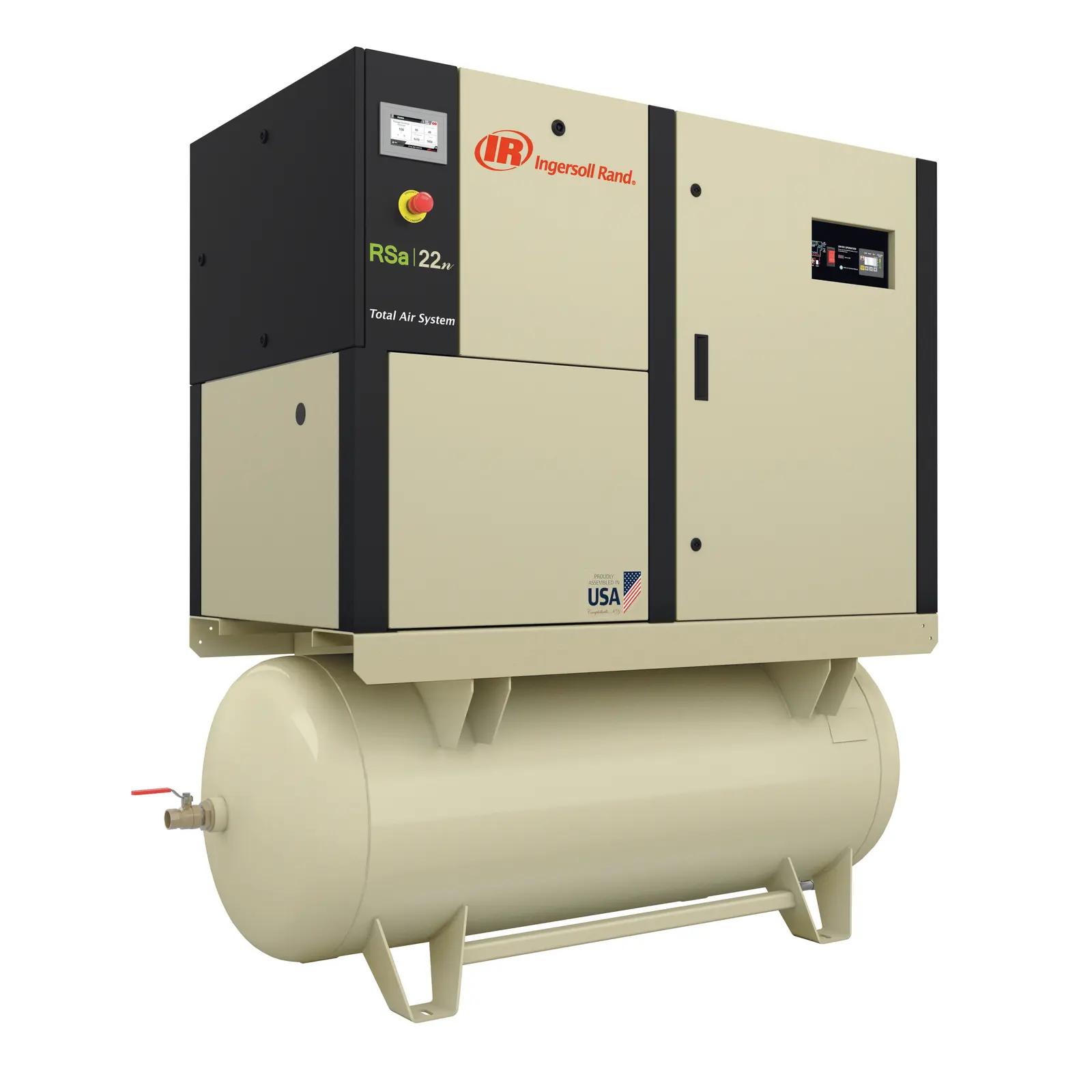
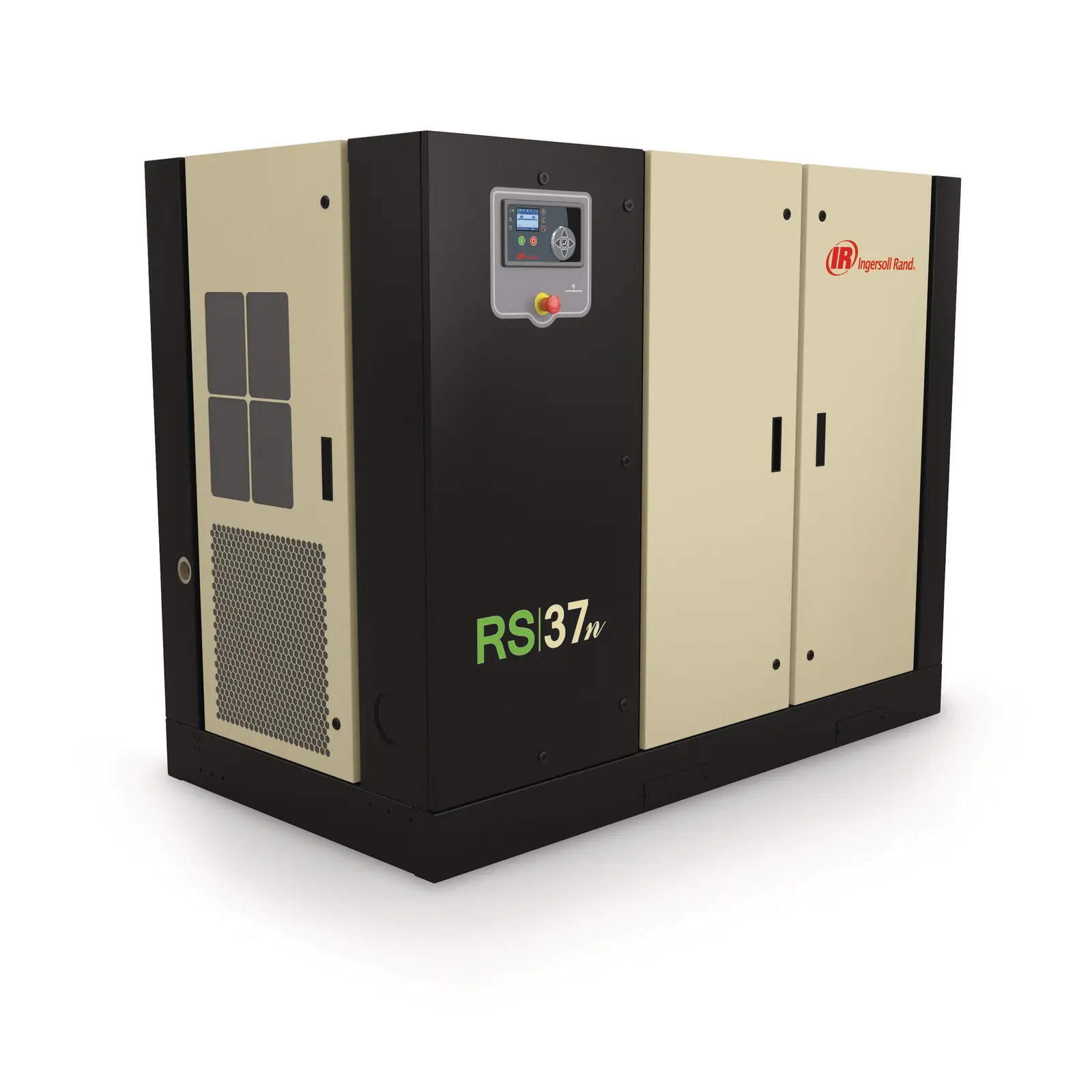
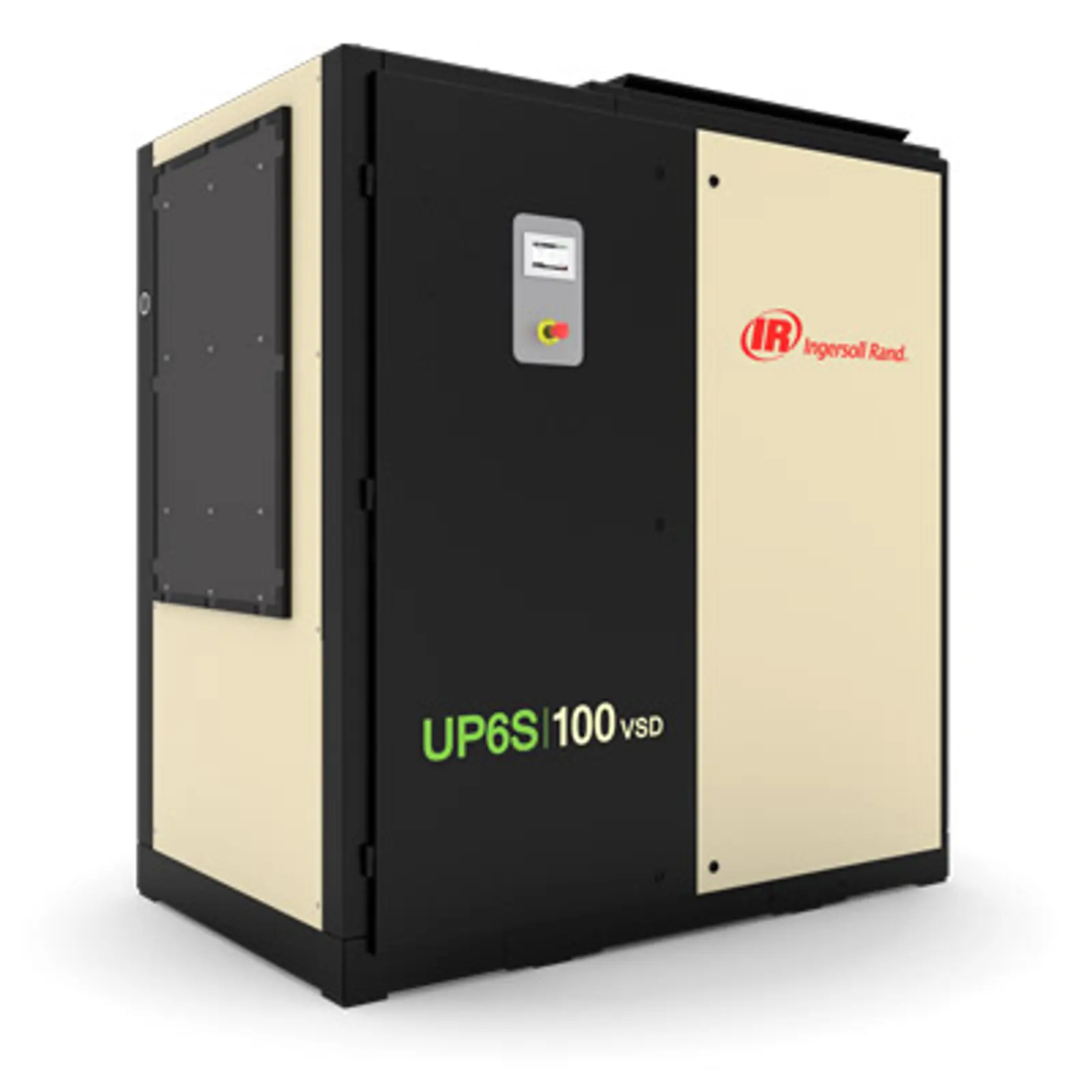
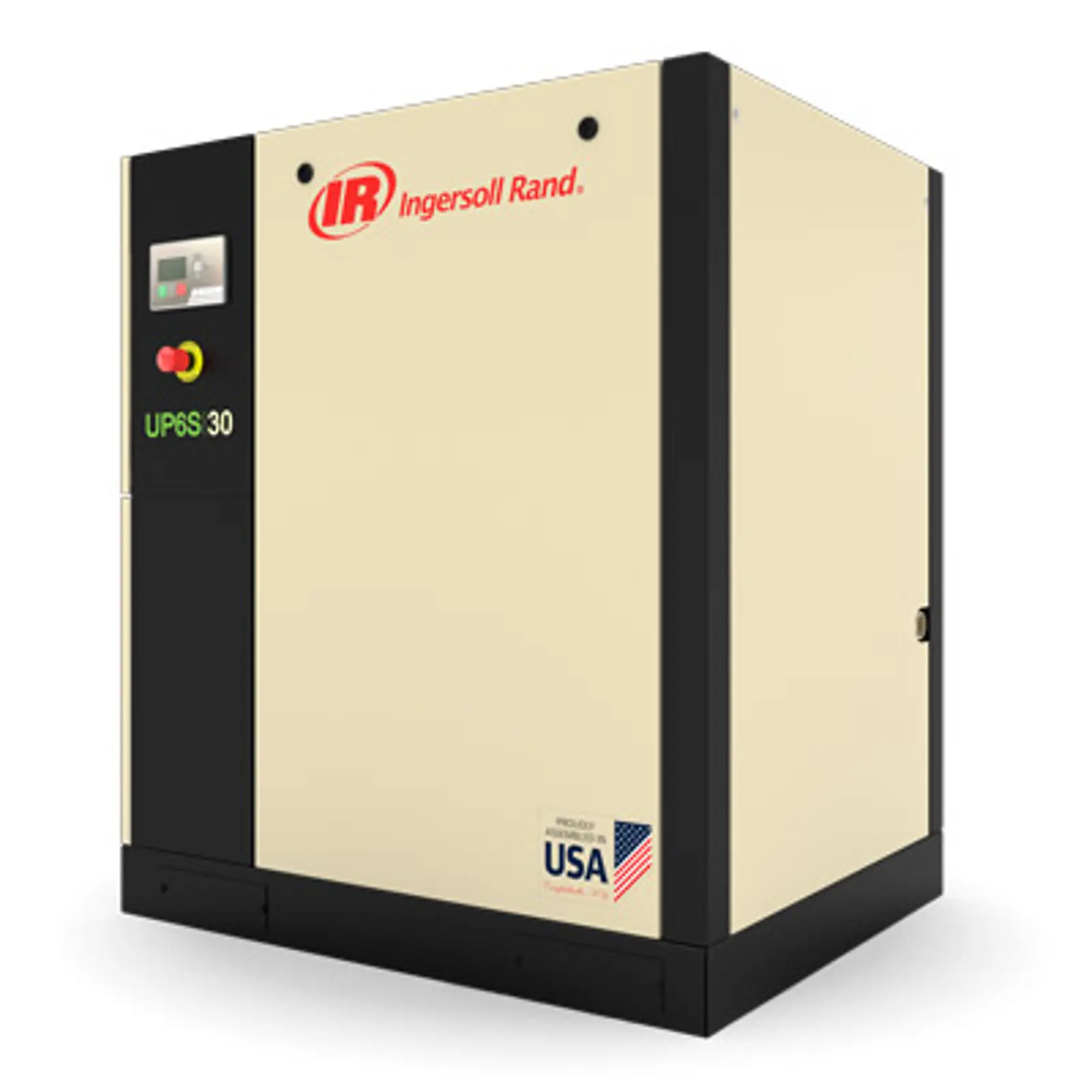
UP6 5-15 HP Oil-Flooded Rotary Screw Compressors

UP6 5-15 HP Oil-Flooded Rotary Screw Compressors

Ingersoll Rand's UP6 Series of oil-flooded rotary screw compressors provide an easy to use, compact complete air solution.
Learn more

What Is a Rotary Screw Air Compressor?

A rotary screw air compressor is a positive displacement compressor, which means it traps a set amount of air and mechanically squeezes it into a smaller space to raise the pressure before discharge. It uses two interlocking helical rotors, and as they rotate, air gets trapped and squeezed between the lobes to form compressed air.

Unlike a reciprocating compressor (which uses pistons and is better for intermittent demand uses), a rotary screw compressor is built for continuous operation, meaning it can run all day without regular stopping and cooling breaks. Rotary screw compressors are also generally quieter and often require less maintenance because they use fewer wear parts than piston compressors, such as valves, piston rings, and connecting rods.

Rotary screw compressors typically have a higher upfront cost than reciprocating air compressors, so they usually make the most sense when your facility needs dependable air for long stretches of production. These are commonly used in manufacturing and other industrial facilities where compressed air supports production equipment, pneumatic tools, conveying, packaging, material handling, and other essential processes.


Rotary Screw Air Compressor Features & Benefits

Duty cycle

Continuous or extended-duty operation

Displacement type

Positive displacement

Compression method

Two interlocking helical rotors compress air as they turn

Pulsation

Lower pulsation than piston-style compressors

Sound

Generally quieter than reciprocating compressors

Speed options

Fixed speed or variable speed drive

Operating environment

Can be applied in many facility and weather conditions when properly selected and installed

Energy efficiency

Strong efficiency potential, especially when sized and controlled for the demand profile

Best fit

Facilities with continuous or substantial compressed air demand

Common uses

Manufacturing, pneumatic tools, conveying, packaging, material handling, and other industrial processes


Fixed Speed vs. Variable Speed Rotary Screw Compressors: Which Is Right for Your Facility?

Fixed speed vs. variable speed control can affect the energy efficiency of your rotary screw air compressor. If your facility has steady air demand throughout the day, a properly sized fixed speed rotary screw compressor may be a good choice. But if your air demand varies by shift, process, or production schedule, a variable speed drive compressor may improve energy efficiency by adjusting output to match your actual demand.

Fixed speed Rotary Screw Air Compressors

A fixed speed compressor runs at a consistent motor speed while loaded. It is often a strong fit for facilities with stable, predictable air demand. A properly sized fixed speed compressor can be an efficient and straightforward choice when the required airflow remains relatively steady.

Variable Speed Drive Rotary Screw Air Compressors

A variable speed drive, or VSD, compressor adjusts motor speed to better match changing air demand. When production is busy, the compressor can deliver more air. When demand slows down, it can reduce output so the system isn't using more energy than needed.

If you aren't sure which option fits your facility, a compressed air assessment can measure actual demand and help determine whether fixed speed, variable speed drive, or a coordinated combination of compressors is the better approach.

Some facilities use both: a fixed speed compressor for steady, everyday air demand and a variable speed drive compressor to adjust for peaks, slowdowns, or changing production schedules.


What Size Rotary Screw Compressor Should I Buy?

The right rotary screw air compressor size depends on more than horsepower. Start with the airflow and pressure required by the equipment that may operate at the same time, then account for peak production periods, pressure drop, future expansion, and any treatment equipment in the compressed air system.

If you get a rotary screw compressor that's too small, it could struggle to maintain pressure during peak demand. That can affect connected equipment, slow production, and increase the risk of unplanned downtime when your operation needs compressed air most.

But you don't want to choose a rotary screw air compressor that's too large for your operation, either. Choosing the right size rotary screw air compressor helps your system run more efficiently and reliably. The goal is to match compressor capacity to your facility's real air demand—not just horsepower or the total rating of every connected tool.

Not sure what size you need? Contact an Ingersoll Rand compressed air expert to discuss an air assessment and system recommendation.

Oil-Flooded vs. Oil-Free Rotary Screw Air Compressors

Rotary screw air compressors are available in oil-flooded and oil-free designs. For many general industrial applications, oil-flooded compressors are a practical, efficient choice. Oil-free compressors are typically used when even a small risk of oil contamination could affect the final product, such as in food and beverage, pharmaceutical, electronics, or other sensitive manufacturing environments.

Oil-Flooded Rotary Screw Air Compressors

Oil-flooded rotary screw compressors use oil inside the airend during compression. As the rotors turn, the oil helps seal the small clearances between the rotors, absorb heat from compression, and transfer energy through the airend. After the air is compressed, the oil and air are separated, and the compressed air is cooled, filtered, and sent downstream for use.

Oil-Free Rotary Screw Air Compressors

Oil-free air compressors are designed so oil does not enter the compression chamber. Oil may still be used to lubricate bearings and gears, but those lubricated parts are isolated from the air being compressed.

Ingersoll Rand oil-free rotary screw compressors are certified to ISO 8573-1:2010 Class 0 standards for 100% oil-free air, making them a fit for sensitive applications in industries such as pharmaceutical, food and beverage, electronics, and textiles. 


Oil-Flooded

Oil-Free

How it works

Uses oil in the airend to help seal, cool, lubricate, and support compression before the oil is separated from the air.

Keeps oil out of the compression chamber. Lubricated components may still exist, but they’re isolated from the air being compressed.

Cost

Lower upfront cost

Generally more expensive upfront because of the design, materials, and air-quality requirements involved.

Best fit

General manufacturing and industrial environments

Sensitive applications such as food and beverage, pharmaceutical, electronics, textiles, and other processes where oil contamination could affect the final product.


Find the Right Rotary Screw Air Compressor for Your Facility

You need compressed air that keeps up with your operation, not an air compressor that slows you down. With more than 160 years of experience, Ingersoll Rand can help you compare your options and choose a rotary screw air compressor that fits your facility, demand needs, and long-term goals. Explore the product lines below:

Next Generation R-Series

Oil-flooded rotary screw compressors with a rugged airend, integrated V-Shield technology to help reduce leak points, and service access designed to make maintenance easier.

Oil flooded Next Generation R-Series

UP6 Series

Value-focused contact-cooled compressors for facilities that need reliable performance, simple operation, and efficient compressed air.

Oil flooded UP6 Series

Frequently Asked Questions About Rotary Screw Air Compressors

A rotary screw air compressor works by pulling air into the airend, trapping it between two rotating helical rotors, and squeezing that air into a smaller space until the pressure increases. In oil-flooded models, oil helps cool, seal, and lubricate the compression process before it is separated from the compressed air. Oil-free models use a different airend design when oil cannot enter the compression process.