Powering Decarbonization with Biogas and Biomethane

As industries accelerate their transition to net-zero emissions, biomethane is emerging as a sustainable, carbon-neutral alternative to fossil natural gas across various types of renewable energy in the energy mix. By converting organic waste into biogas, biogas and biomethane facilities help reduce greenhouse gas emissions, support circular economy initiatives, and enhance energy security.

Ingersoll Rand enables this transition with end-to-end industrial gas compression, blower and vacuum, gas treatment, and pumps that support every stage of the biogas-to-biomethane value chain. From anaerobic digestion and gas clean-up to upgrading, compression, storage, and grid injection, our technologies help producers maximize renewable gas yield, improve plant efficiency, and reduce lifecycle emissions.

With reliable, energy-efficient solutions designed for demanding operating environments, Ingersoll Rand helps customers transform waste into renewable energy, decarbonize operations, and accelerate the shift from fossil fuels to a more sustainable future.

Biogas to Biomethane Value Chain

To load this content, approve your cookie preferences and allow the required cookies.
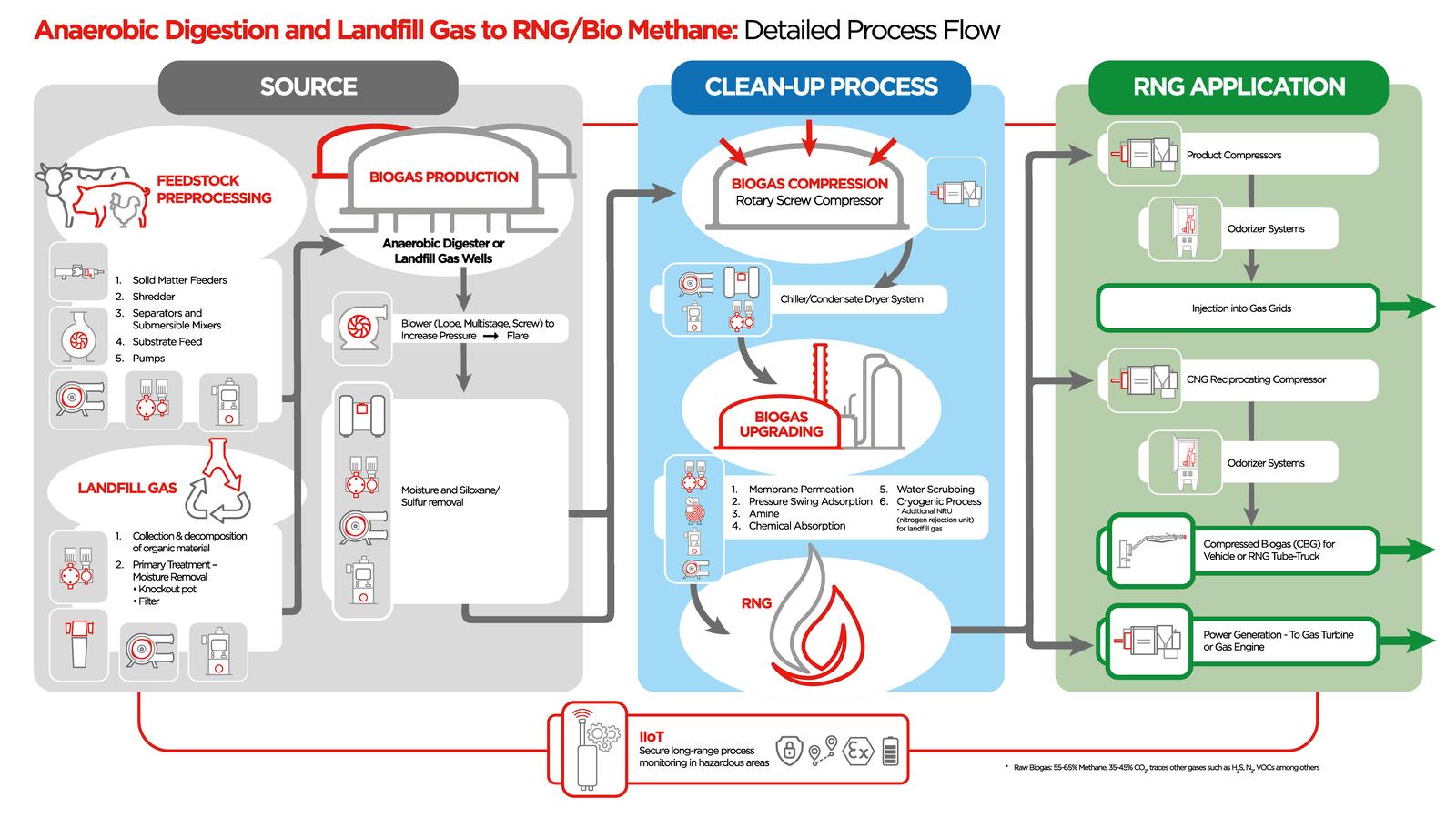
Technologies for Biogas and Biomethane Applications

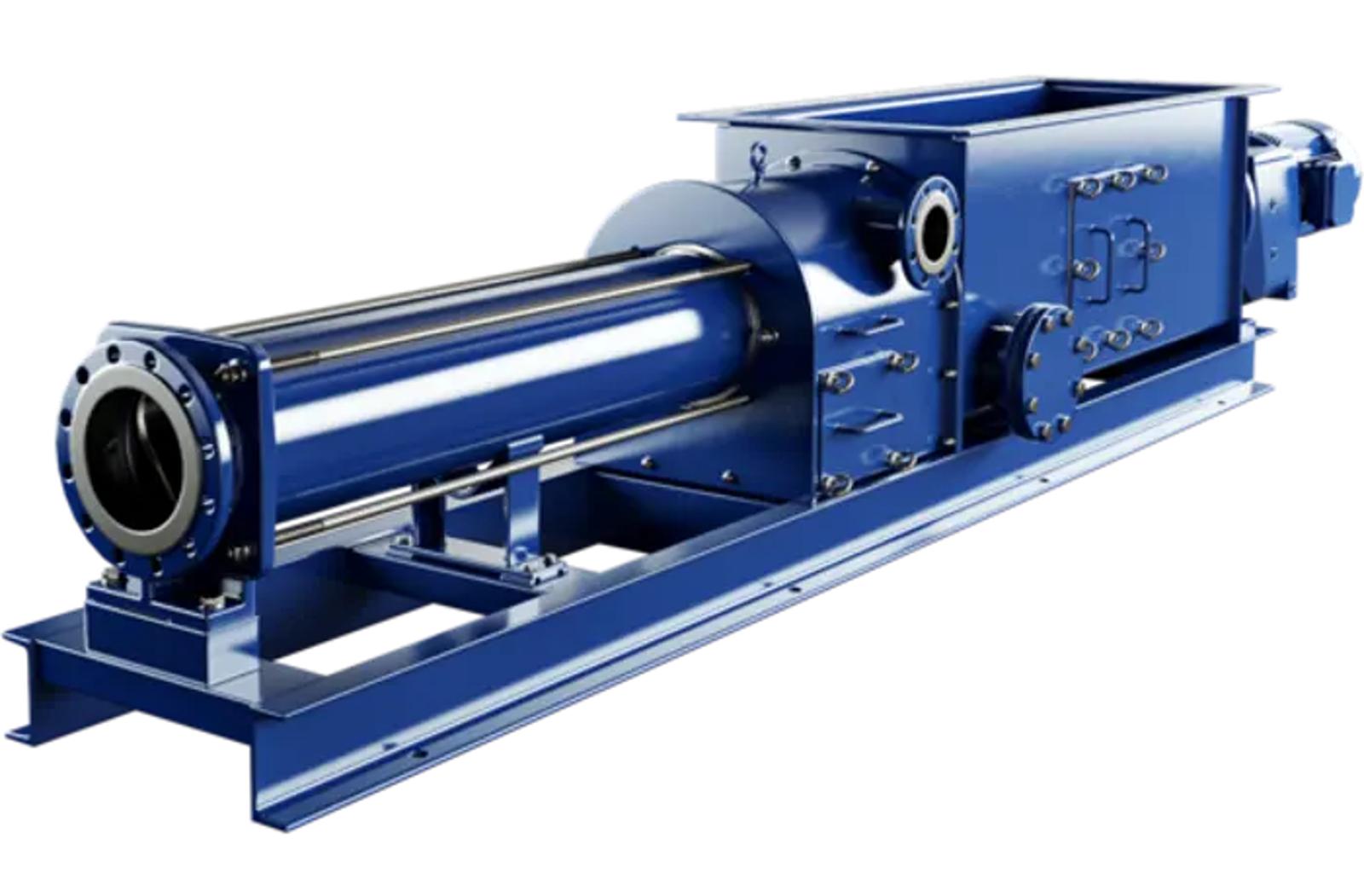
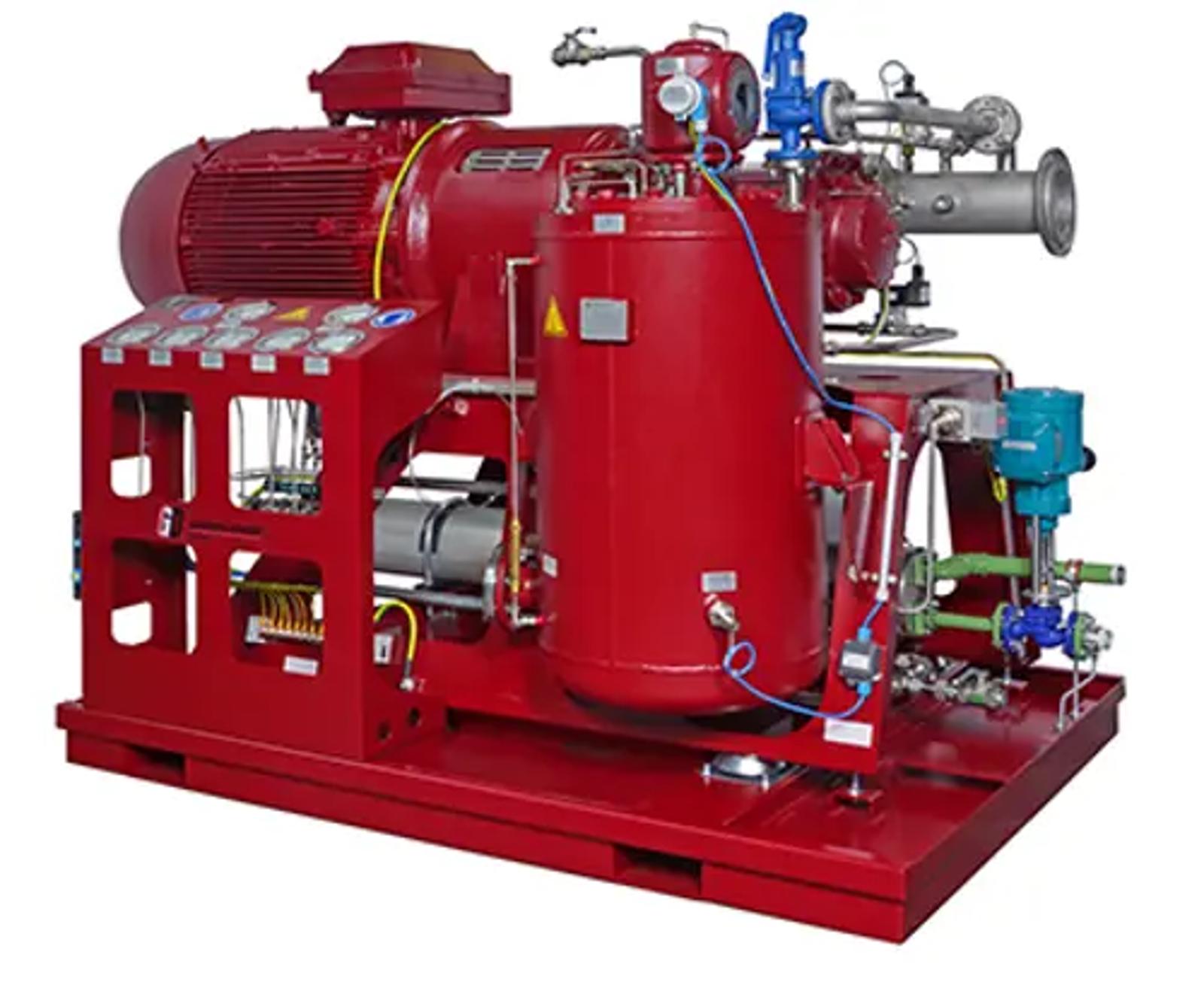
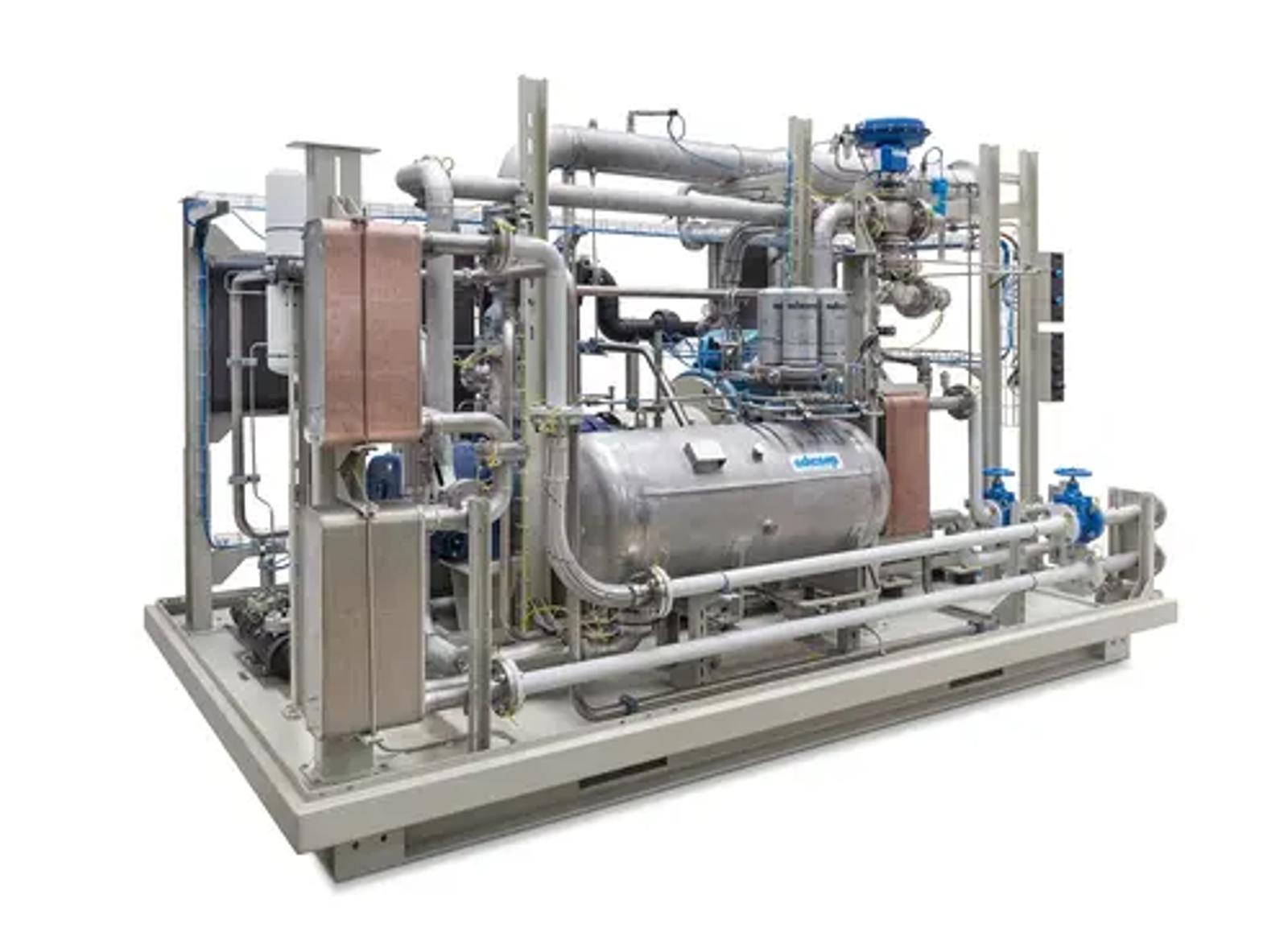
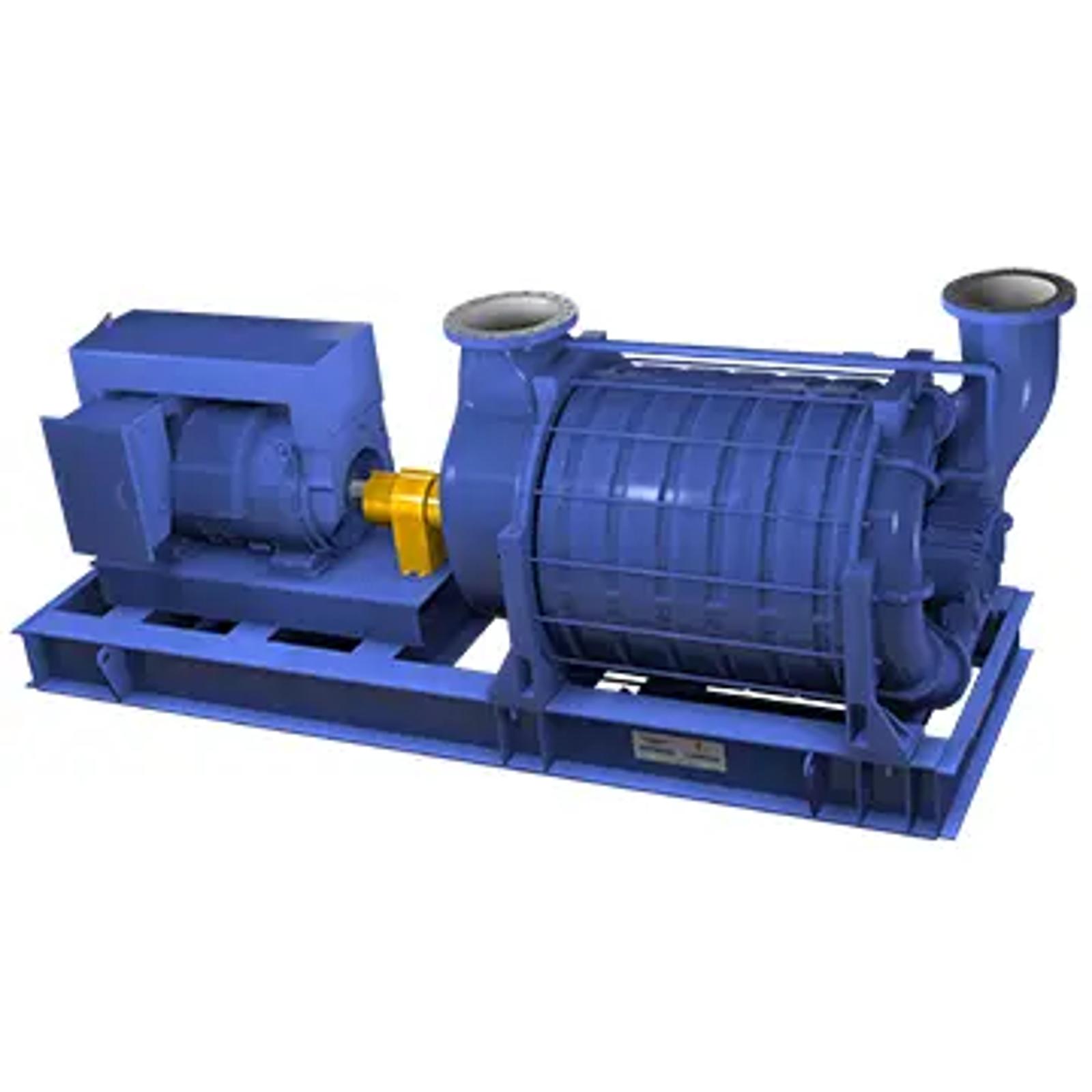
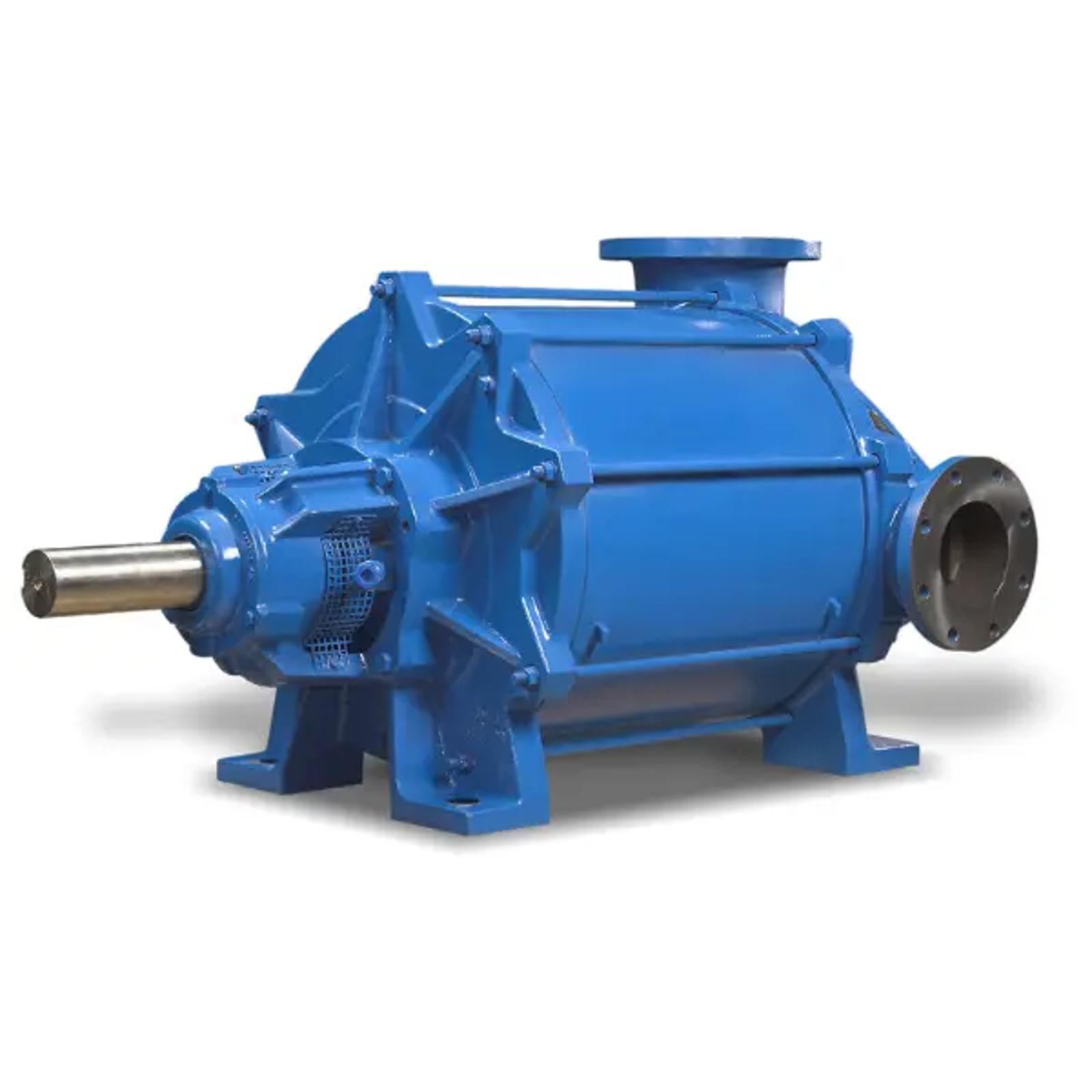
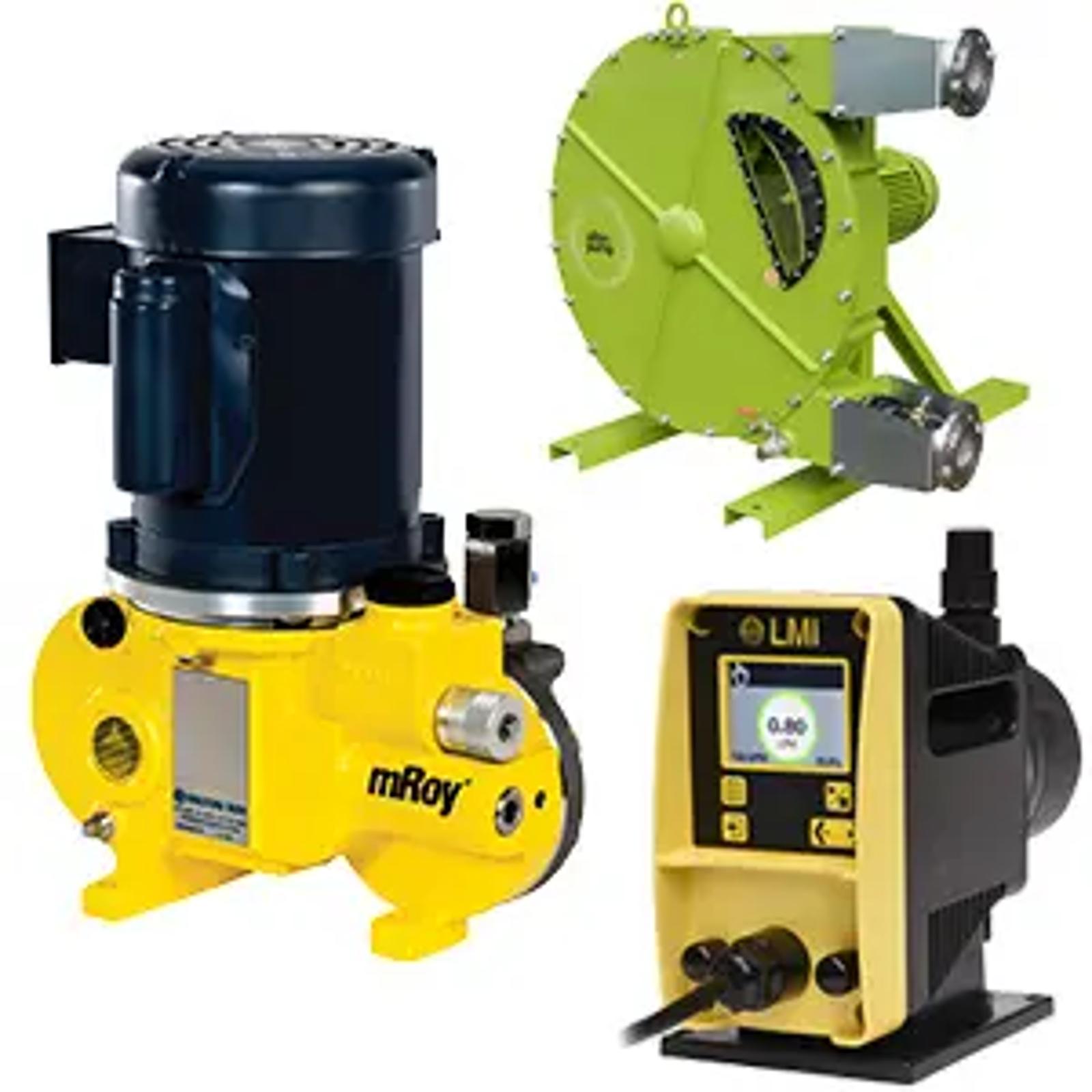
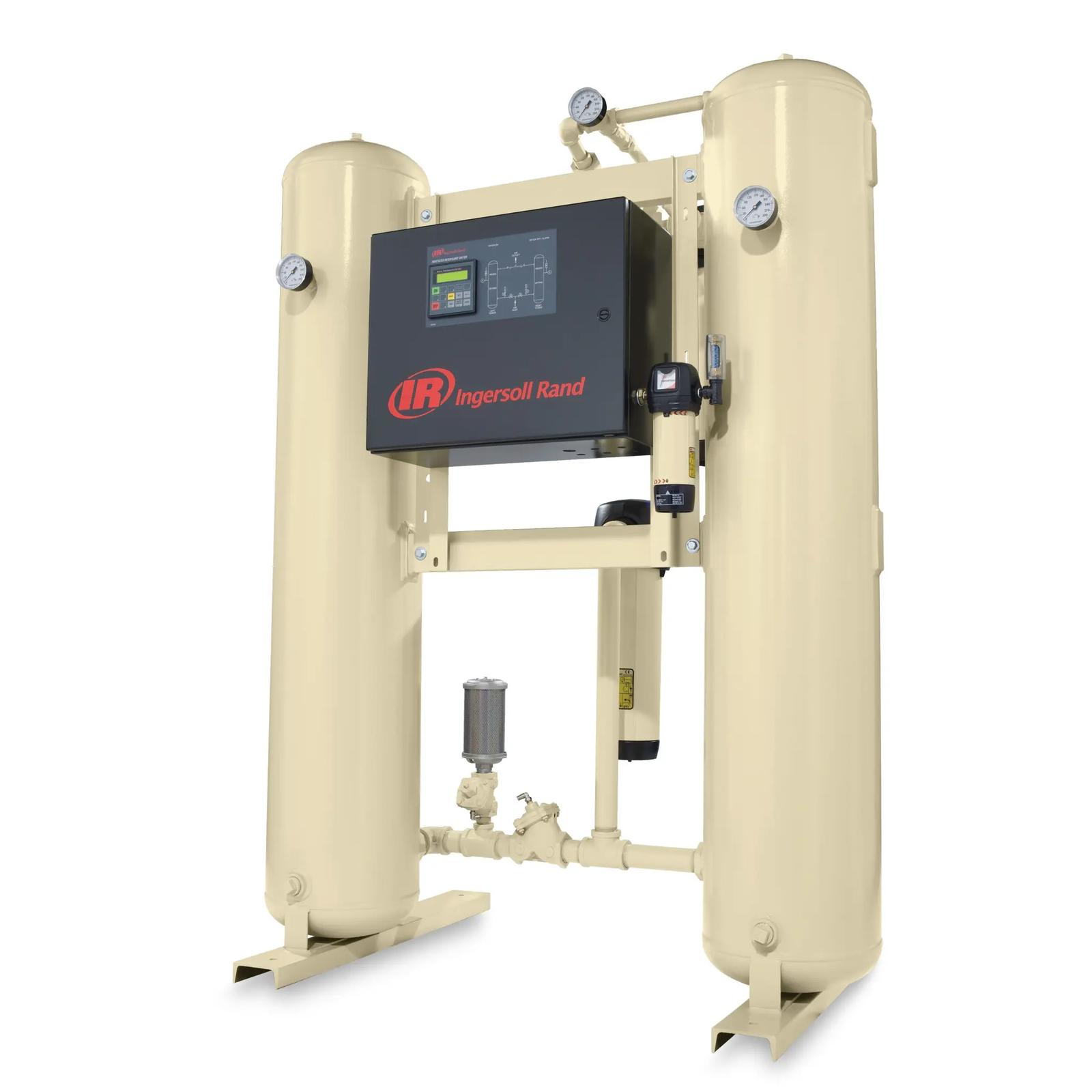
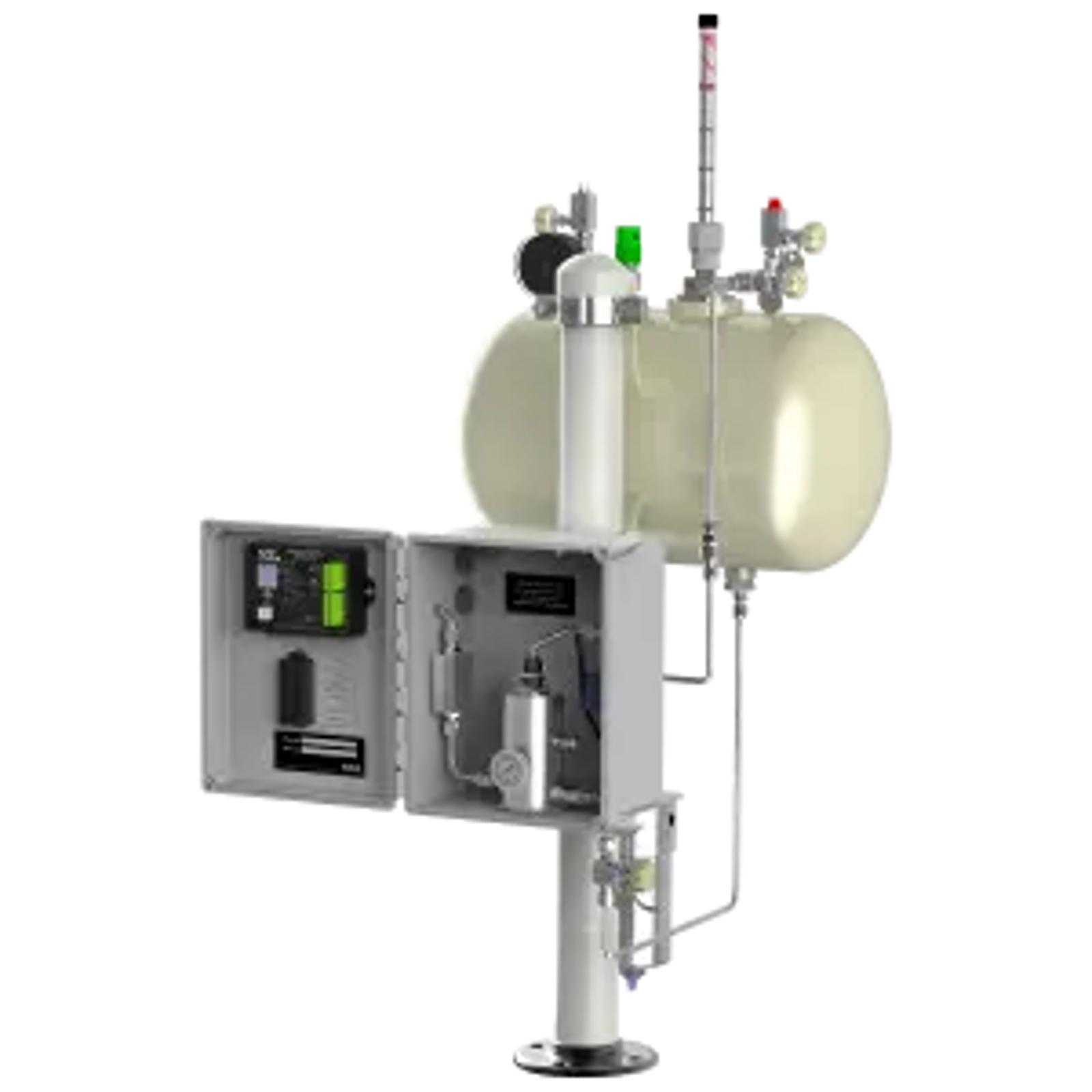
Our solutions power every stage of the biogas-to-biomethane journey with pumps, blowers, compressors, vacuum and monitoring solutions for gas collection, compression, upgrading, and RNG distribution, helping convert waste into low-carbon renewable fuel.

IRP Industry Photo Guide to generate high quality rng

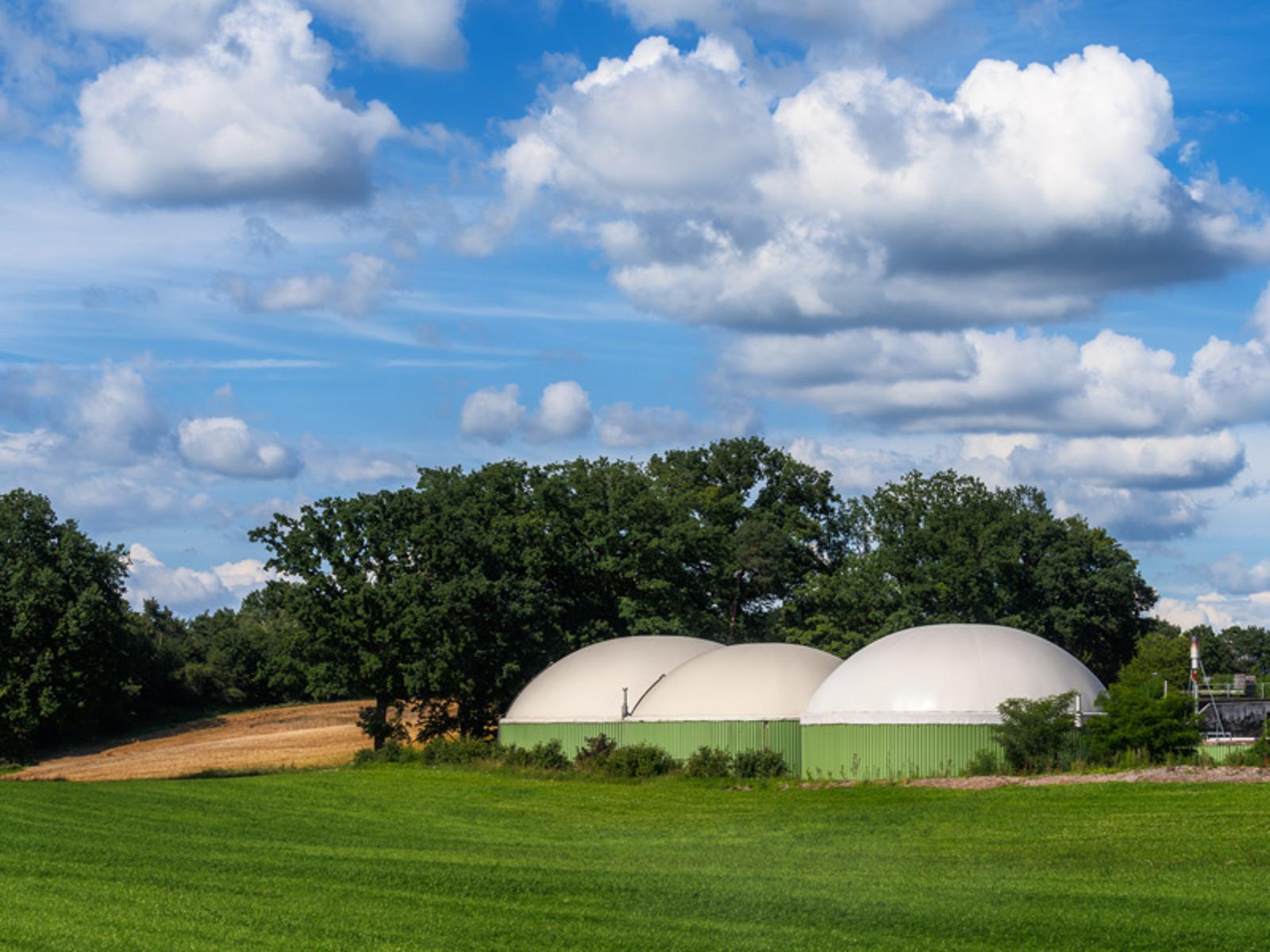
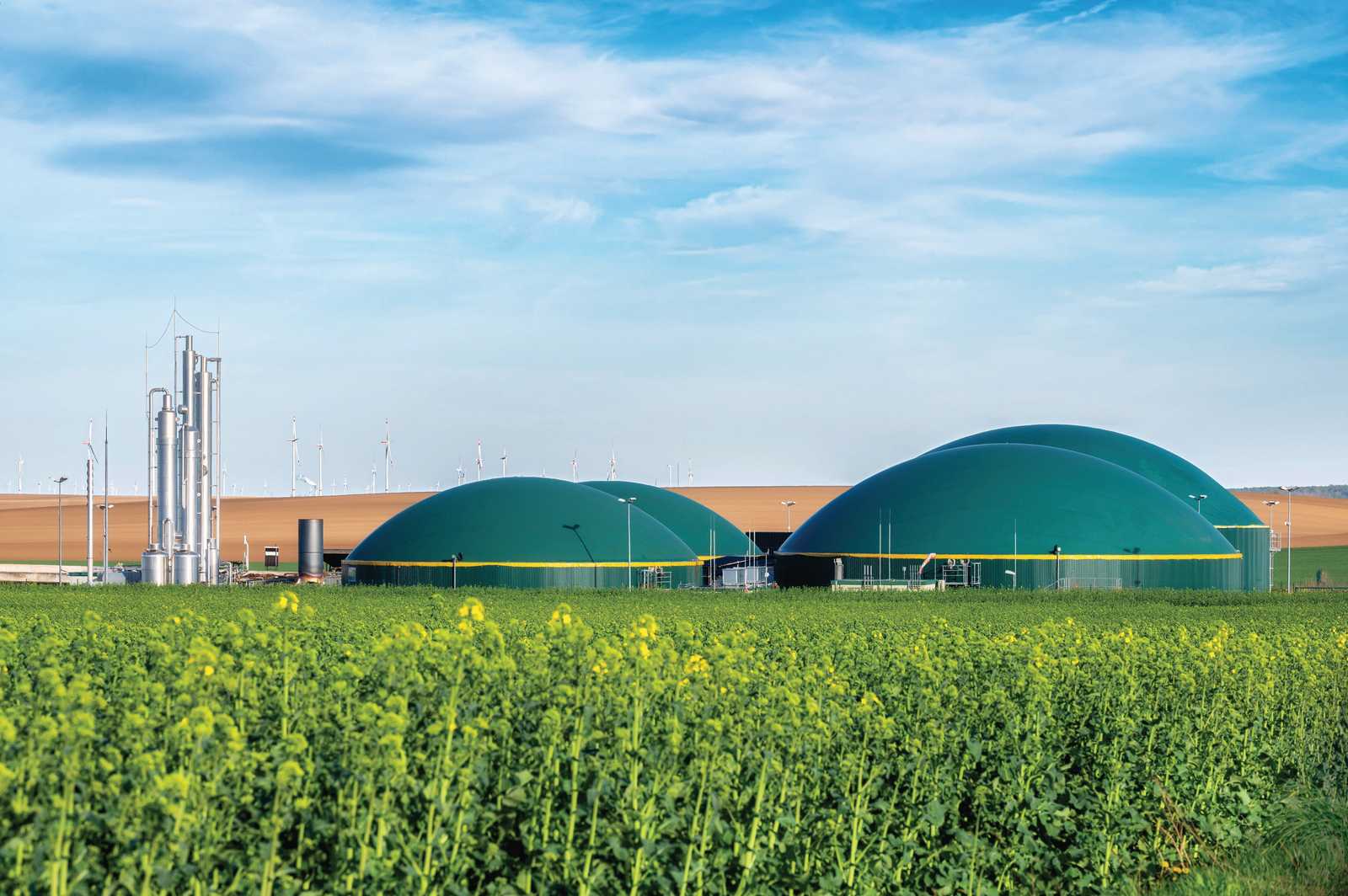
Biogas production converts organic waste into renewable energy through anaerobic digestion (AD). In this oxygen-free process, microorganisms break down materials such as agricultural waste, manure, food waste, wastewater biosolids, and sewage within sealed digesters, producing biogas primarily composed of methane and carbon dioxide.

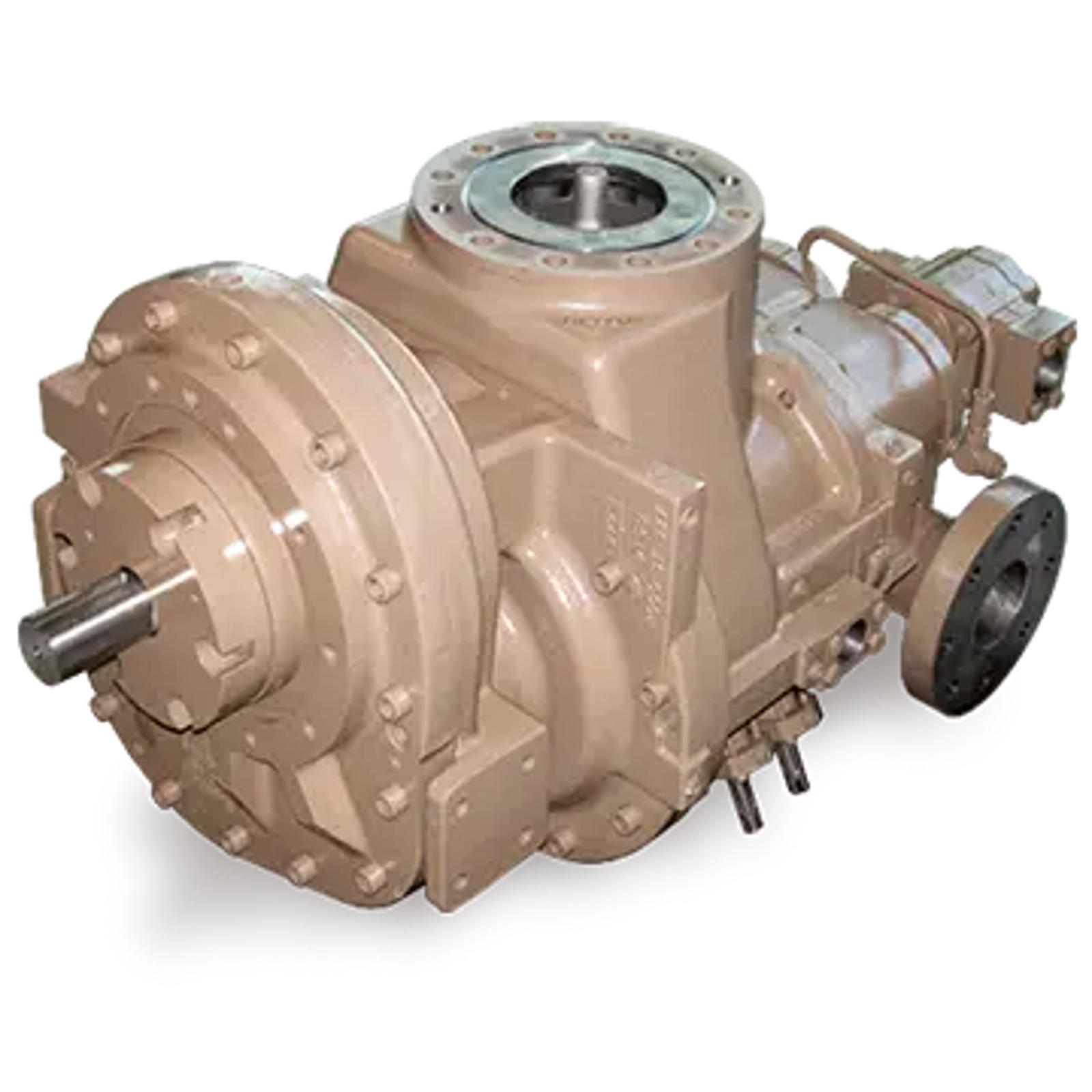
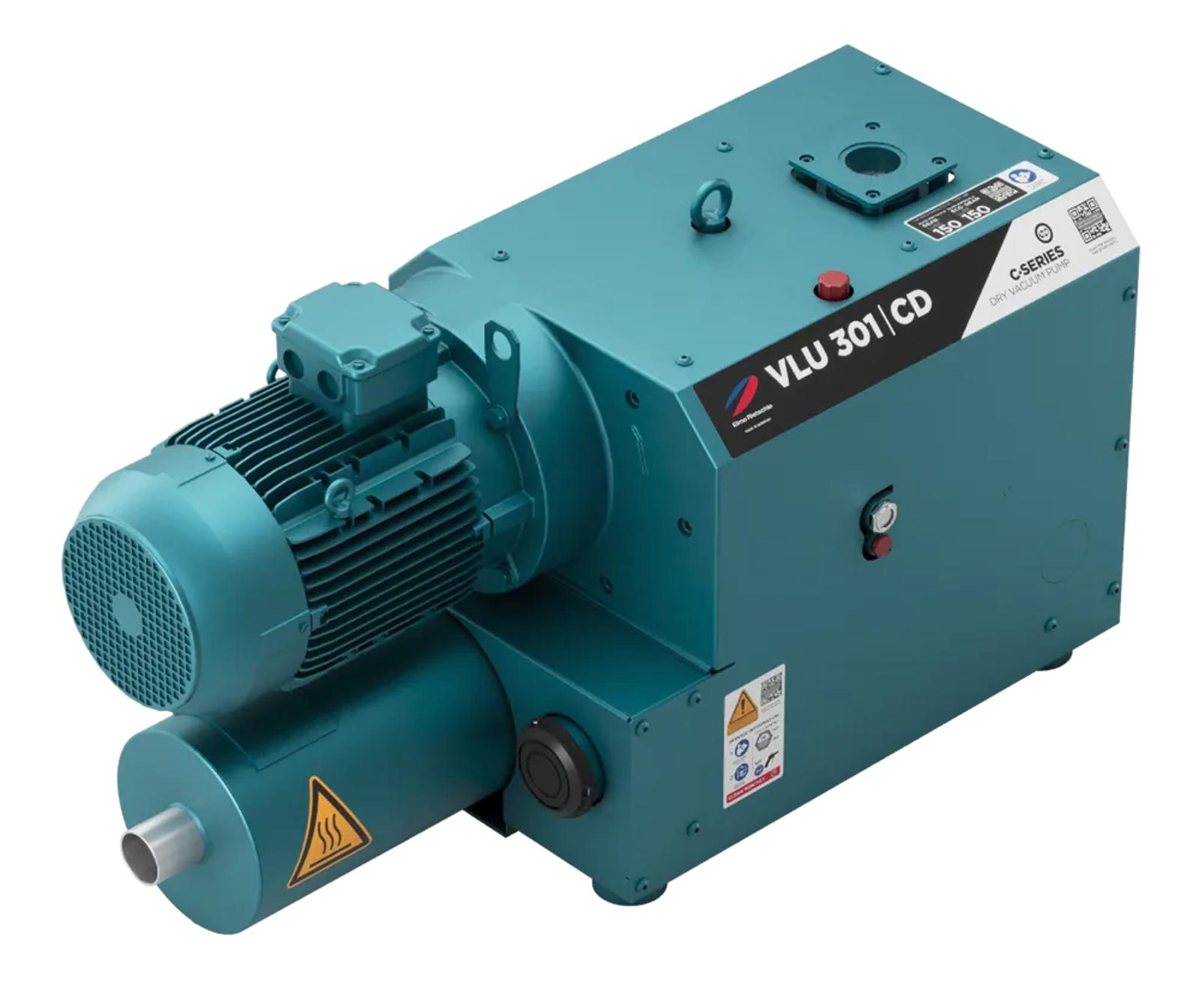
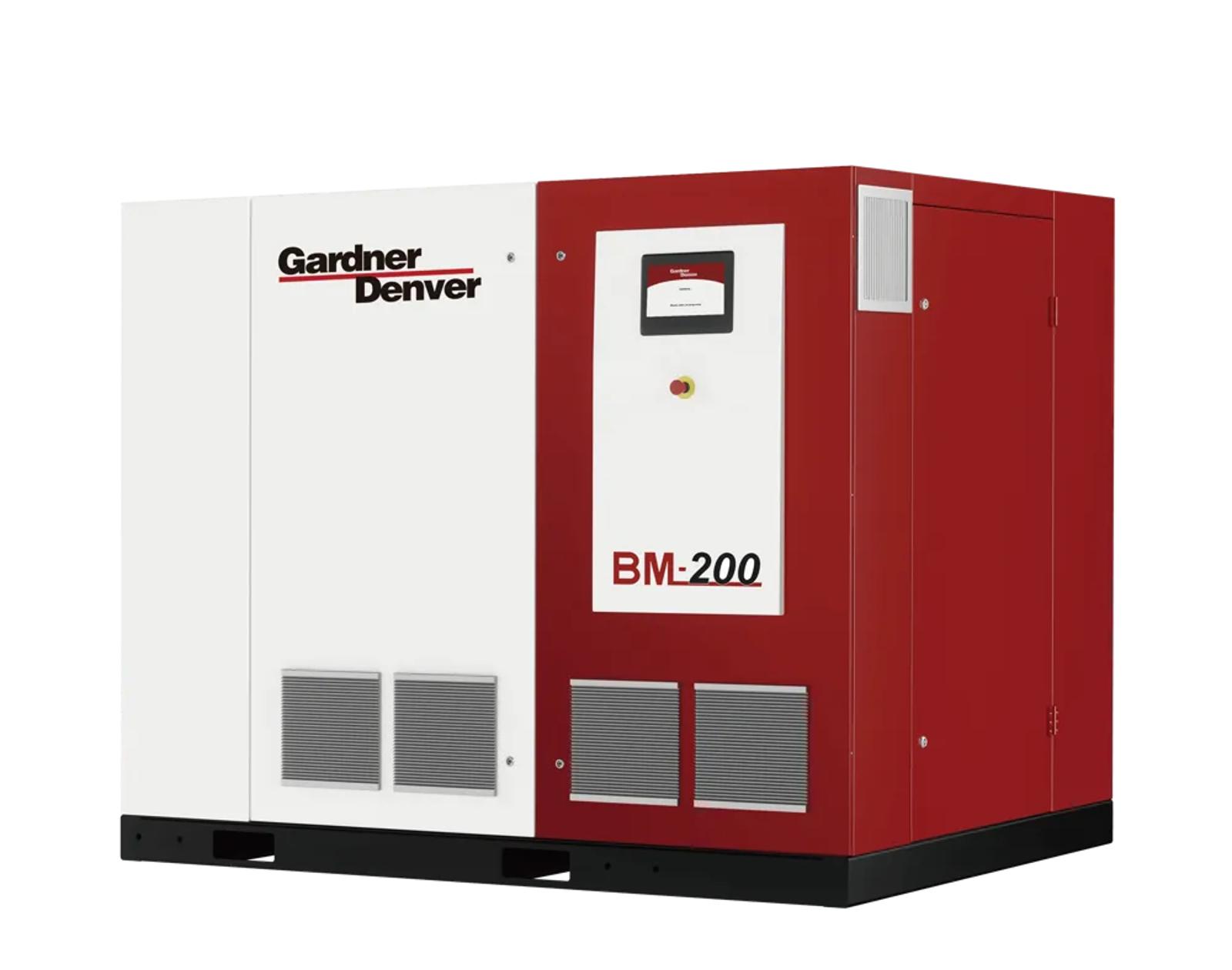
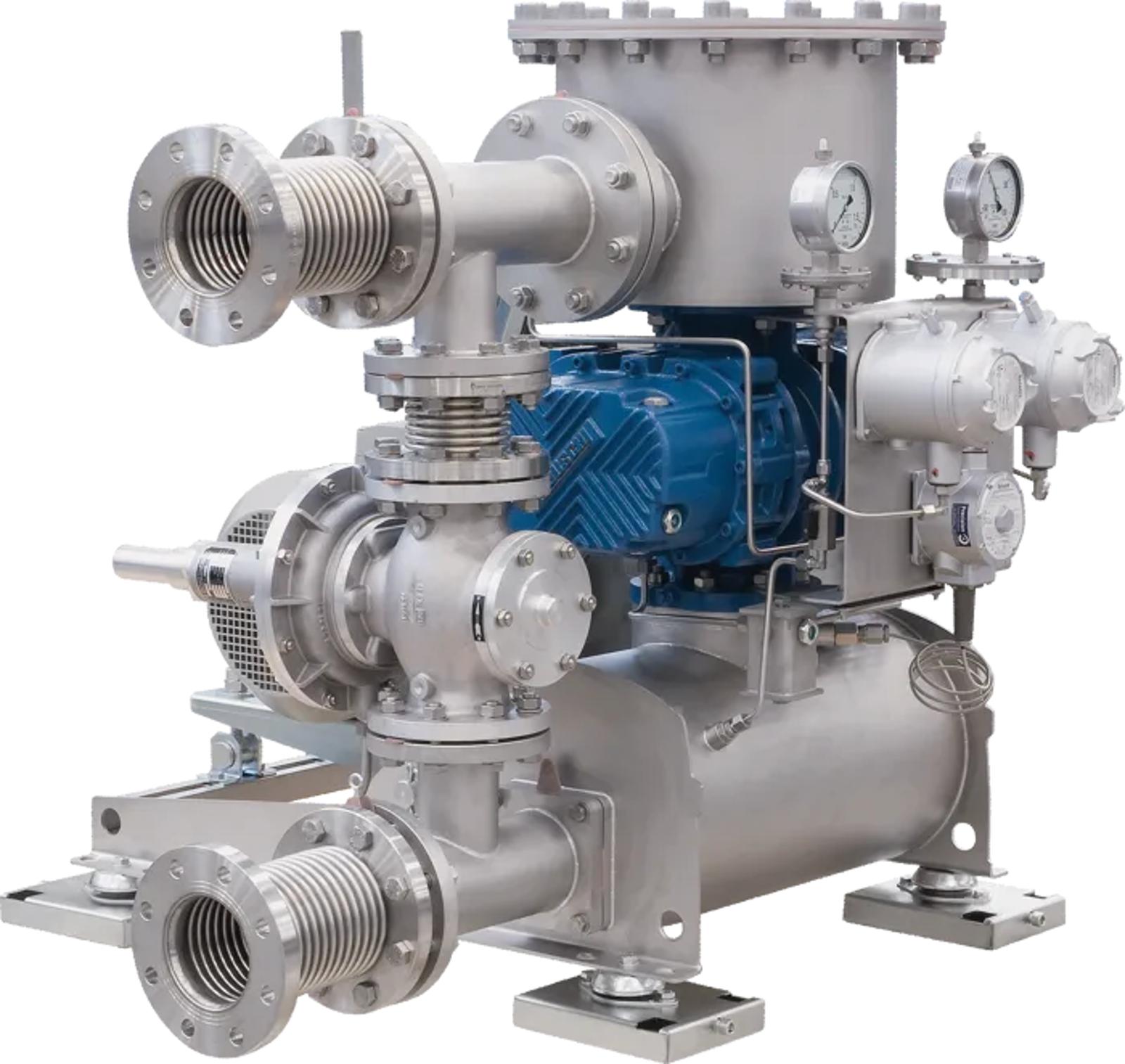
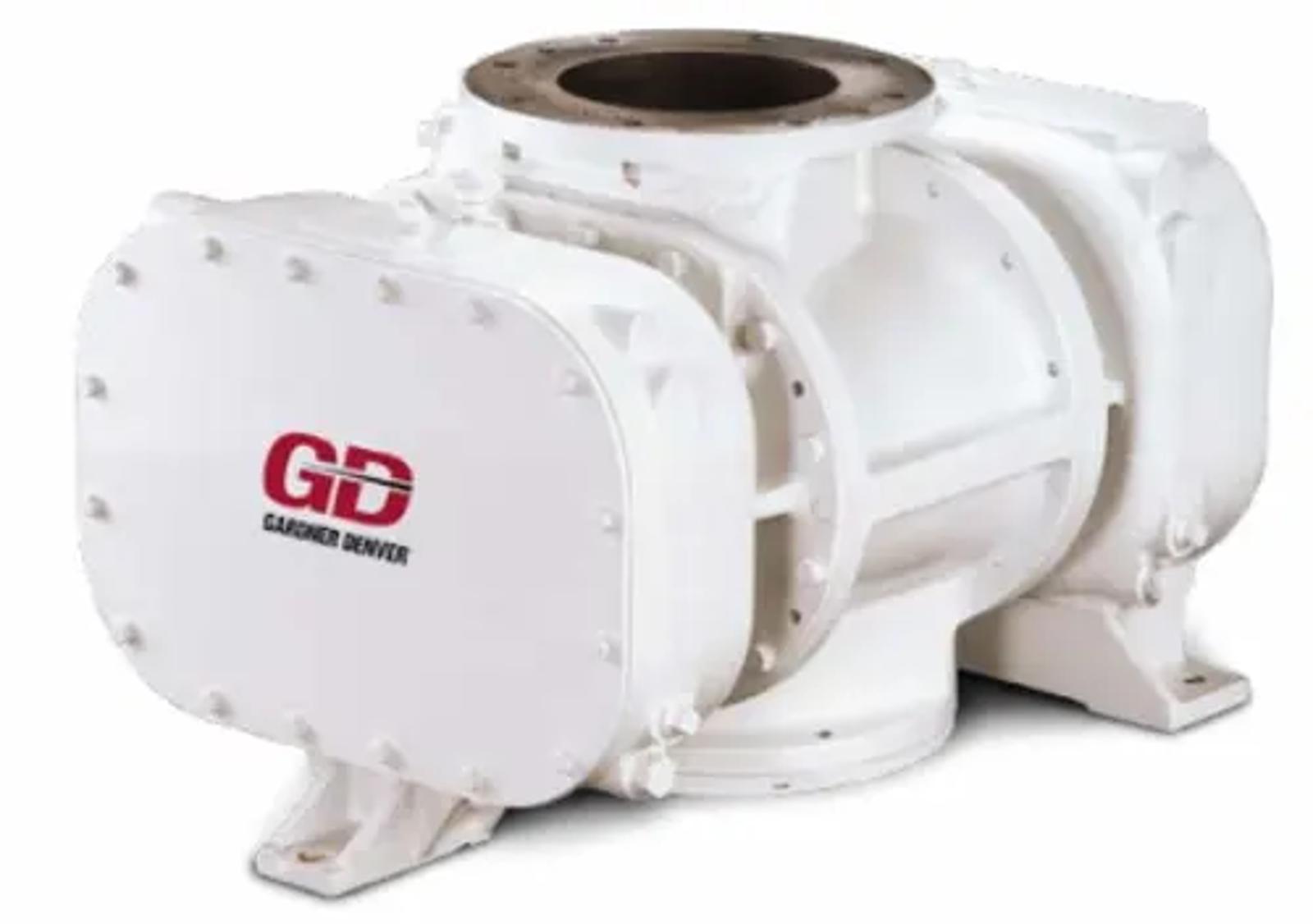
To optimize biogas yield and digester performance, effective mixing is essential. Many facilities use gas recirculation systems that capture biogas from the digester headspace, compress it, and re-inject it through diffusers at the bottom of the digester. The resulting gas bubbles improve liquid circulation, mixing efficiency, and methane saturation. This process is commonly supported by Rotary Lobe, Screw, or Claw blowers operating at pressures up to 1.5 bar(g).

The biogas produced can be used for heat and power generation or upgraded to biomethane for injection into gas grids and vehicle fuel applications. The remaining digestate can be processed into fertilizer products, making anaerobic digestion a sustainable solution for waste management and renewable energy production.

The Ingersoll Rand Advantage

Comprehensive Equipment Portfolio

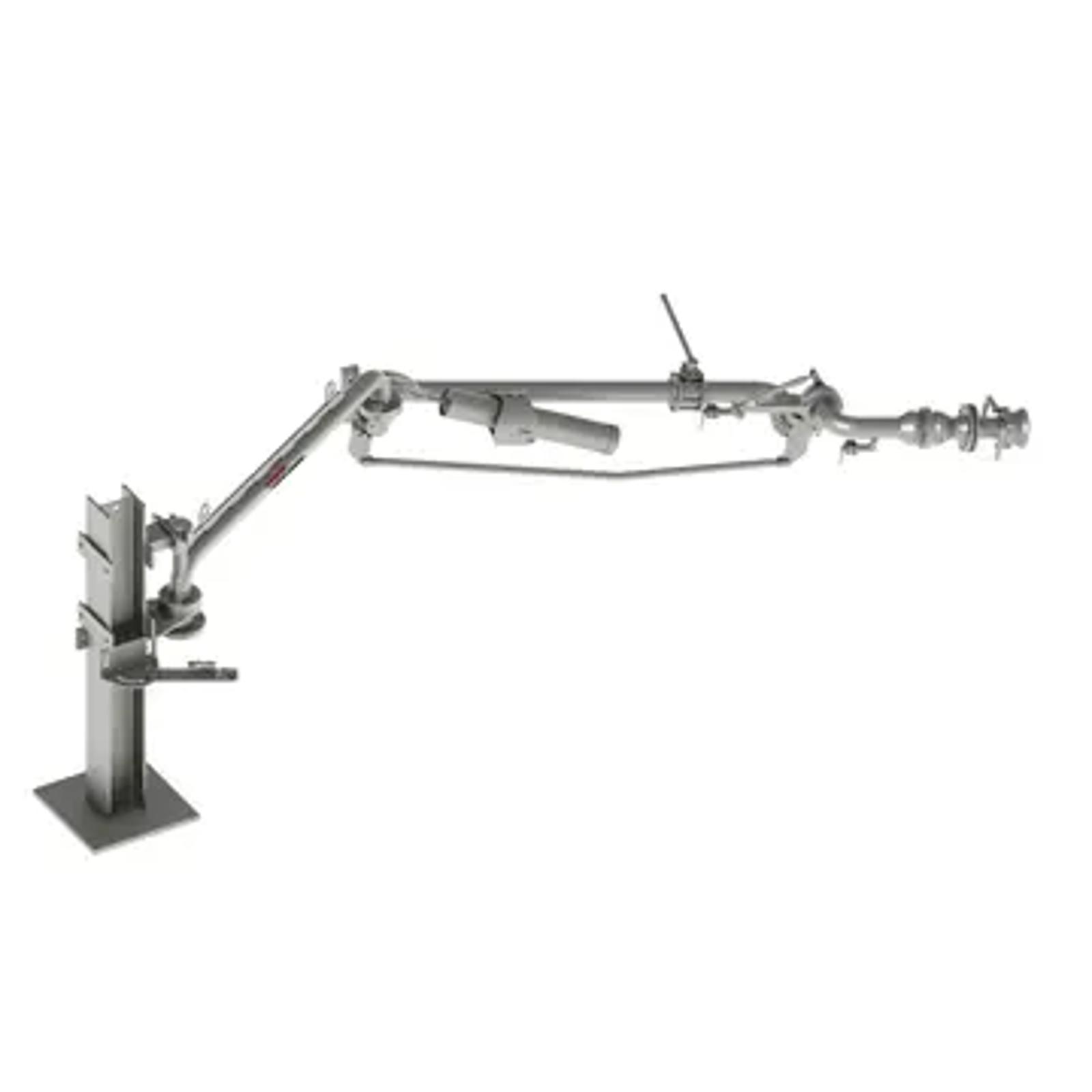
Compressors, blowers, pumps, vacuum systems, loading arms, odorization, and transport solutions for every stage of the RNG process.

Global Support Network

Worldwide engineering, procurement, distribution, service, and support capabilities.

Proven Process Expertise

Decades of experience delivering customized solutions for complex applications.

Industry-Specific Knowledge

Direct access to biogas and RNG specialists who understand your challenges.

Trusted Performance

Reliable results and long-term value from proven technologies and brands.

Advanced IIoT Monitoring

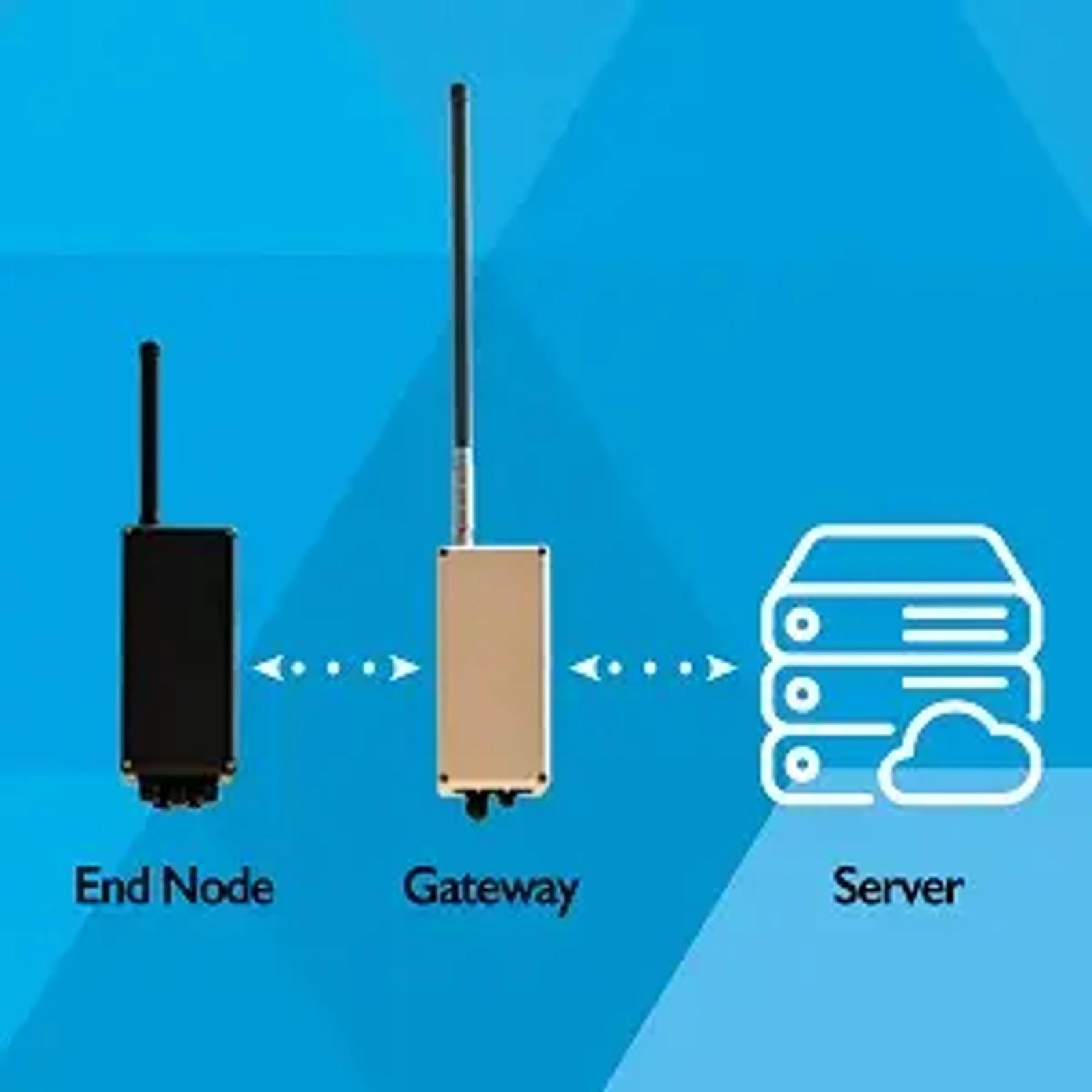
Remote visibility and monitoring solutions designed for hazardous environments.

Why Partner with Ingersoll Rand for your Biogas Production?

In its commitment to a carbon neutral future, Ingersoll Rand offers a wide range of solutions supporting various stages of the RNG process. This includes natural gas compressors, blowers, and vacuum solutions for extraction, as well as pumps, loading arms and odorization systems with integrated specialized IIoT systems for remote monitoring. 

One IR Biogas Brochure APAC

Let's have a chat!