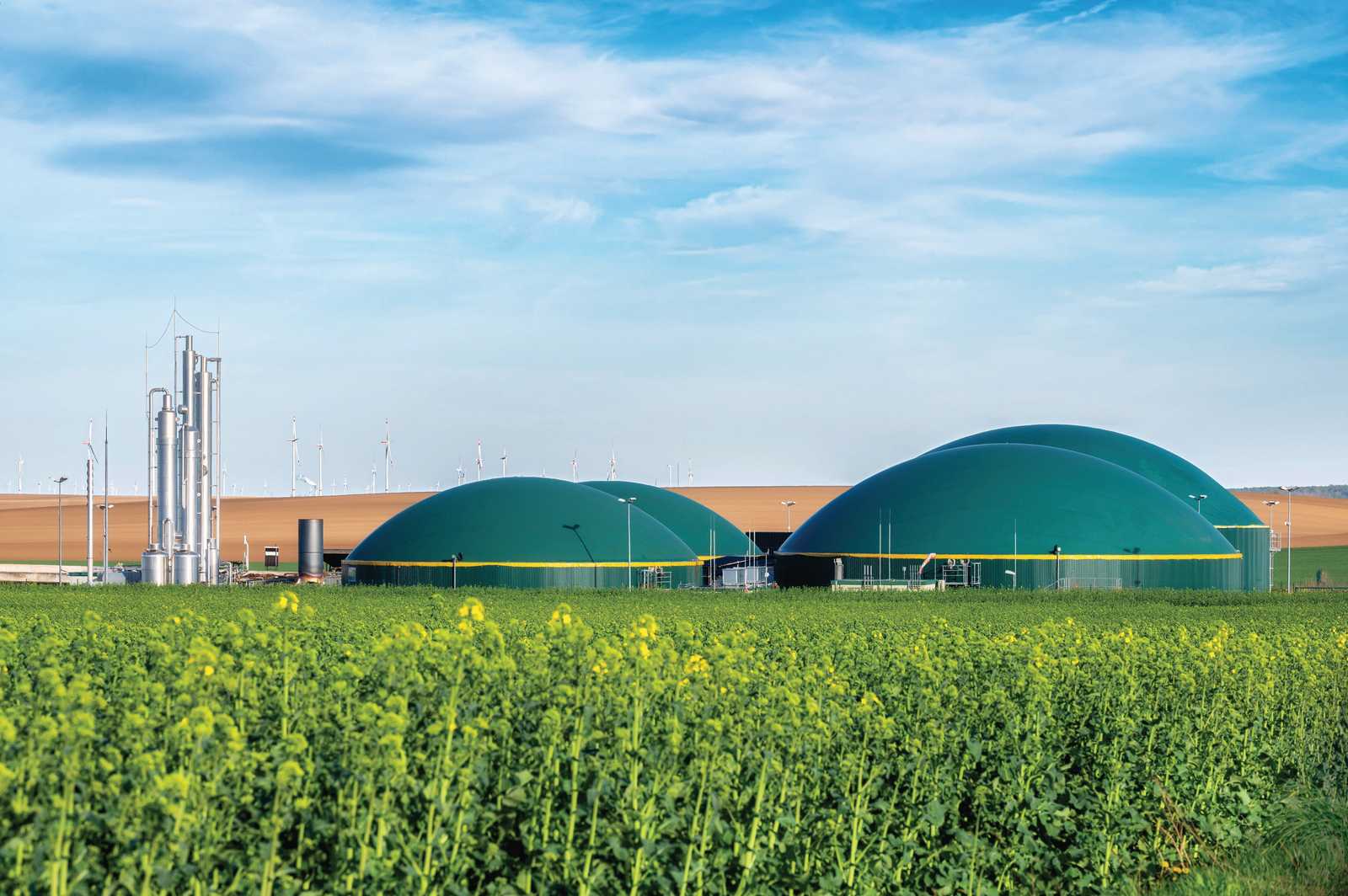
Biogas Compression and Biomethane Solutions

The global demand for Renewable Natural Gas (RNG), also known as Biomethane, is on the rise. RNG is a sustainable energy source alternative to fossil fuels, produced from organic waste. It plays a crucial role in reducing the carbon footprint of the natural gas grid and transportation, since energy is derived from these renewables rather than carbon-producing fossil fuels. The expansion of this industry thrives on government incentives and regulations designed to curb greenhouse gas emissions. This upward industry trend is expected to continue in the coming years. This exponential growth will similarly flow into Asia Pacific, with Southeast Asia having the greatest potential given the huge amounts of feedstock and Palm Oil Mill Effluent (POME) from Agricultural and Palm Oil Plantations in Indonesia, Malaysia and Philippines.

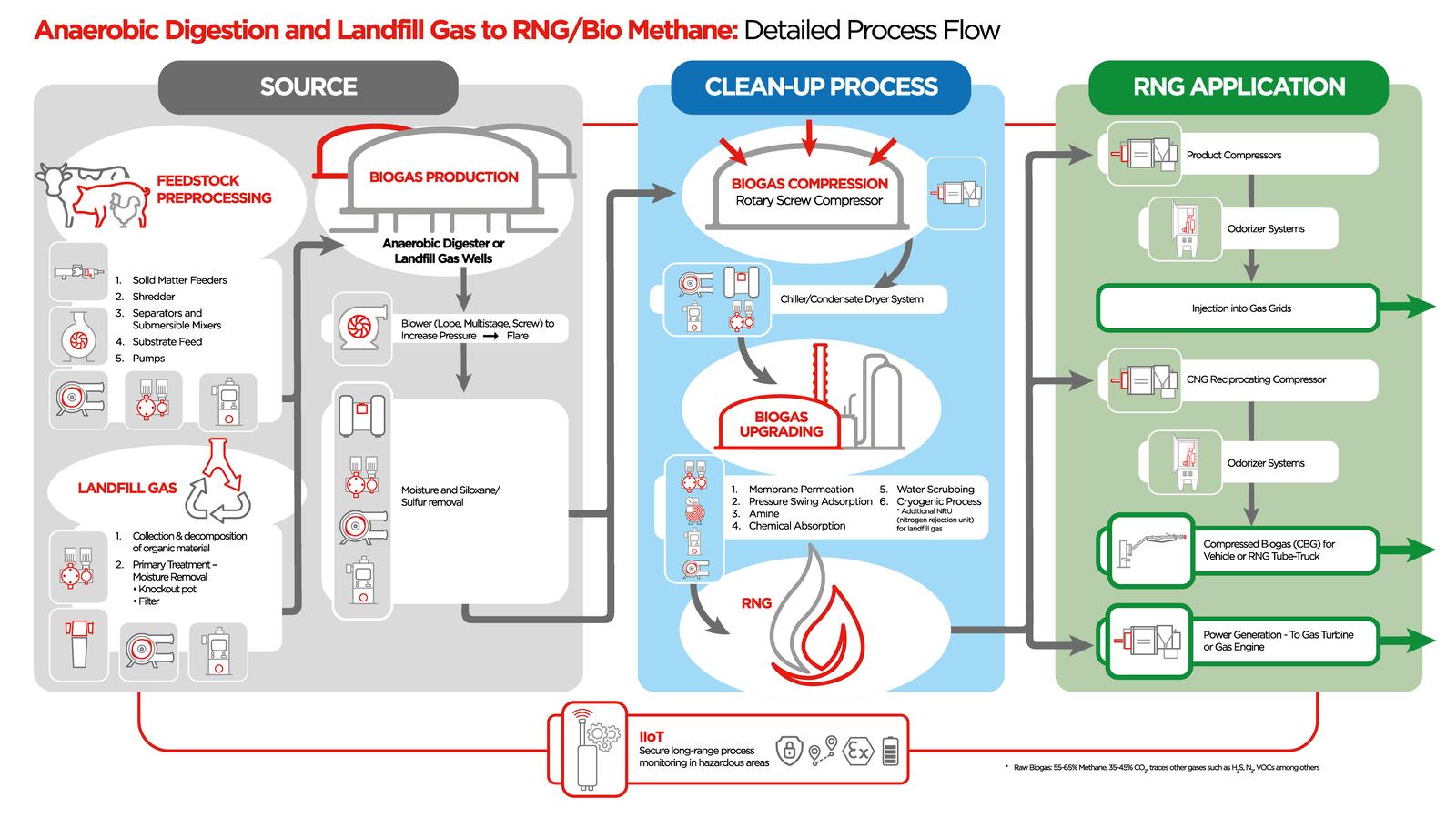
RNG production involves capturing and processing methane emissions produced by organic matter from various sources, including landfills, wastewater treatment plants, and feedstock operations. Through processes like anaerobic digestion, the captured methane is upgraded to meet quality standards and transformed into RNG. This process mitigates the environmental impact of methane and creates a renewable energy source.

This sustainable fuel can be used on-site as part of a self-sufficient energy system or transported through natural gas pipelines for use in other locations. Its applications include heating, generating electricity and serving as a fuel source for vehicles, among other uses.
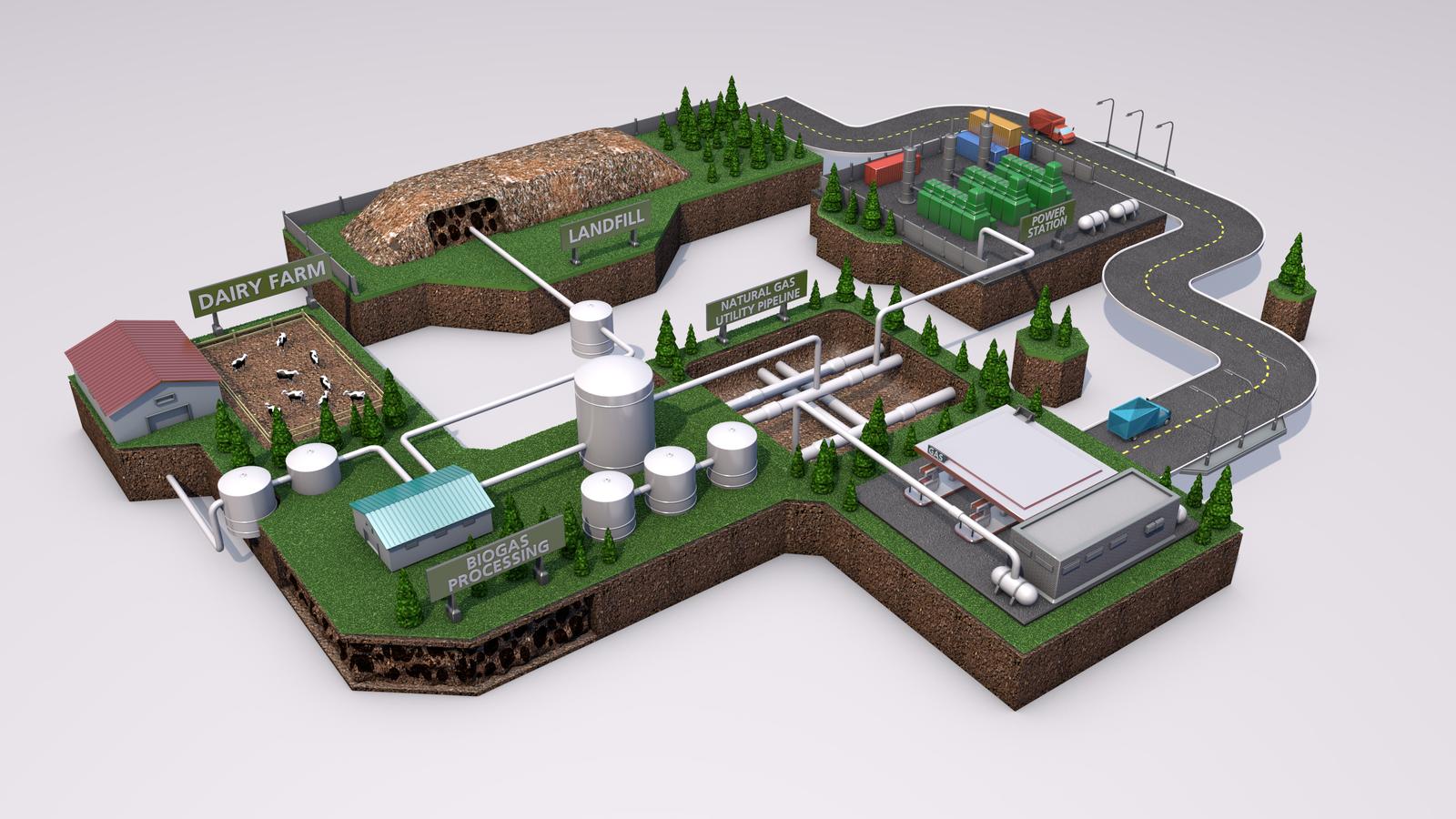
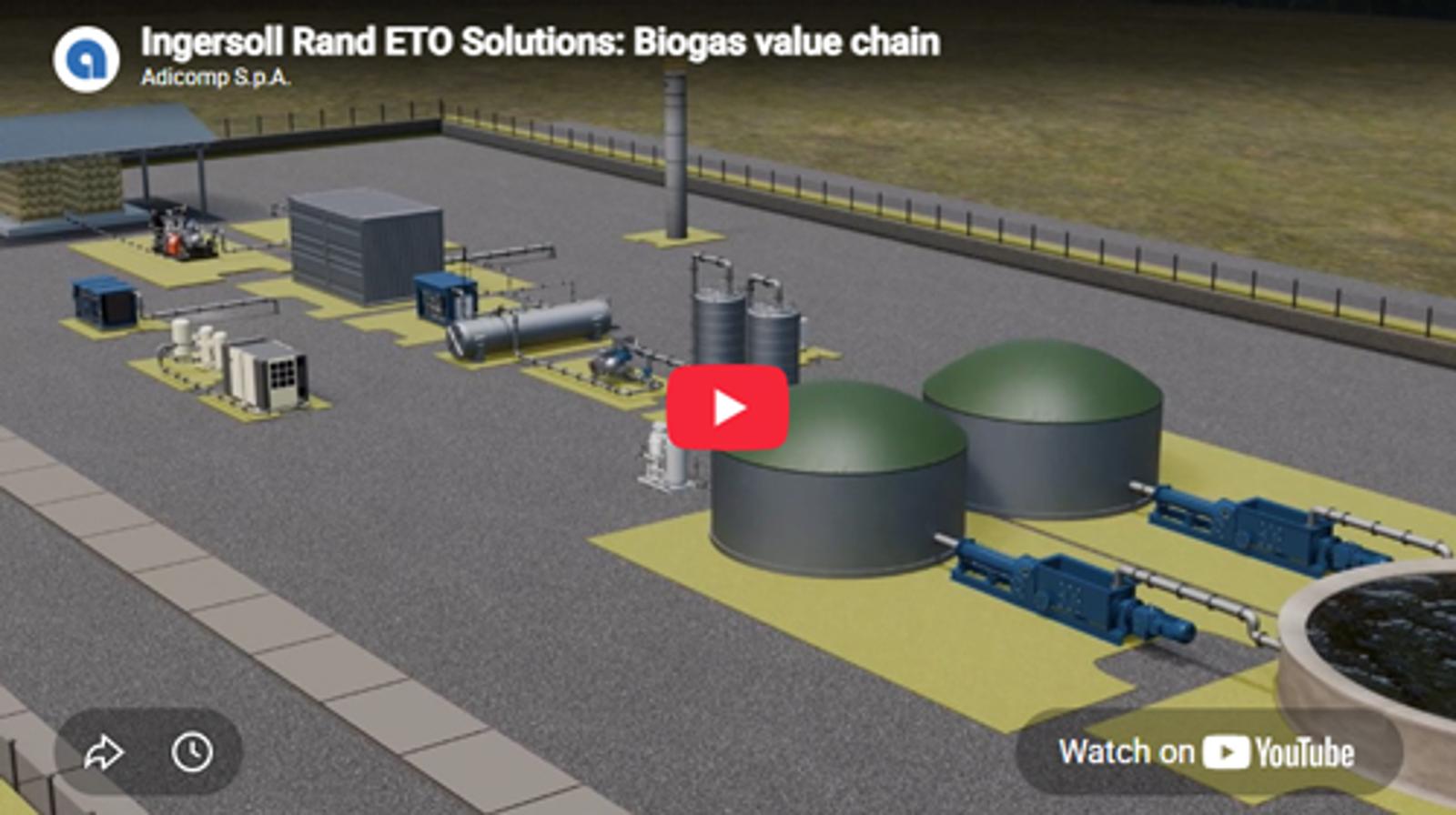
IRP Industry Photo Renewable natural gas ecosystem

Why Partner with Ingersoll Rand for your Biogas Production?

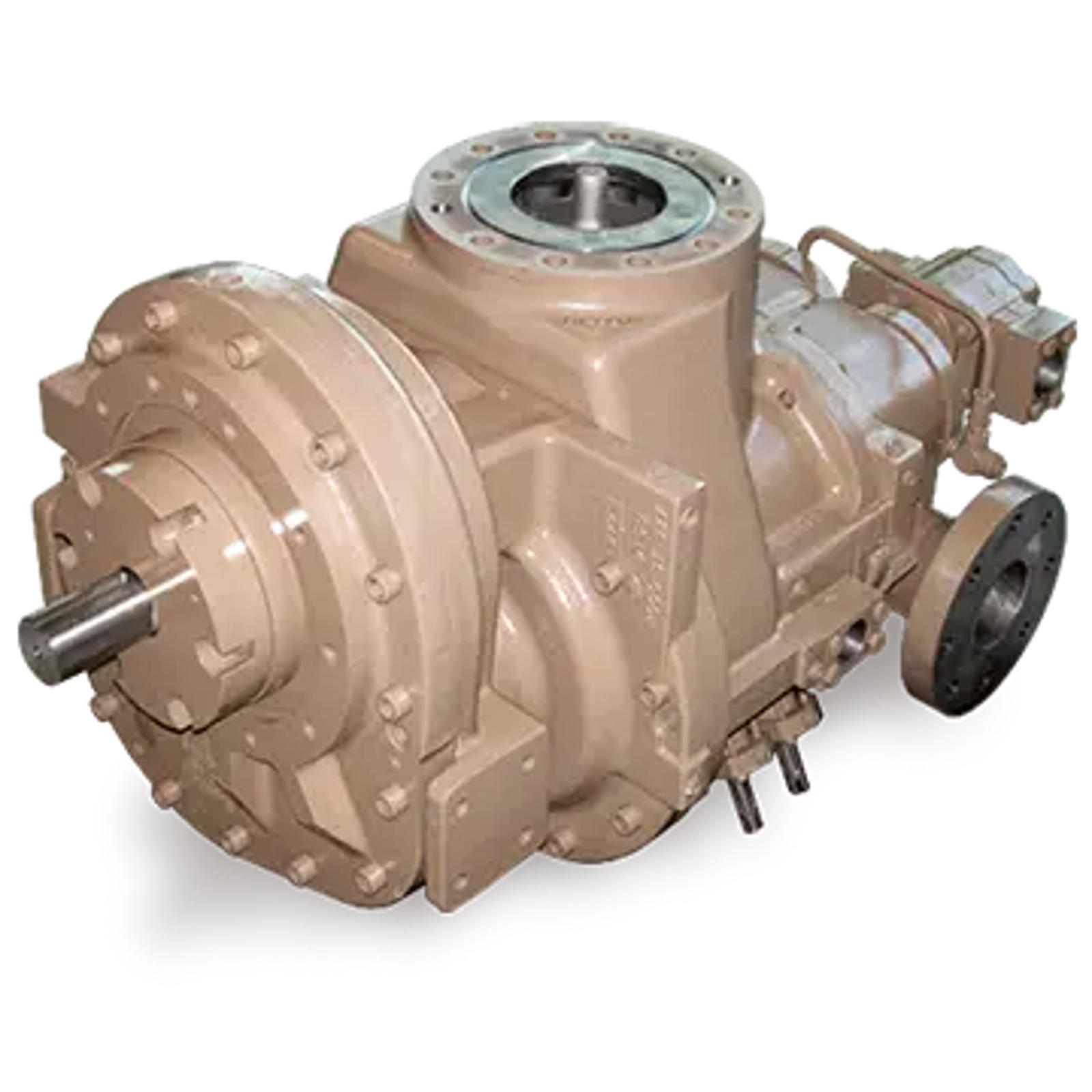
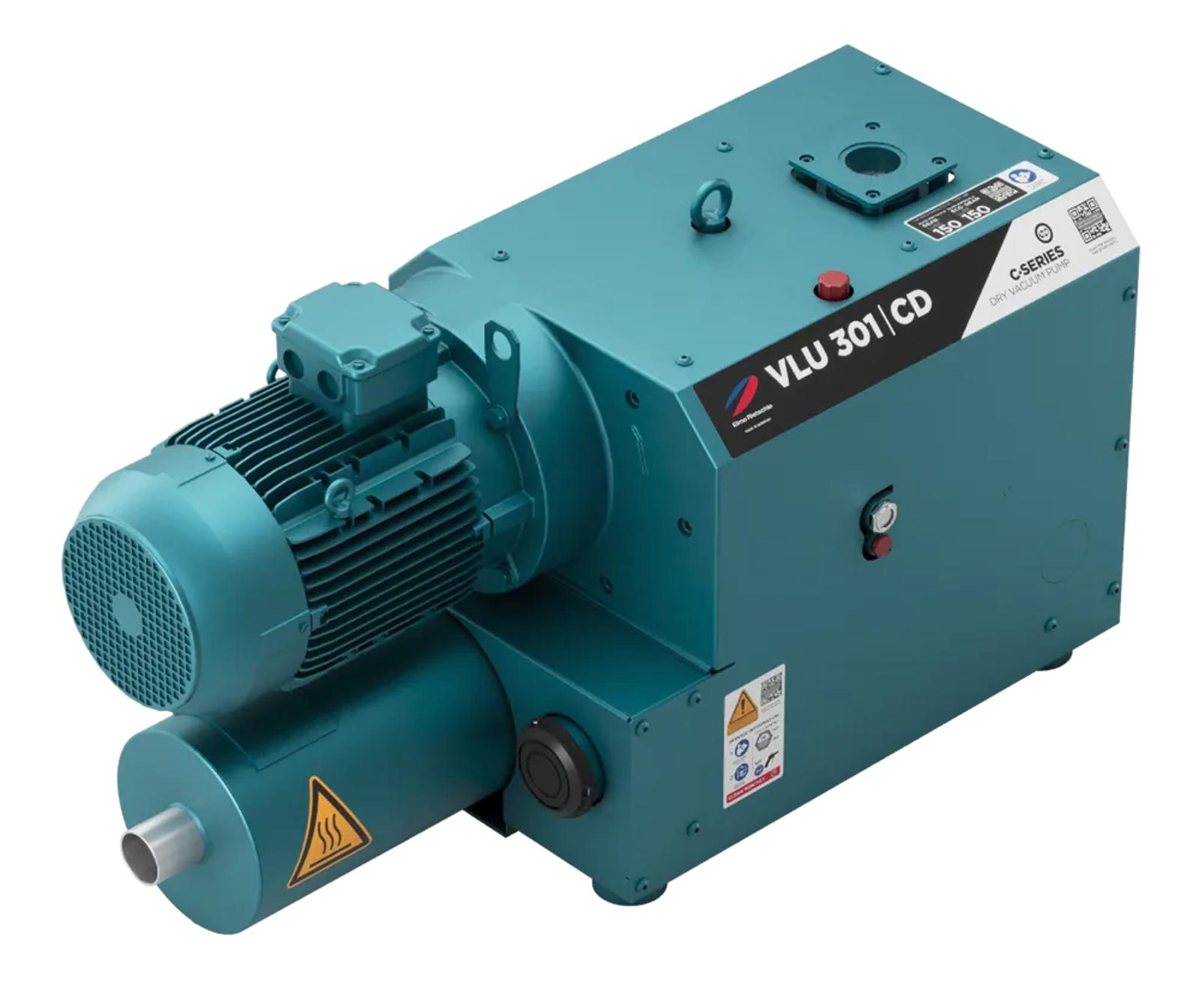
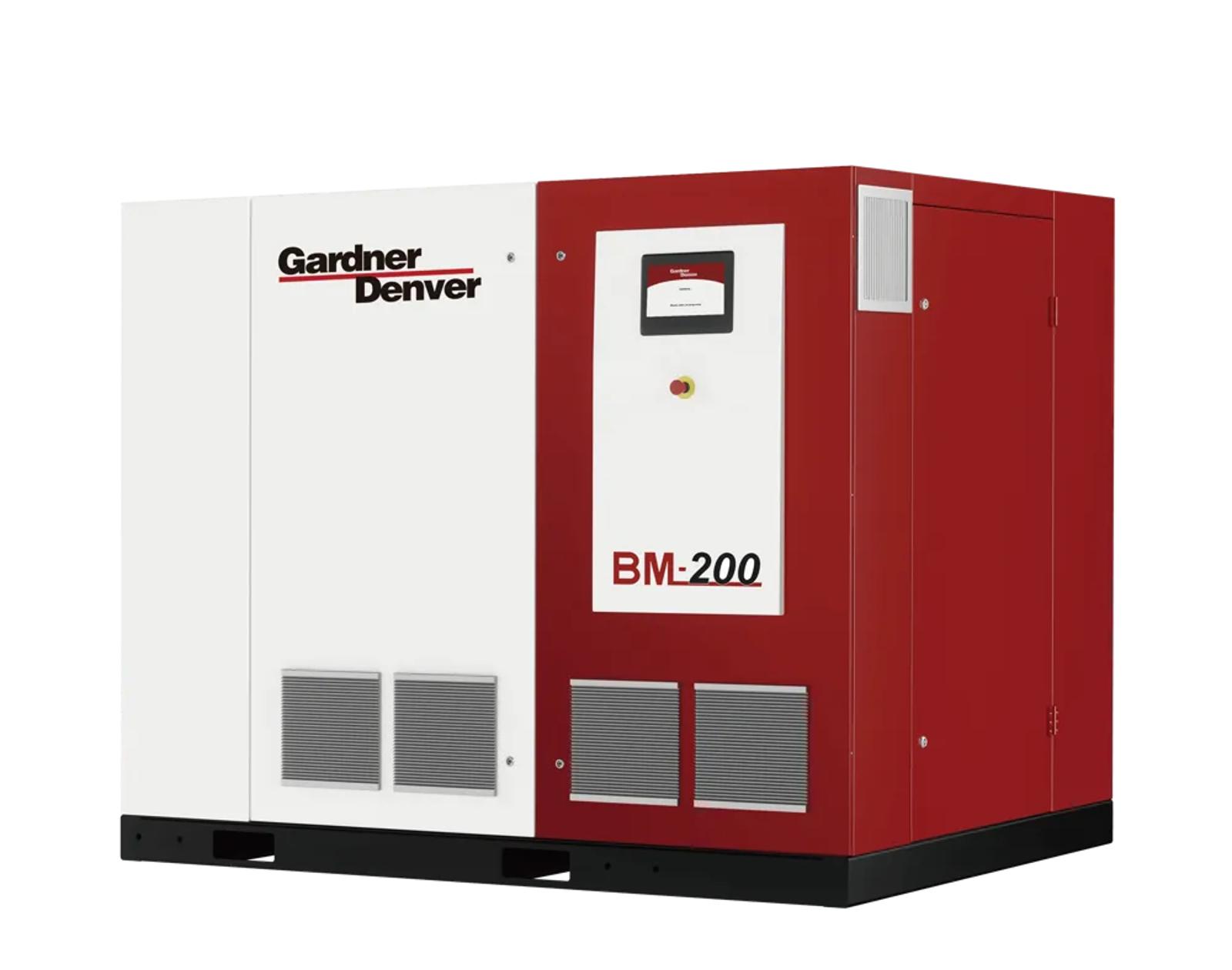
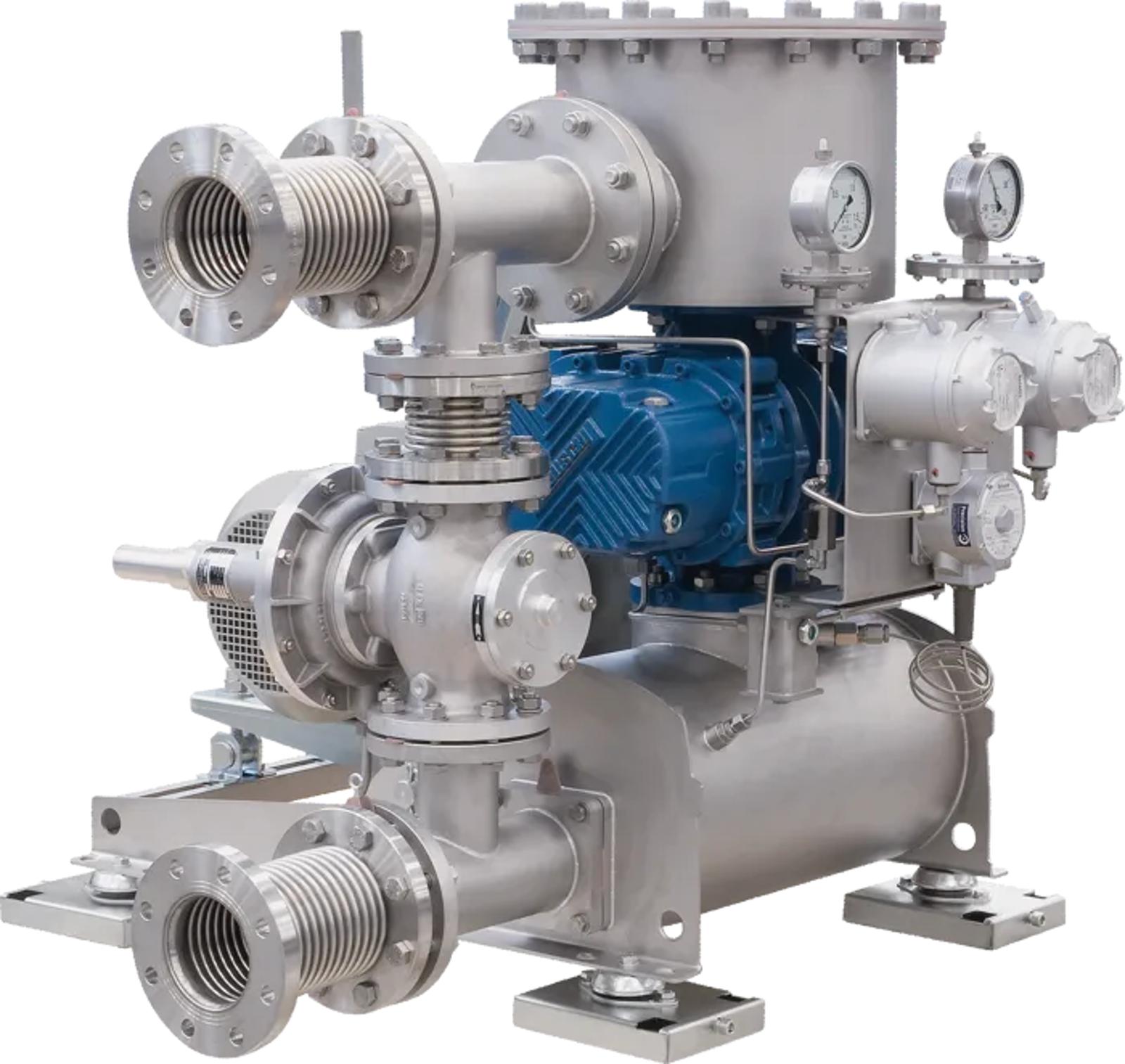
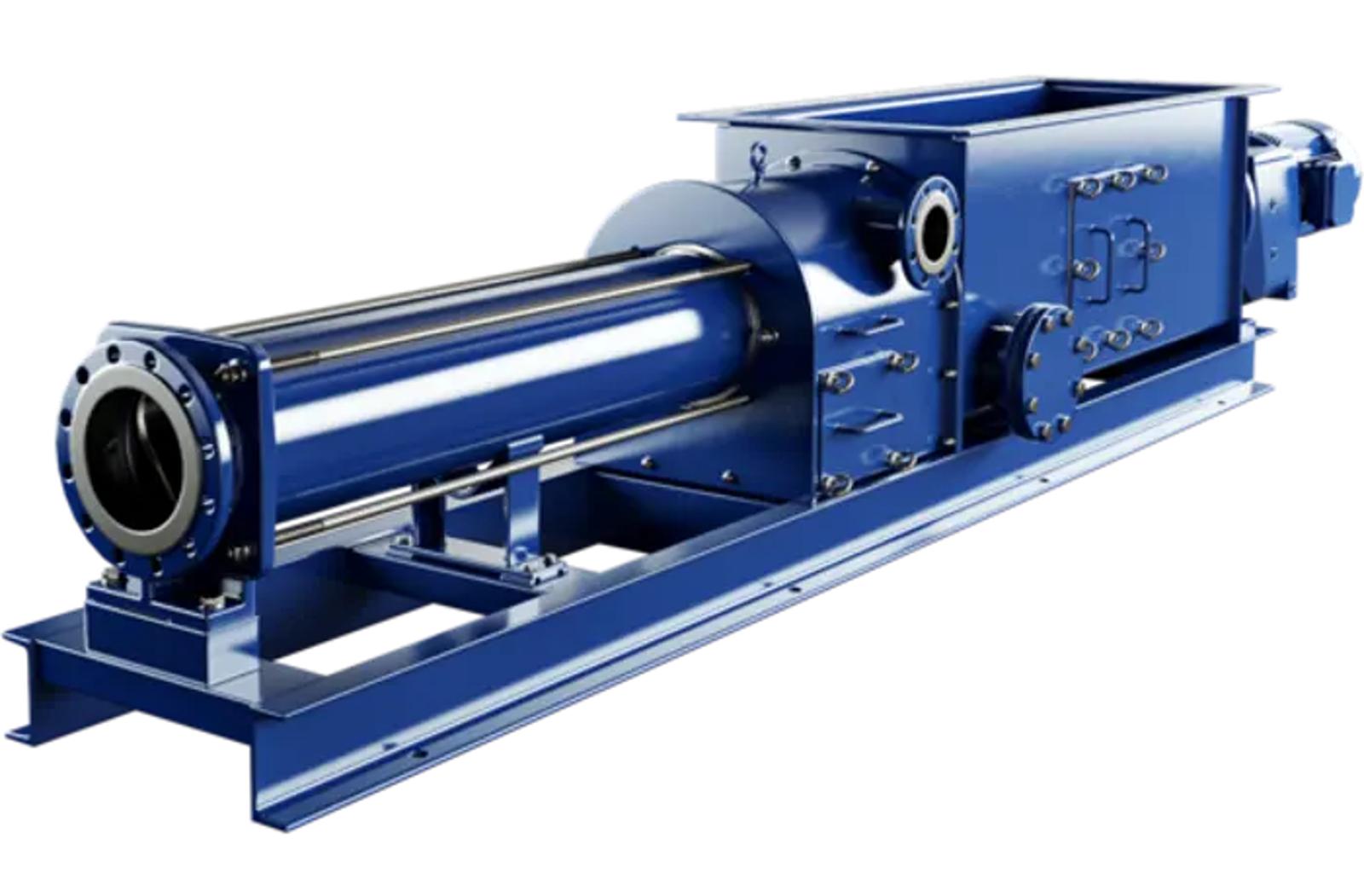
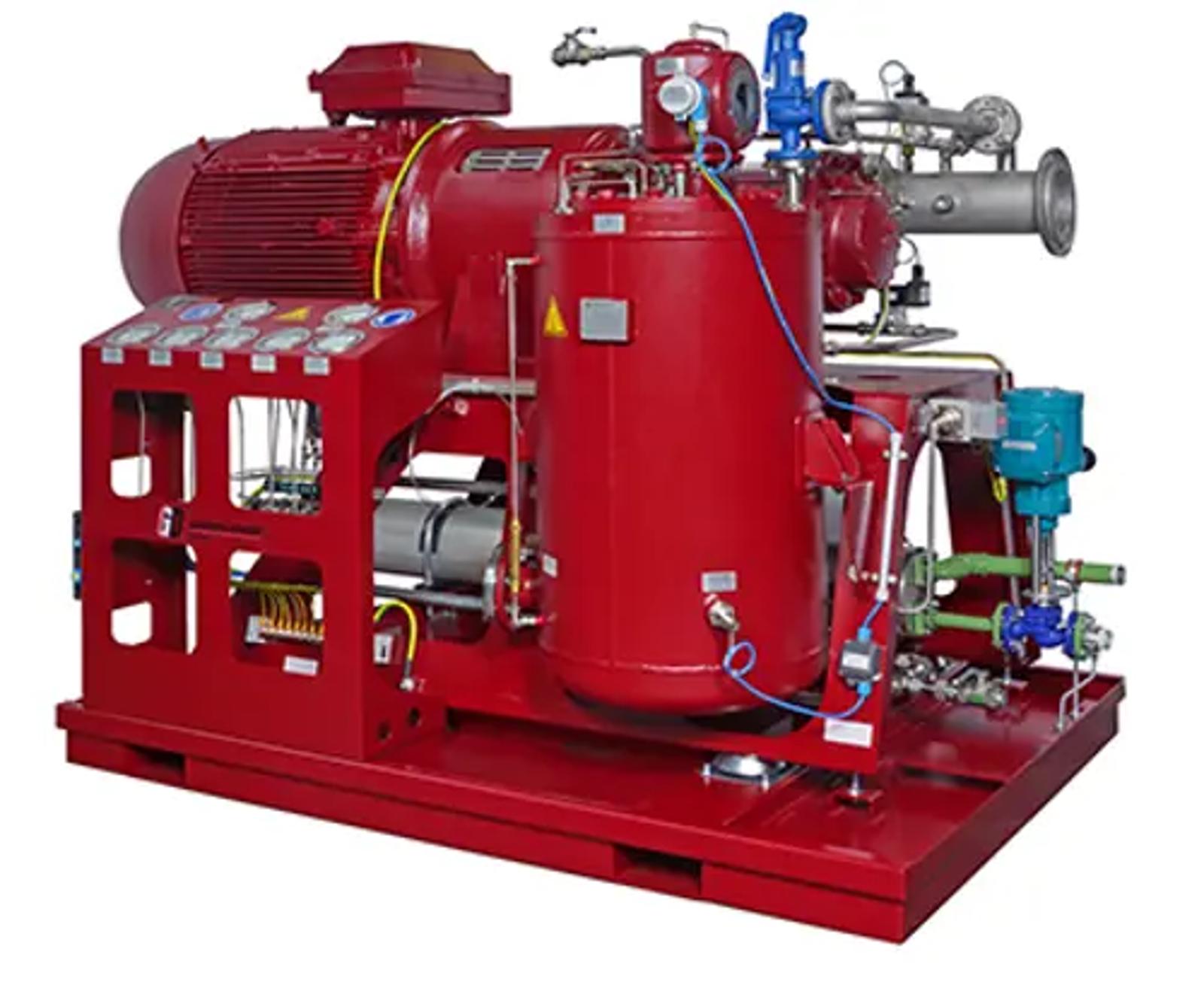
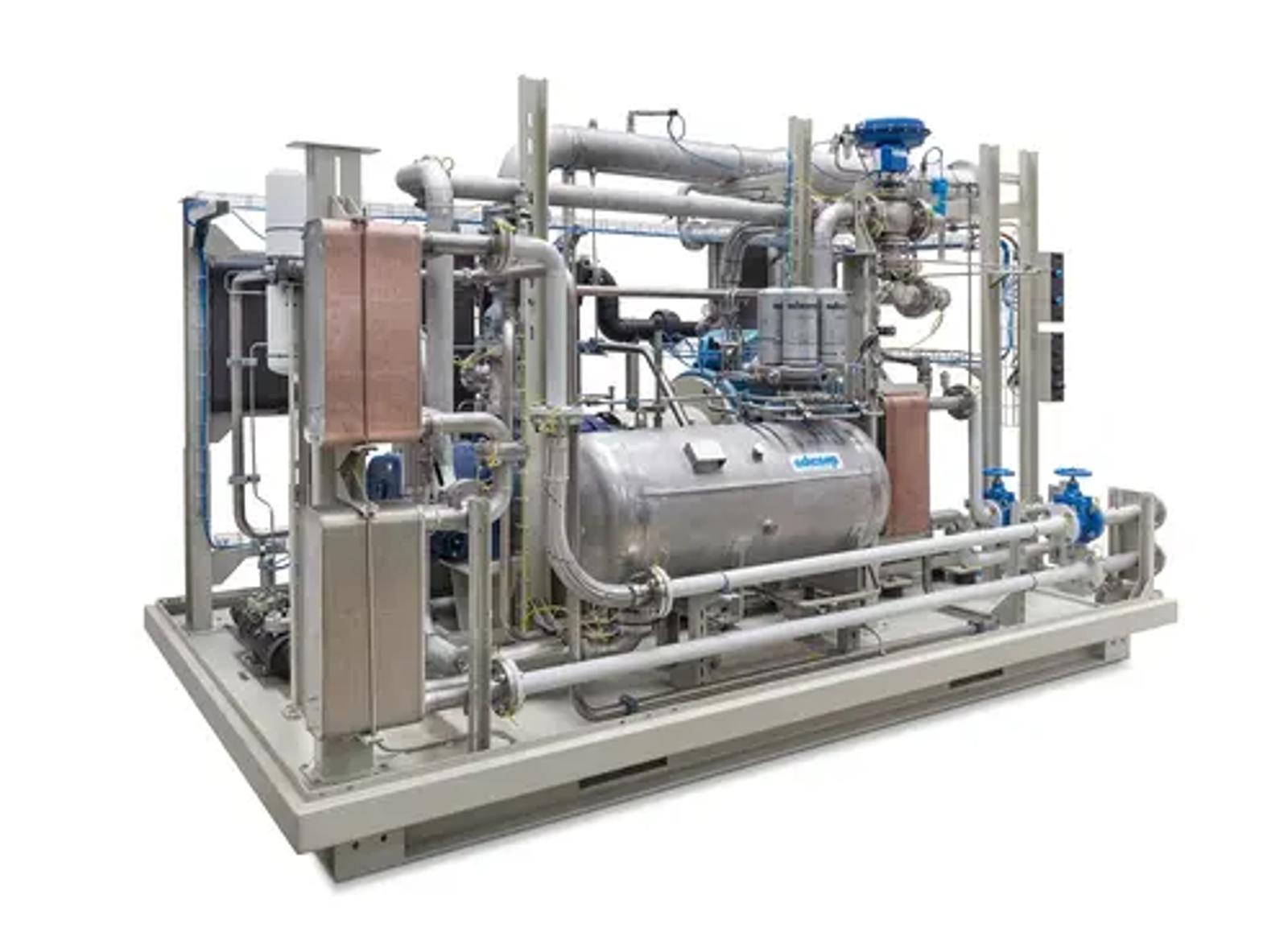
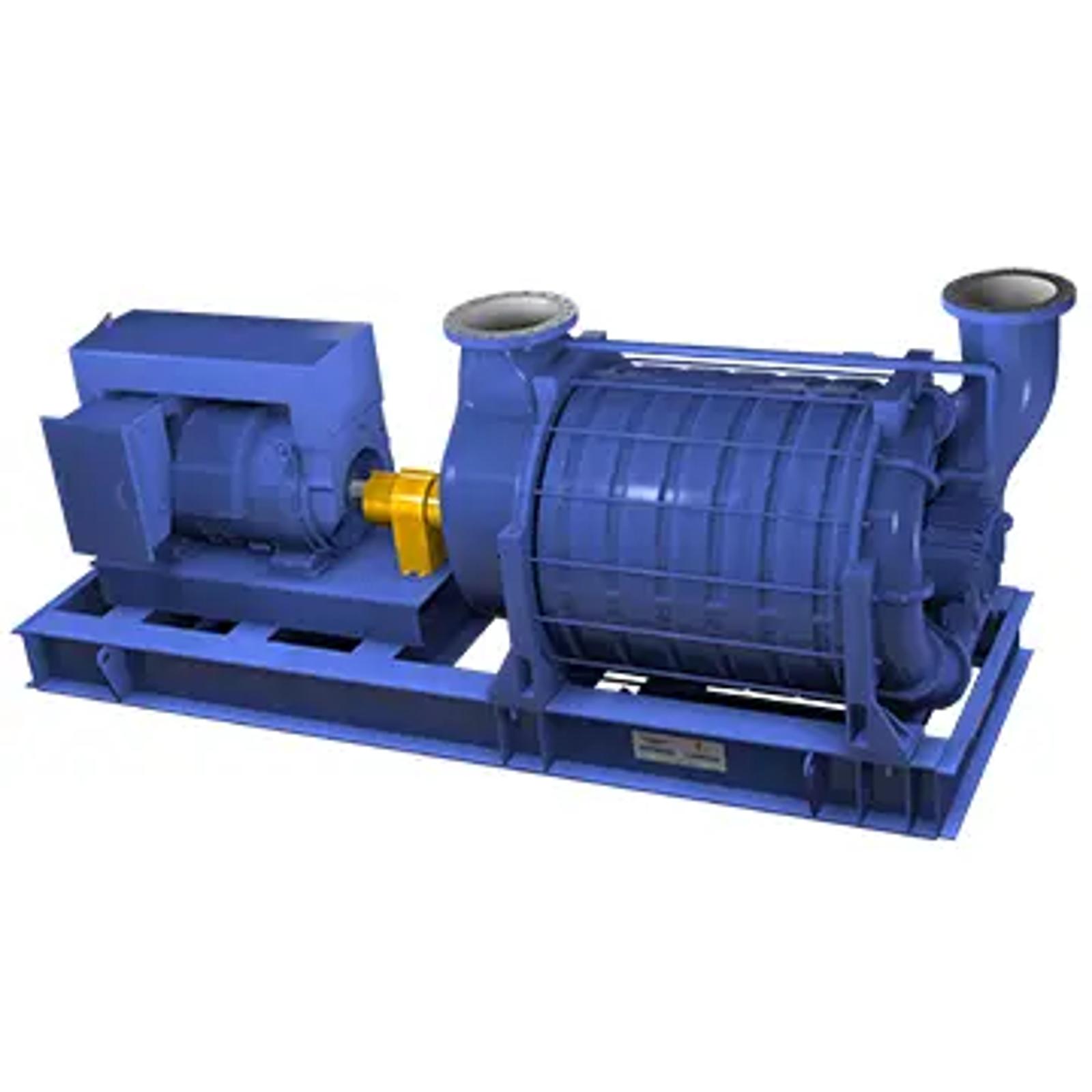
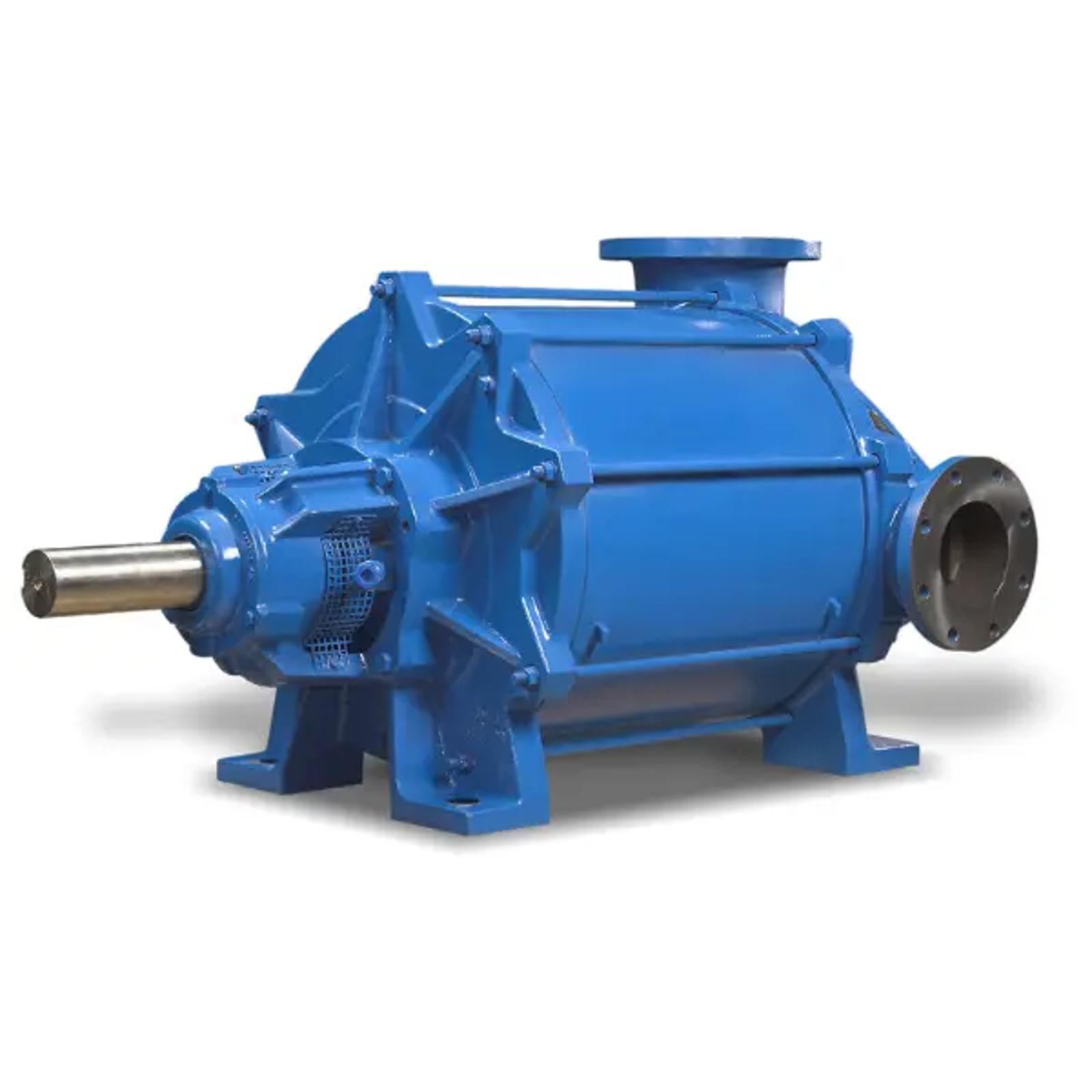
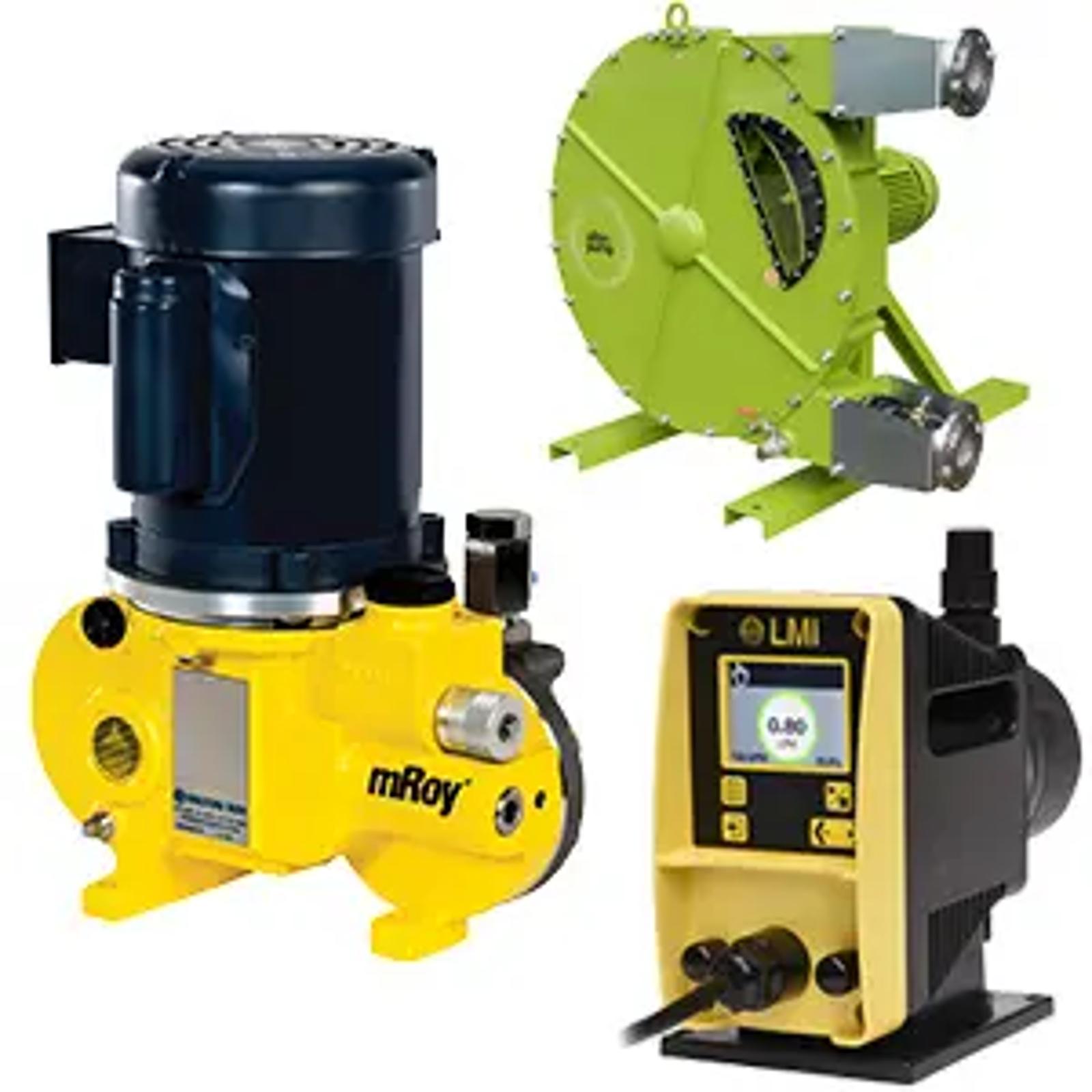
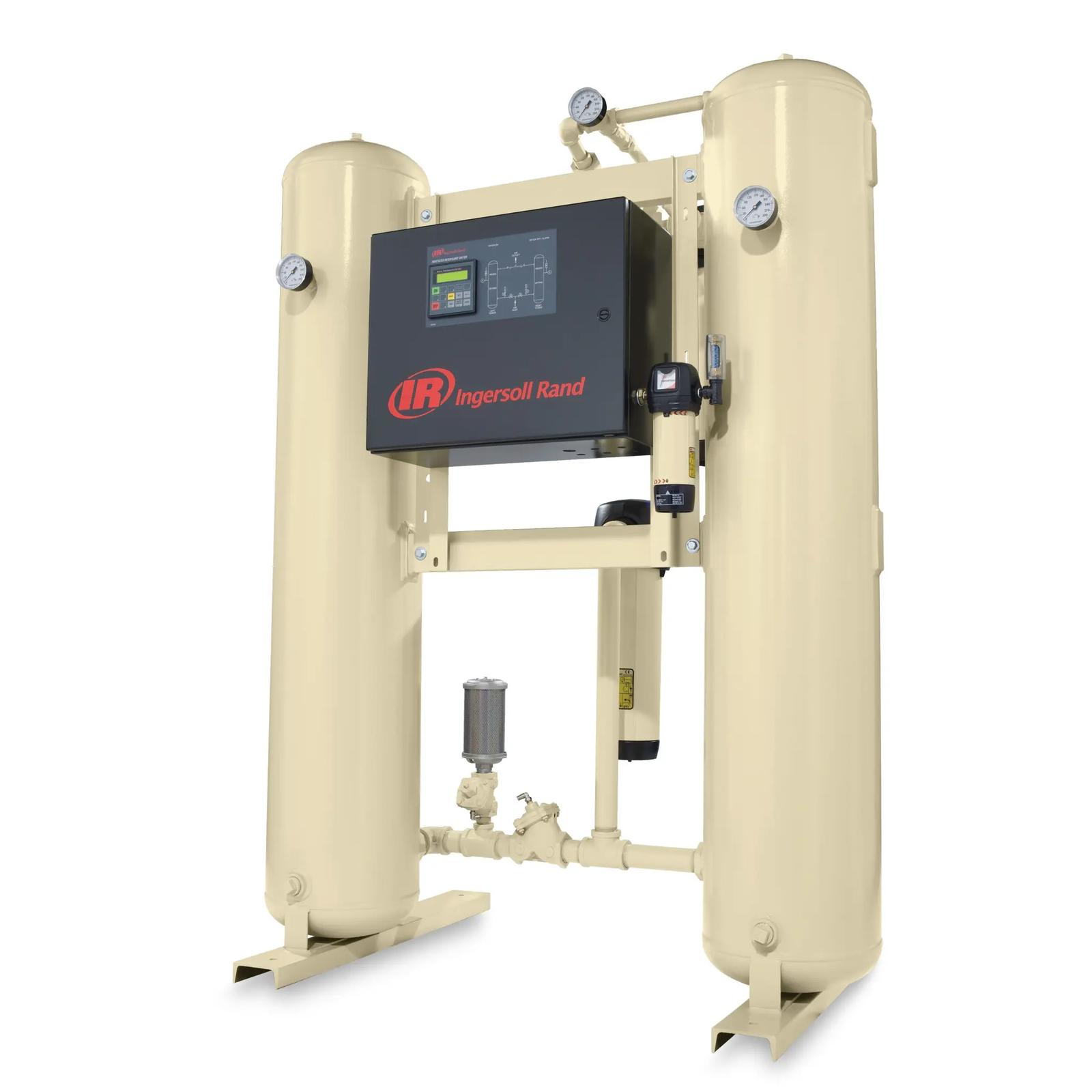
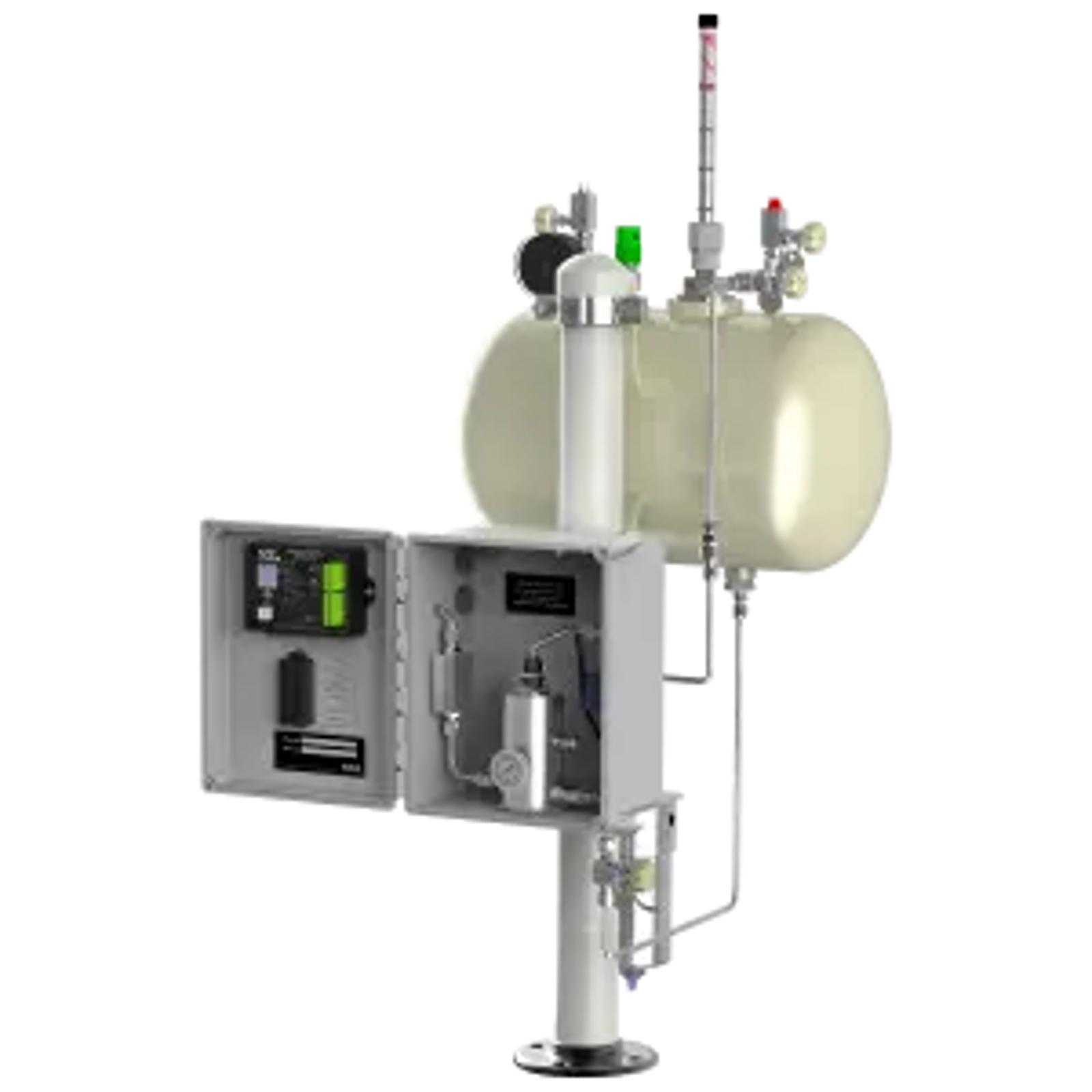
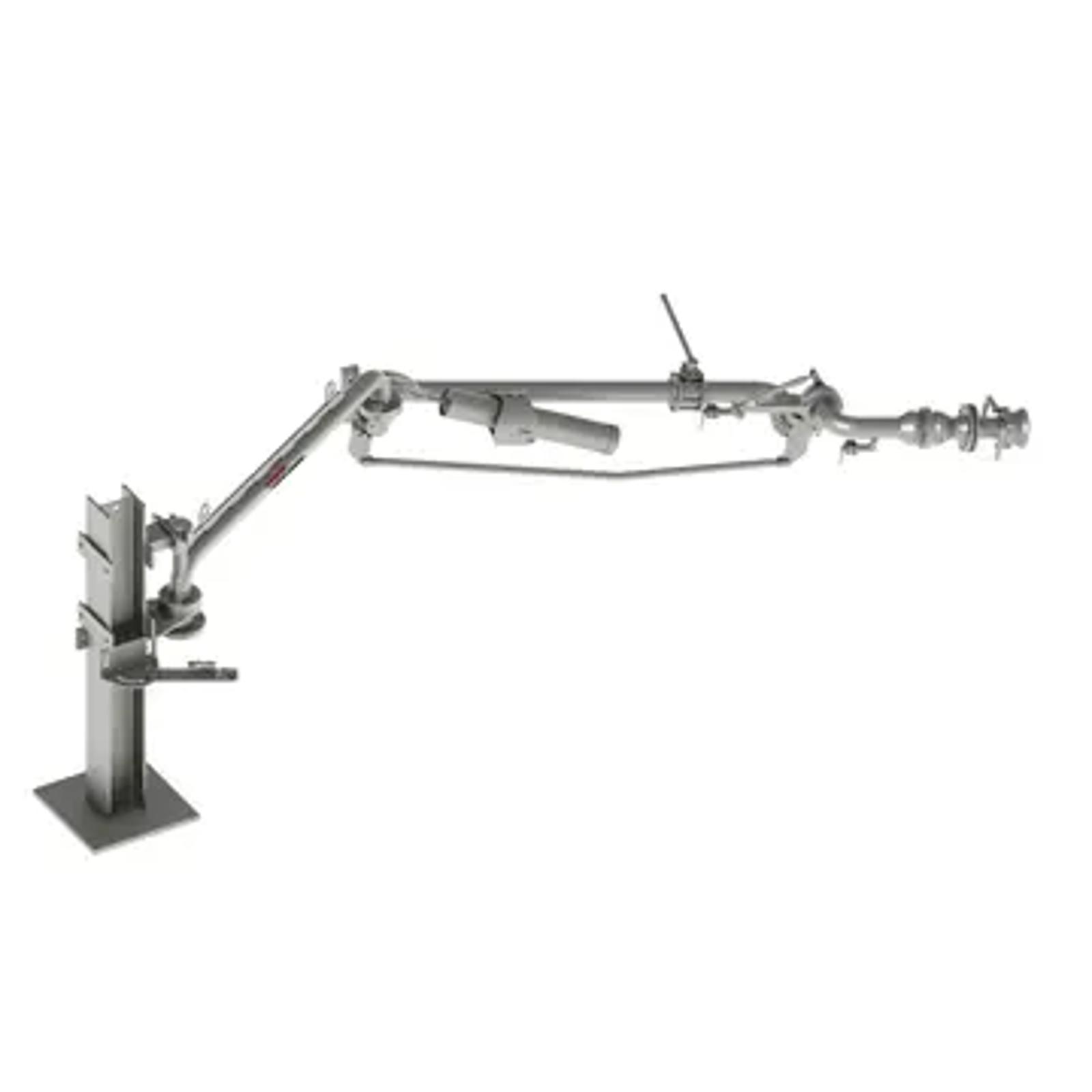
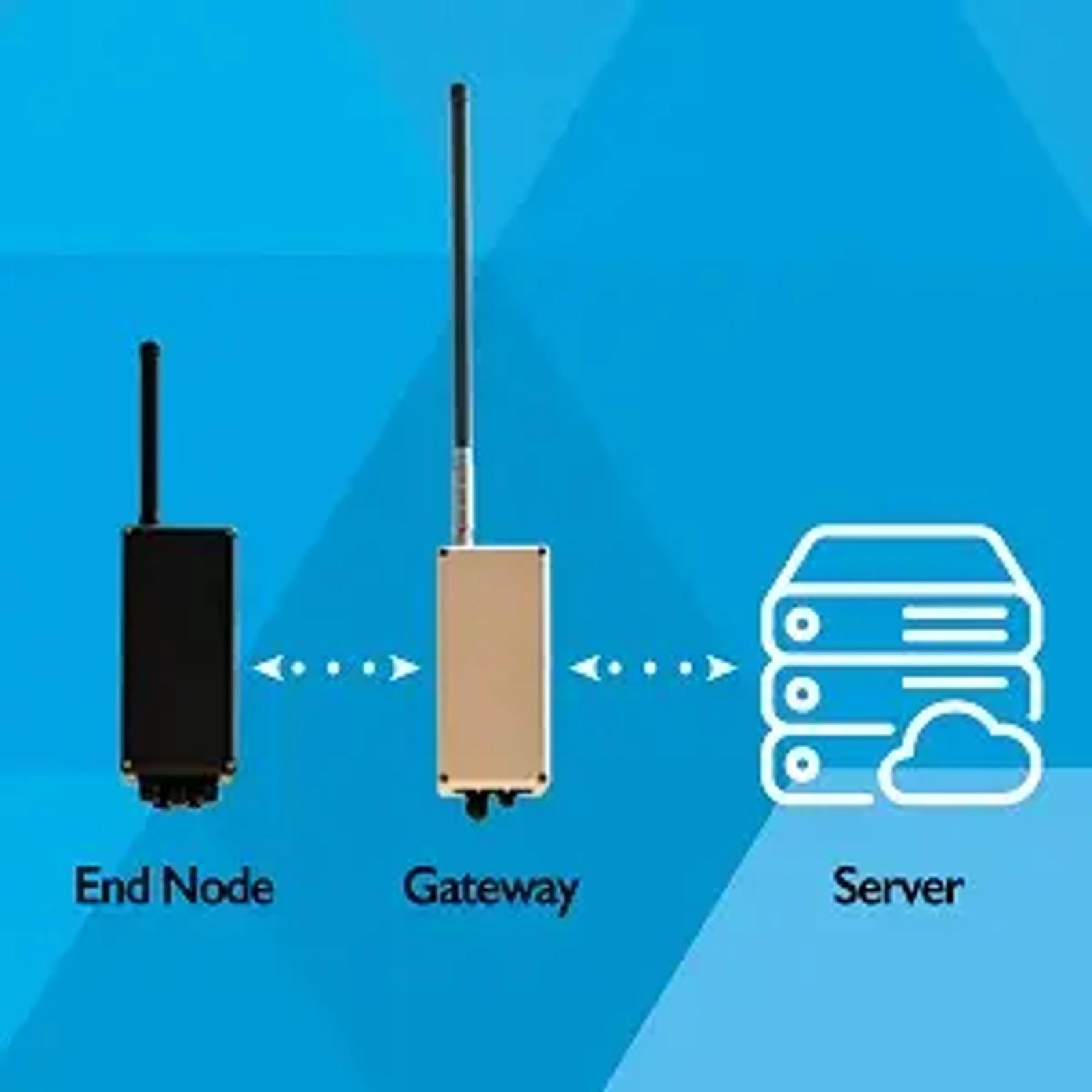
In its commitment to a carbon neutral future, Ingersoll Rand offers a wide range of solutions supporting various stages of the RNG process. This includes natural gas compressors, blowers, and vacuum solutions for extraction, as well as pumps, loading arms and odorization systems with integrated specialized IIoT systems for remote monitoring. 

One IR Biogas Brochure APAC

The Ingersoll Rand Advantage

Comprehensive Equipment Portfolio

Compressors, blowers, pumps, vacuum systems, loading arms, odorization, and transport solutions for every stage of the RNG process.

Global Support Network

Worldwide engineering, procurement, distribution, service, and support capabilities.

Proven Process Expertise

Decades of experience delivering customized solutions for complex applications.

Industry-Specific Knowledge

Direct access to biogas and RNG specialists who understand your challenges.

Trusted Performance

Reliable results and long-term value from proven technologies and brands.

Advanced IIoT Monitoring

Remote visibility and monitoring solutions designed for hazardous environments.

Understanding the Biogas Production Processes

IRP Industry Photo Guide to generate high quality rng

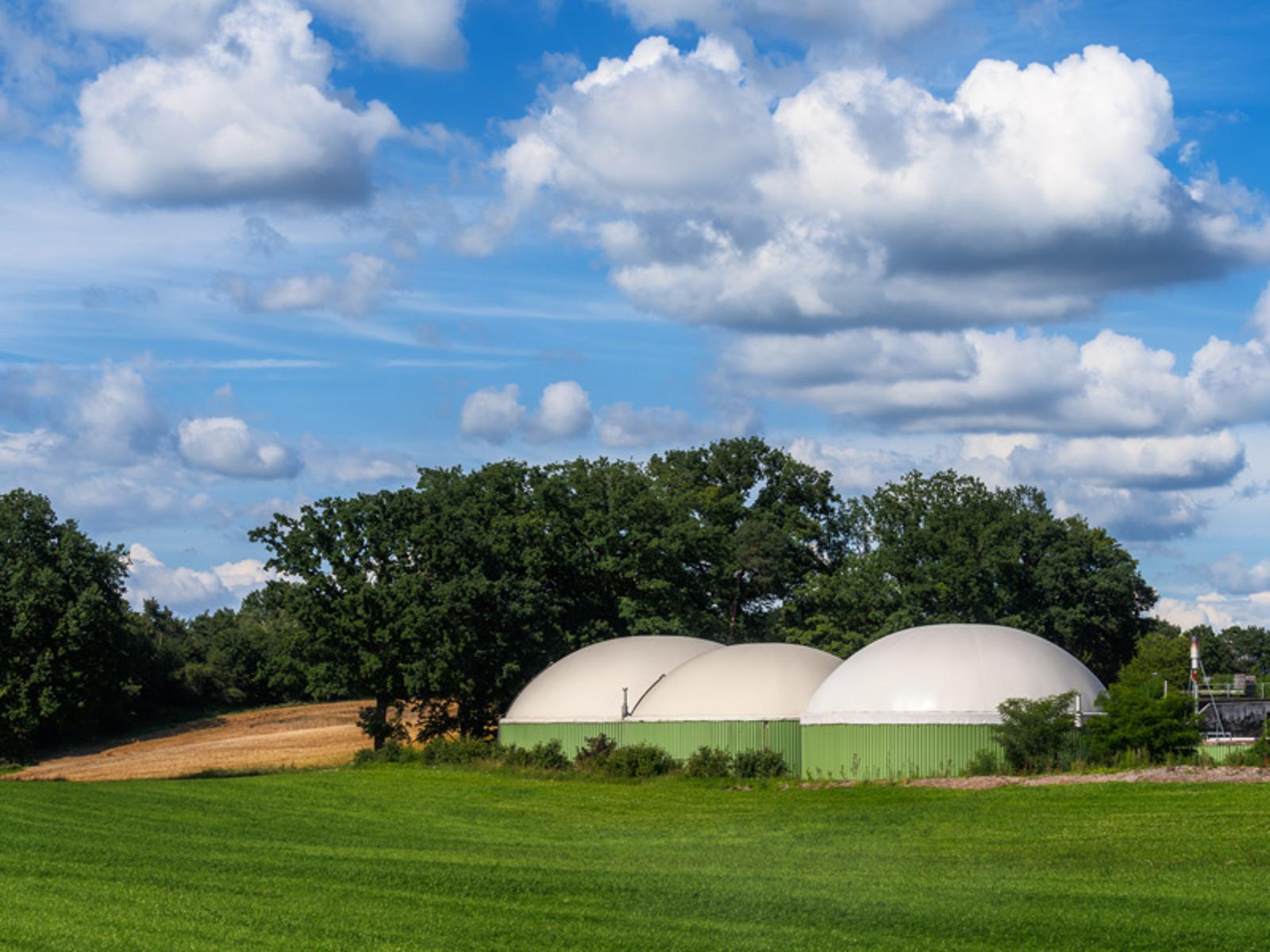
Biogas production converts organic waste into renewable energy through anaerobic digestion (AD). In this oxygen-free process, microorganisms break down materials such as agricultural waste, manure, food waste, wastewater biosolids, and sewage within sealed digesters, producing biogas primarily composed of methane and carbon dioxide.

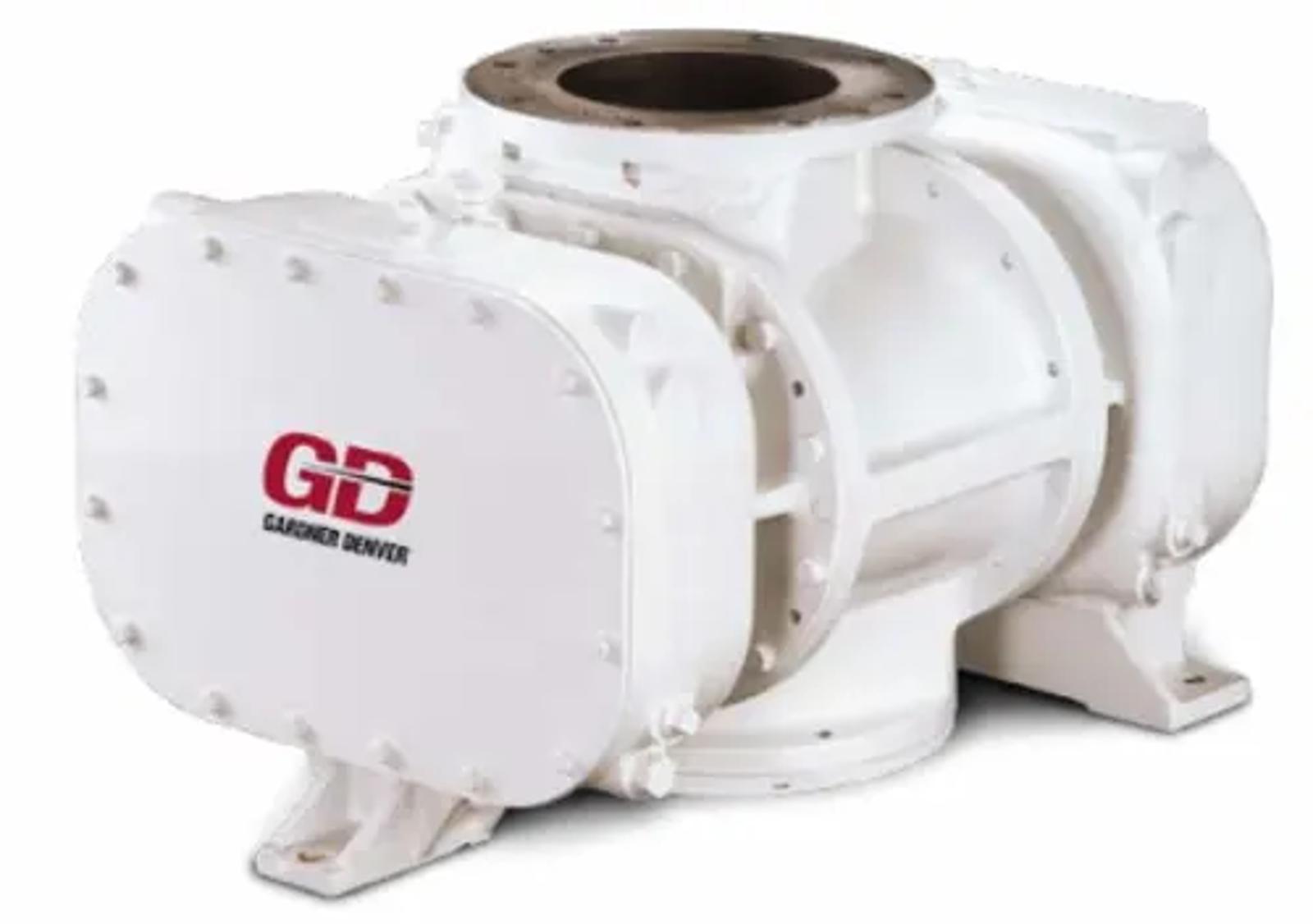
To optimize biogas yield and digester performance, effective mixing is essential. Many facilities use gas recirculation systems that capture biogas from the digester headspace, compress it, and re-inject it through diffusers at the bottom of the digester. The resulting gas bubbles improve liquid circulation, mixing efficiency, and methane saturation. This process is commonly supported by Rotary Lobe, Screw, or Claw blowers operating at pressures up to 1.5 bar(g).

The biogas produced can be used for heat and power generation or upgraded to biomethane for injection into gas grids and vehicle fuel applications. The remaining digestate can be processed into fertilizer products, making anaerobic digestion a sustainable solution for waste management and renewable energy production.

Learn More About Our Premium Biogas Solutions

Let's have a chat!