
API Standards for Air Compressors. A Guide for purchasers, EPC companies and end-users
Enhancing Operational Safety, Environmental Protection and Sustainability
The API Standards for air compressors, developed by the American Petroleum Institute (API), play a critical role in ensuring safe, reliable and sustainable industrial operations. These standards define minimum technical and quality requirements for compressor systems used in demanding sectors such as oil & gas, petrochemical, chemical, power generation and fertilizer industries.
By standardising design, manufacturing, testing and inspection practices, API Standards enhance operational safety, reduce environmental risks and support long‑term sustainability, while also improving equipment reliability and lifecycle performance.
What Are API Standards and Why They Matter
Since 1919, the American Petroleum Institute has led the development of globally recognised technical standards for the oil and natural gas industry. Today, API has issued more than 800 standards, many of which are adopted worldwide and referenced in legislation, EPC contracts and international regulations.
API Standards are developed under an ANSI‑accredited process, ensuring technical rigor, transparency and third‑party recognition. This makes them trusted not only by manufacturers and end‑users, but also by regulators across multiple regions.
At their core, API Standards are designed to:
- Reduce environmental impact and protect ecosystems
- Promote sustainable and reliable industrial operations
- Improve operational safety for personnel and assets
- Establish best practices that prevent costly failures and inefficiencies
Key Benefits of Using API Standards
1. Environmental Protection
API Standards prioritise the prevention of leaks, failures and emissions that could harm ecosystems or public safety. By enforcing rigorous design and inspection criteria, they help organisations reduce their environmental footprint and comply with increasingly strict environmental regulations.
2. Sustainability and Reliability
Standardised engineering practices improve equipment durability, reduce waste, and extend service life. This supports sustainable operations by lowering energy losses, minimising unplanned downtime and reducing the need for premature replacements.
3. Enhanced Operational Safety
Equipment designed and manufactured according to API specifications significantly reduces operational risks. Clear requirements for materials, controls, auxiliary systems and testing help minimise hazards for operators and maintenance teams, especially in critical and hazardous environments.
4. Improved Production Reliability
API‑compliant compressors are engineered for critical services, ensuring consistent performance even under demanding operating conditions. This reliability is essential for continuous processes where interruptions can result in safety risks and significant financial losses.

API Standards Applicable to Air Compressors
Different compressor technologies are governed by specific API Standards, depending on their application and operating conditions:
API 618 – Reciprocating Compressors
Defines minimum requirements for reciprocating compressors used in petroleum, chemical and gas services, including auxiliaries such as lubrication systems, intercoolers and controls.
API 619 – Rotary Compressors
Covers dry and oil‑flooded rotary compressors for special‑purpose applications. This standard is aligned with ISO 10440-1:2007, petroleum, petrochemical and natural gas industries - Rotary-type positive displacement compressors:
Part 1: Process Compressors
Part 2: Packaged Air compressors (oil-free)
API 681 – Liquid Ring Compressors
Specifies requirements for liquid ring vacuum pumps and compressor systems, with strong emphasis on system integration to ensure safe and environmentally responsible operation.
API 672 – Centrifugal Air CompressorsApplies to integrally‑geared centrifugal air compressors used in petroleum, chemical and gas industries, excluding low‑pressure fans and blowers.
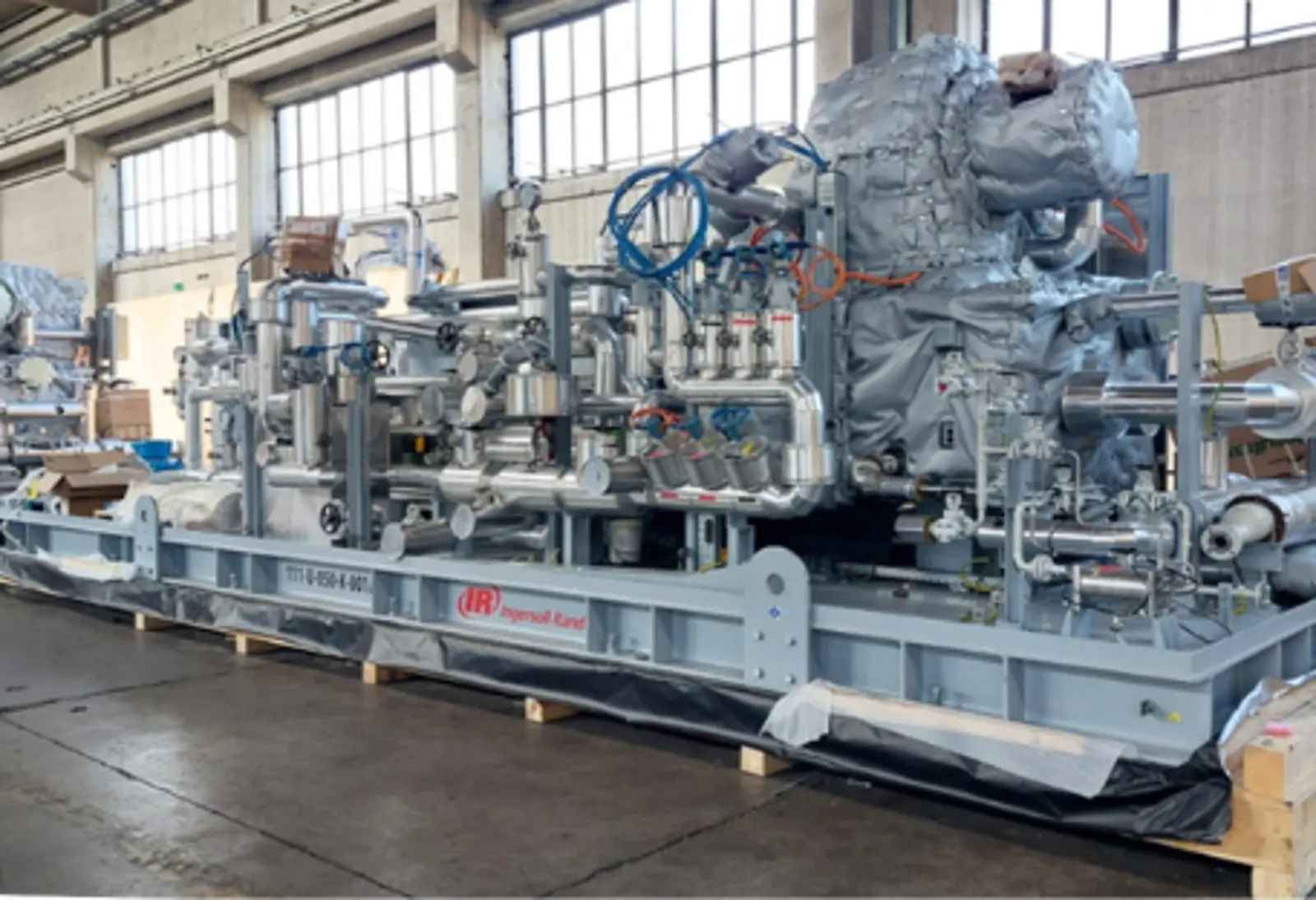
Industries Served by API‑Compliant Compressors
API Standards are most commonly applied in oil & gas, but their benefits extend across multiple sectors that require high levels of safety, environmental protection and reliability:
- Onshore and offshore facilities
- Chemical and petrochemical plants
- Power generation
- Fertilizer production
In EPC and complex engineered projects, API Standards are frequently specified as contractual requirements to ensure consistent quality and risk control throughout the project lifecycle.
Customised and Engineered Compressor Packages
For manufacturers, compliance with API Standards demonstrates the ability to deliver high‑quality, engineered solutions tailored to specific project requirements. Customised compressor packages allow EPC contractors and end‑users to address exact technical specifications, environmental conditions and safety constraints.
These engineered solutions, supported by structured project management and inspection processes, help eliminate ambiguity, improve productivity and ensure full compliance with safety and sustainability objectives.
Guidelines for Equipment Purchasers, EPC Companies and End‑Users
When specifying or evaluating API‑compliant air compressor systems, purchasers, EPC contractors and end‑users should follow a structured approach to ensure safe, reliable and sustainable operation.
- Analyse Project Specifications Carefully
All contractual and technical documents, such as data sheets, drawings, P&IDs and applicable API Standards, must be reviewed in detail. It is essential to identify which API Standard (API 618, 619, 681 or 672) applies and whether it is contractually binding, particularly when related to personnel safety or environmental risk. Site conditions such as temperature, altitude and humidity should also be considered, as they directly affect compressor selection and performance.
- Verify API Compliance and Quality Standards
Ensure that the compressor manufacturer can demonstrate compliance with the required API Standards through documented design practices, manufacturing controls and testing procedures. In addition to API requirements, other international standards (such as ISO, ASME, ATEX or IECEx) may apply, depending on the installation and regulatory environment. Proper verification helps reduce operational risks and supports long‑term sustainability.
- Select Engineered and Customised Compressor Packages
For API‑driven projects, engineered compressor packages are often the preferred solution. Custom‑designed systems allow API requirements to be fully integrated into the equipment, ensuring that safety, environmental protection and performance expectations are met under real operating conditions.
- Emphasise Project Management and Inspection
Effective project management is critical in EPC and complex projects. Clear coordination of engineering, manufacturing, inspection and testing activities helps avoid misunderstandings and ensures full compliance with API Standards. Inspection and test plans, including factory acceptance tests, should be defined and followed to verify quality and safety before shipment.
- Prioritise Safety Training and Operational Readiness
Only trained and authorised personnel should be involved in the inspection, operation and maintenance of API‑compliant compressor systems. Safety training and adherence to established procedures are essential to protect personnel, prevent environmental incidents and ensure sustainable operation throughout the equipment lifecycle.
Conclusion
API Standards for air compressors are far more than technical specifications. They are a proven framework for enhancing operational safety, protecting the environment and supporting sustainable industrial operations. By adopting API‑compliant solutions, organisations reduce risk, improve reliability and demonstrate a long‑term commitment to responsible engineering and environmental stewardship.
Air Compressors
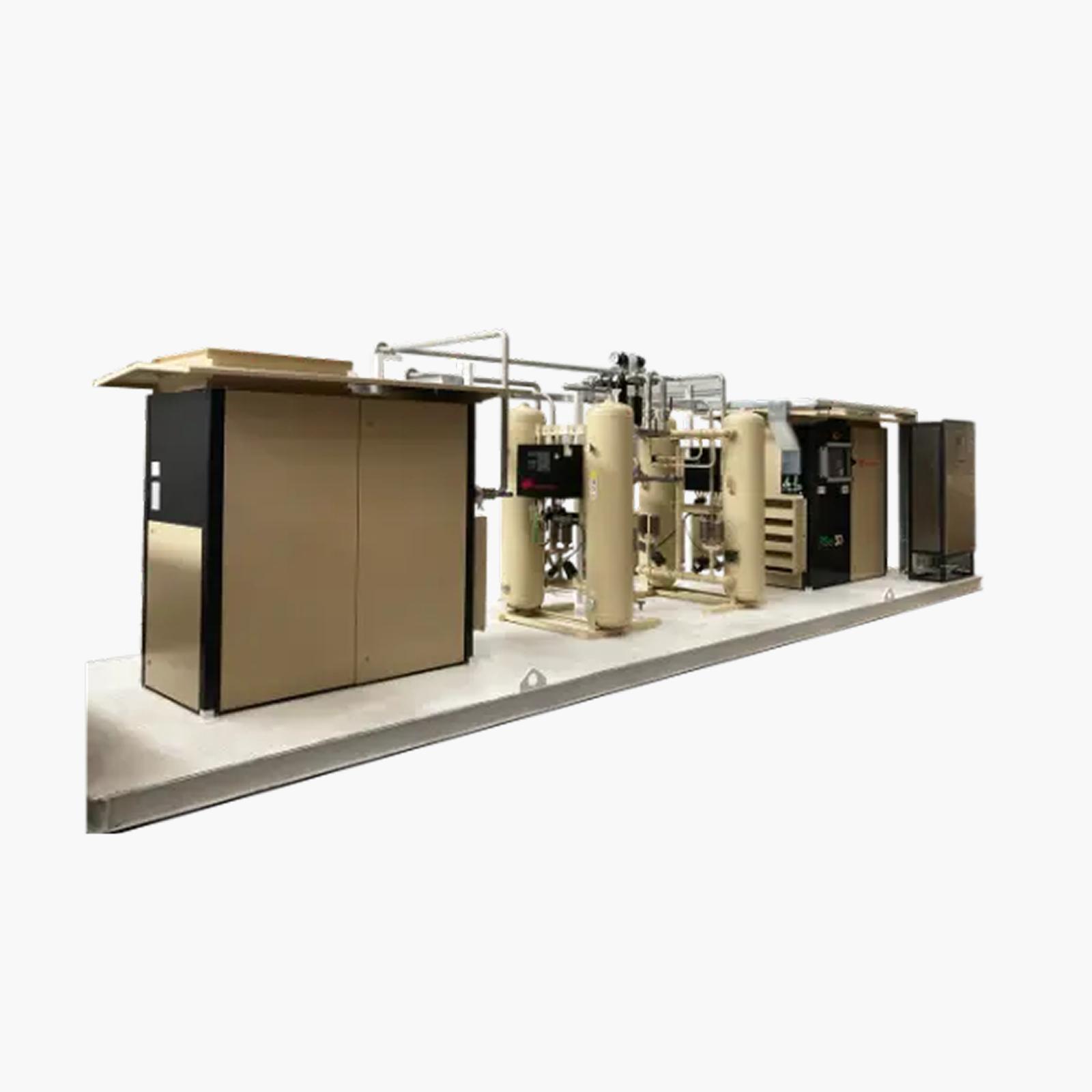
Screw Air Compressor
Efficient, reliable, and versatile, making them a sought-after solution for many industries
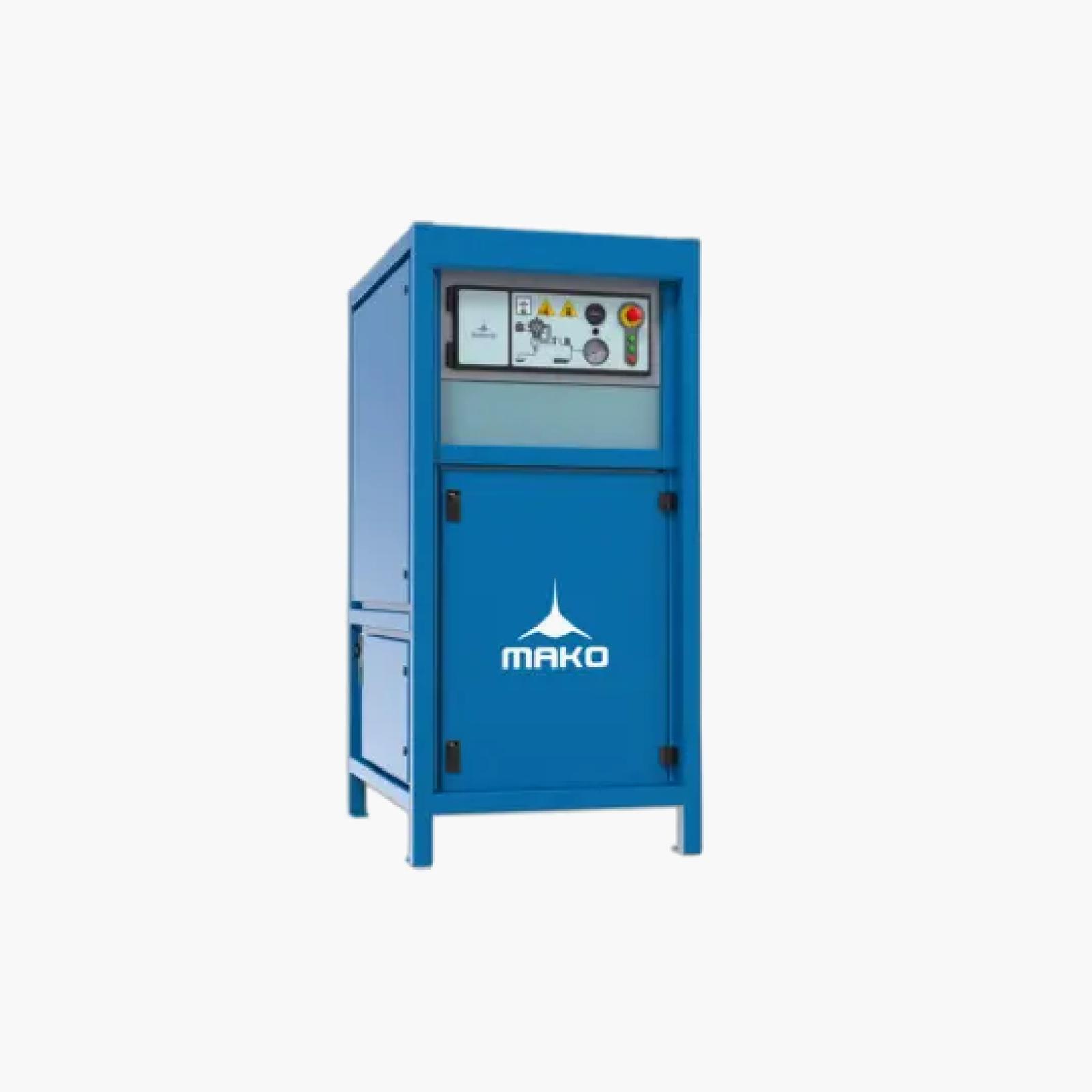
High Pressure Breathing Air Compressors
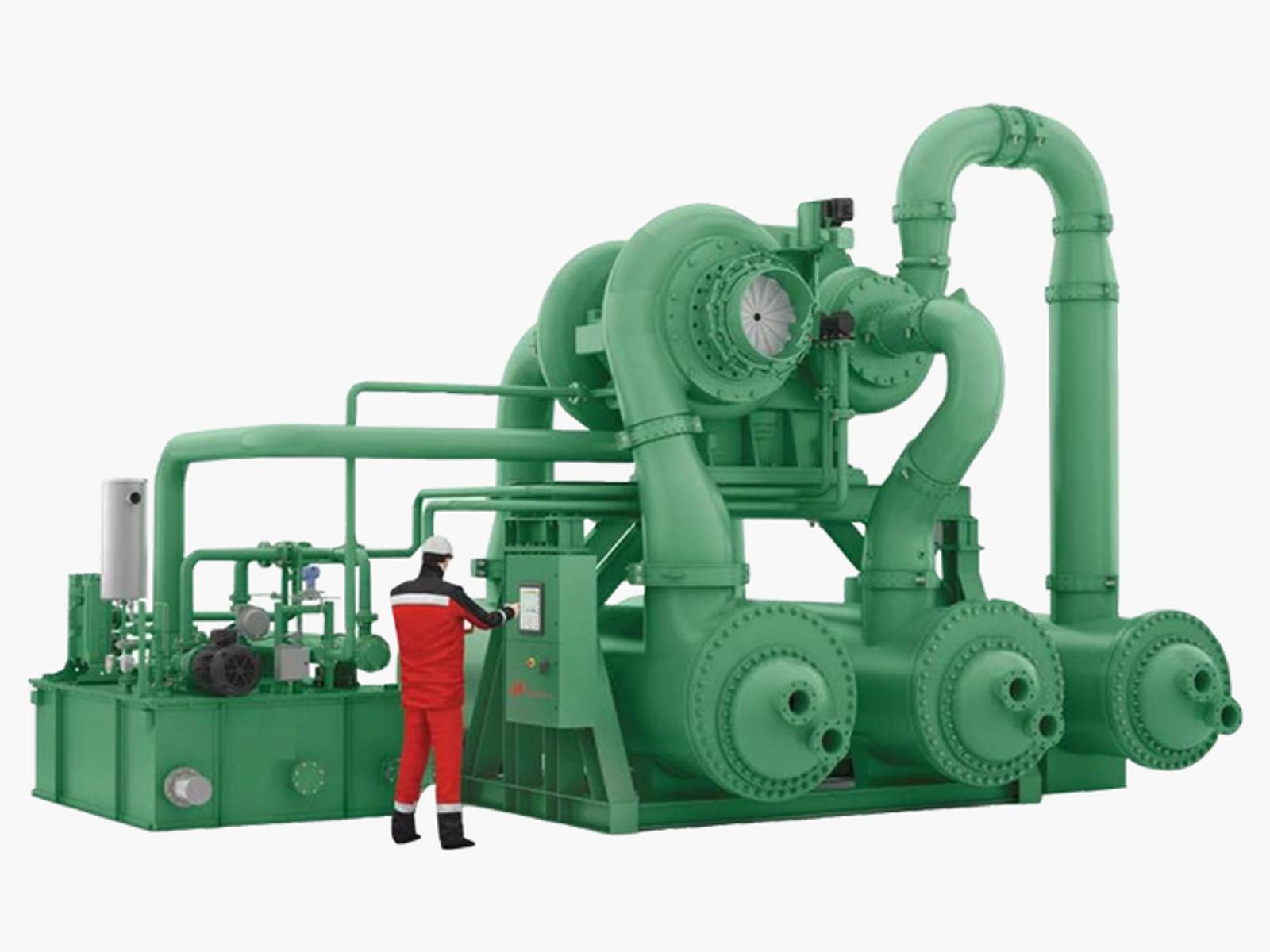
Custom Centrifugal Air Compressors
Deliver instrument air with low operating cost and cost-effective solution.
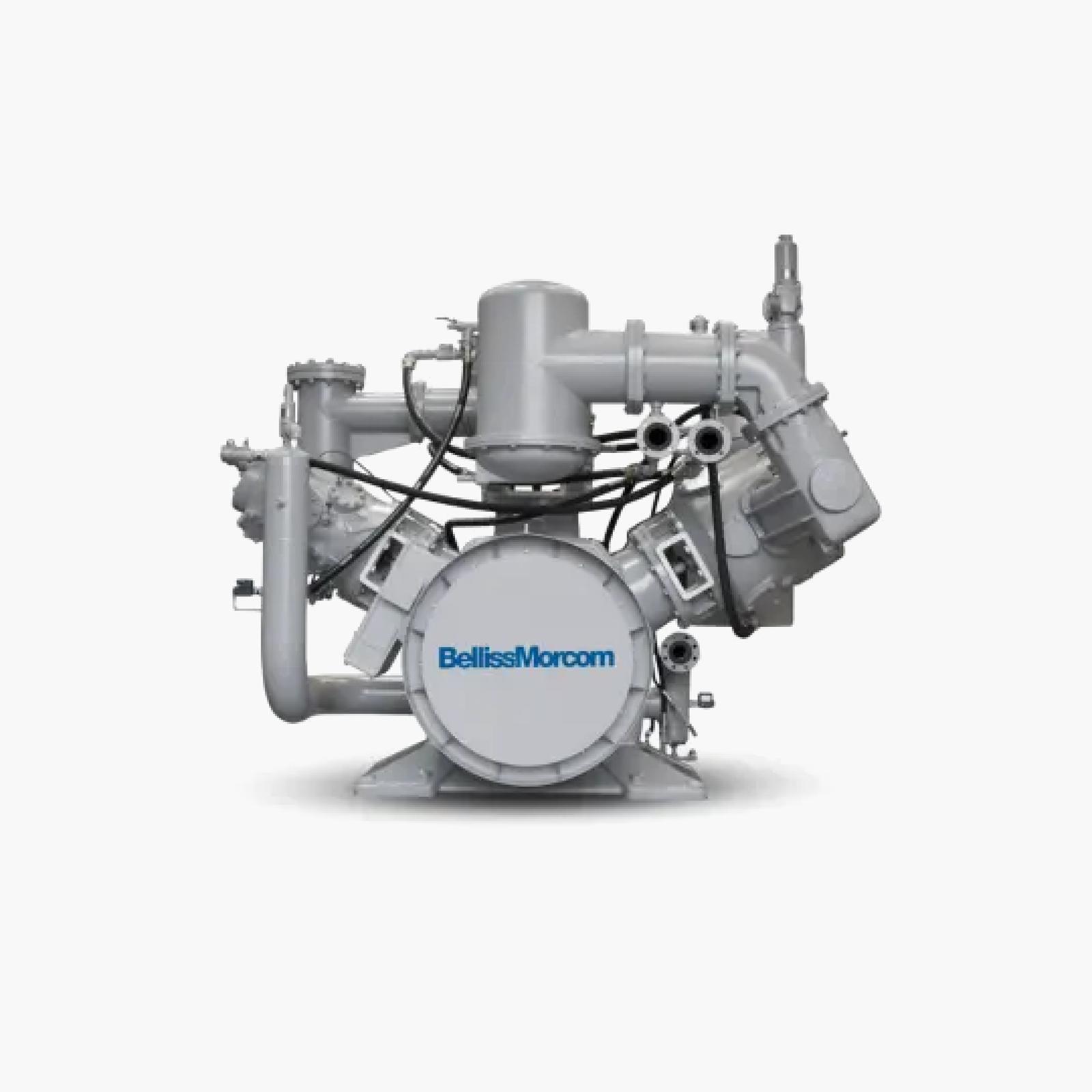
Oil-free Reciprocating High Pressure Air Compressors
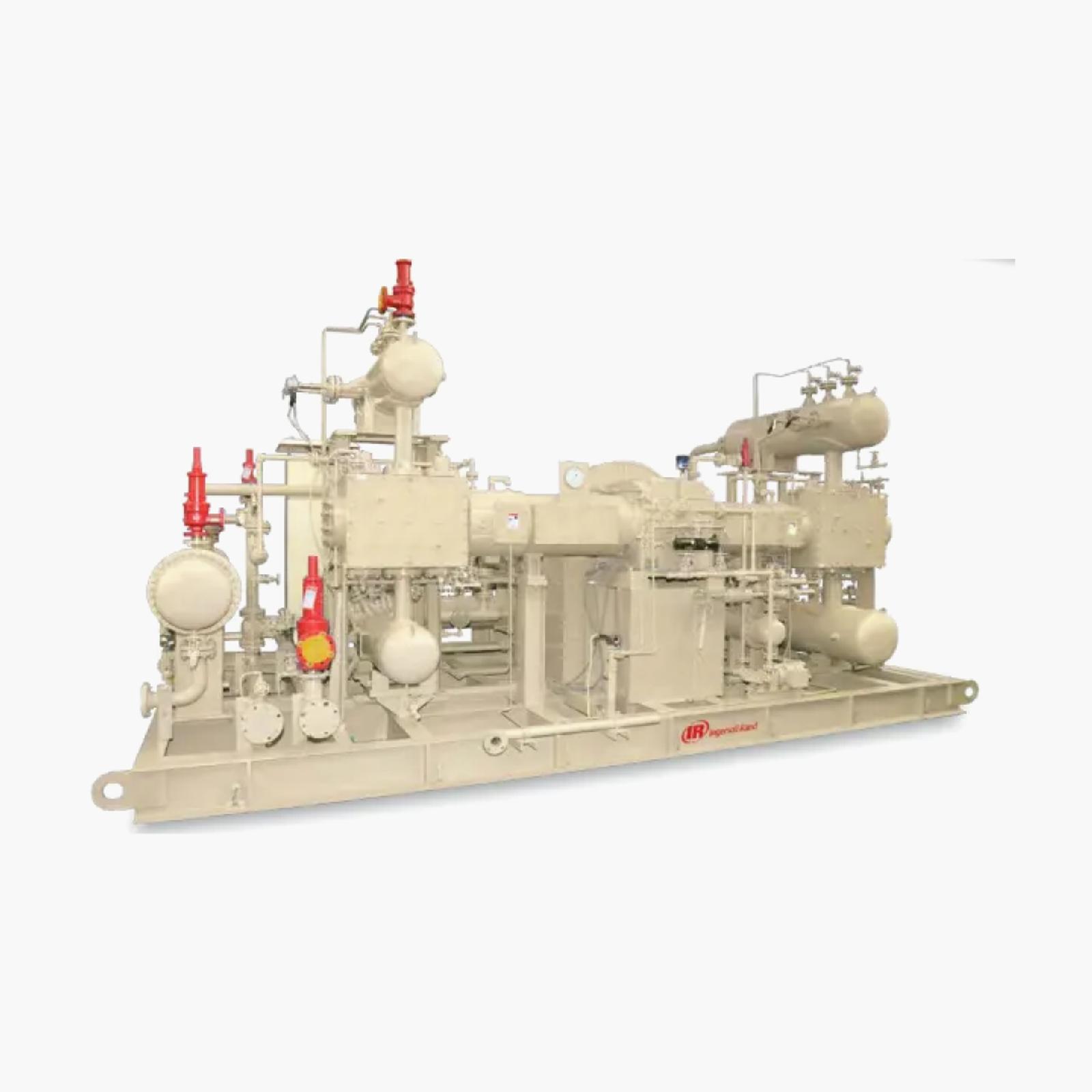
Large Reciprocating Compressors
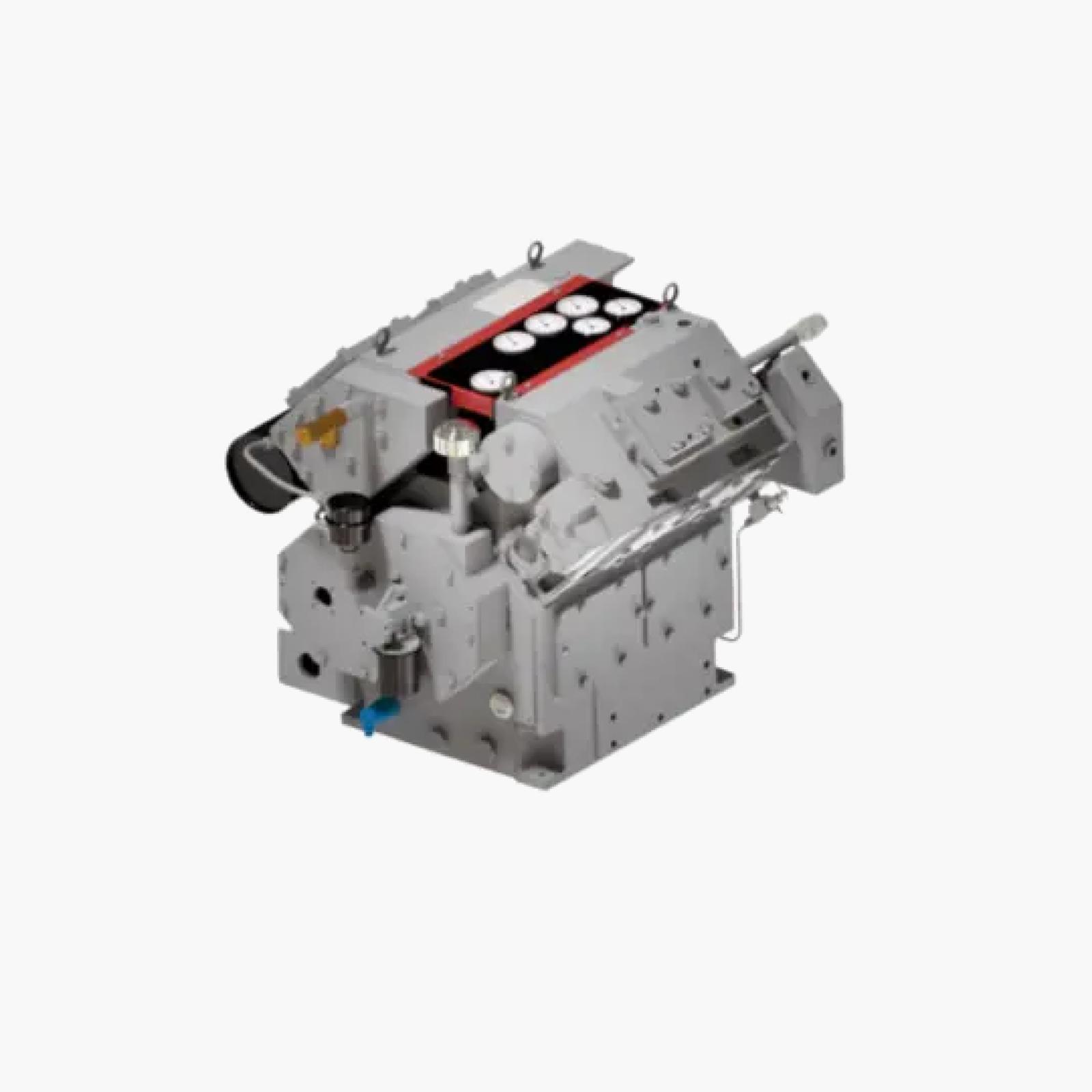
Lubricated High Pressure Air Compressors
Efficient and reliable, serving clients in tough environments
Gas Compressors
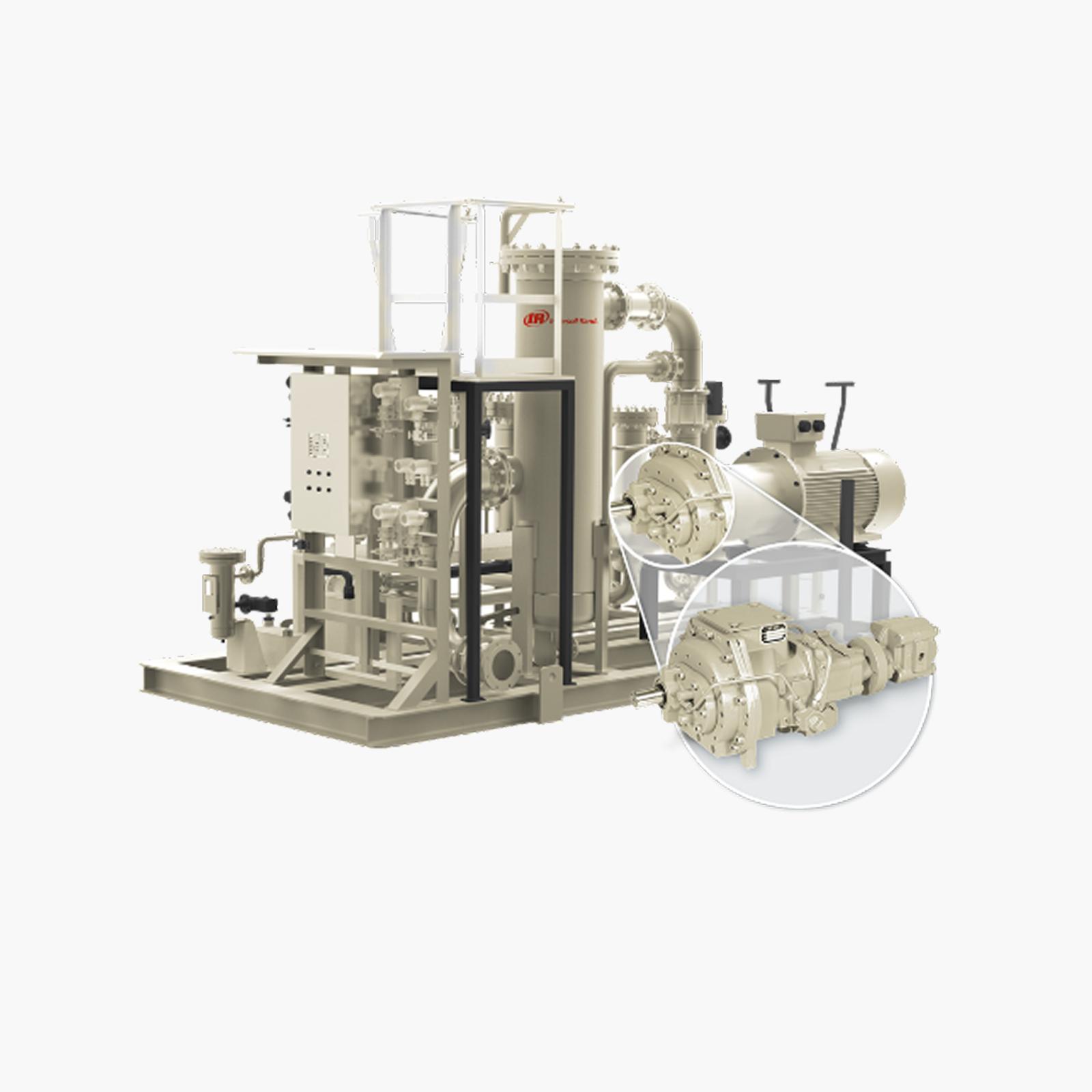
Gas Screw Compressor
Smoother operation, lower energy consumption and therefore reduced operating costs and increased productivity.
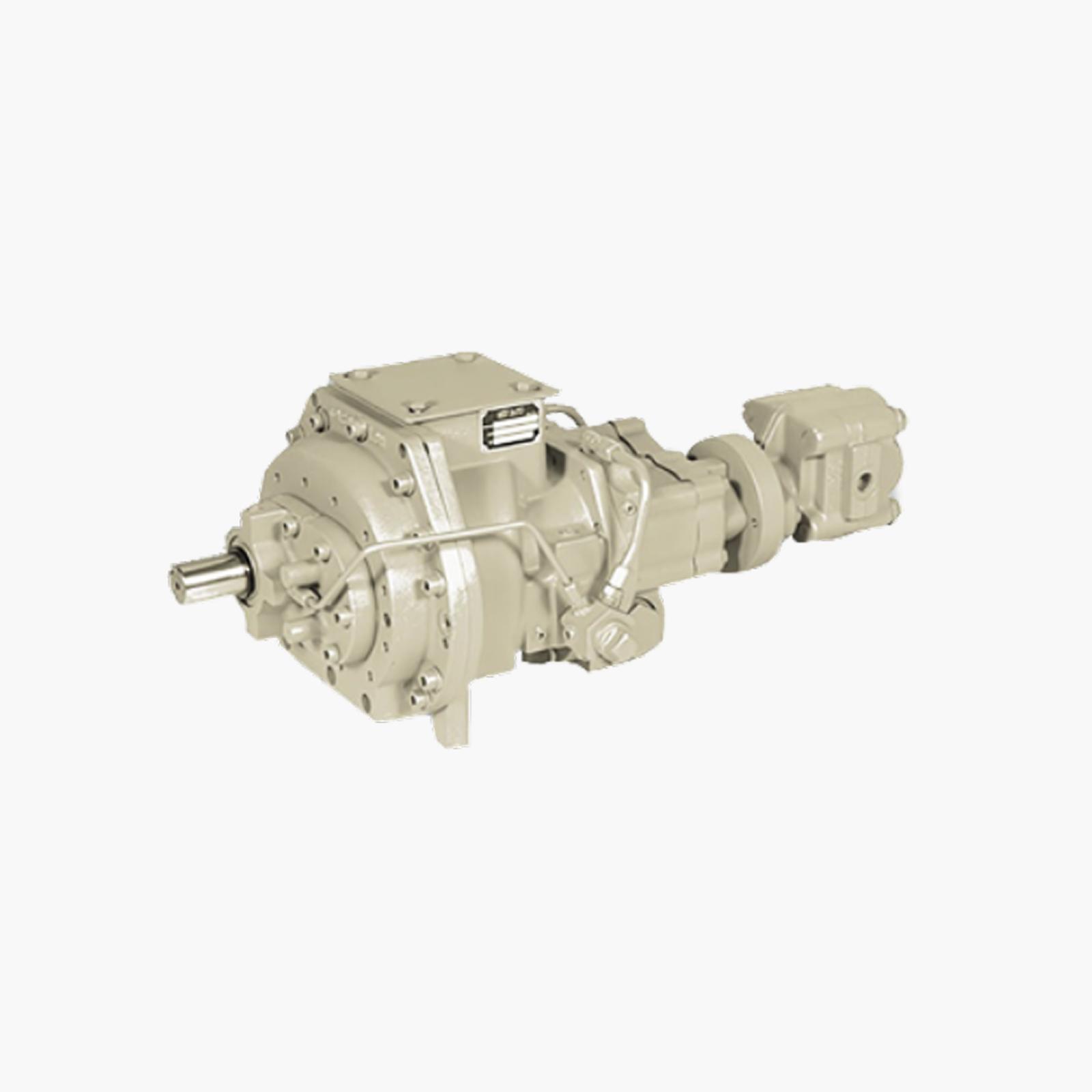
Gas ends
Cost-effective for handling high volumes of gas in field gathering, vapor recovery, and a wide range of other applications and delivering gas at high pressures.
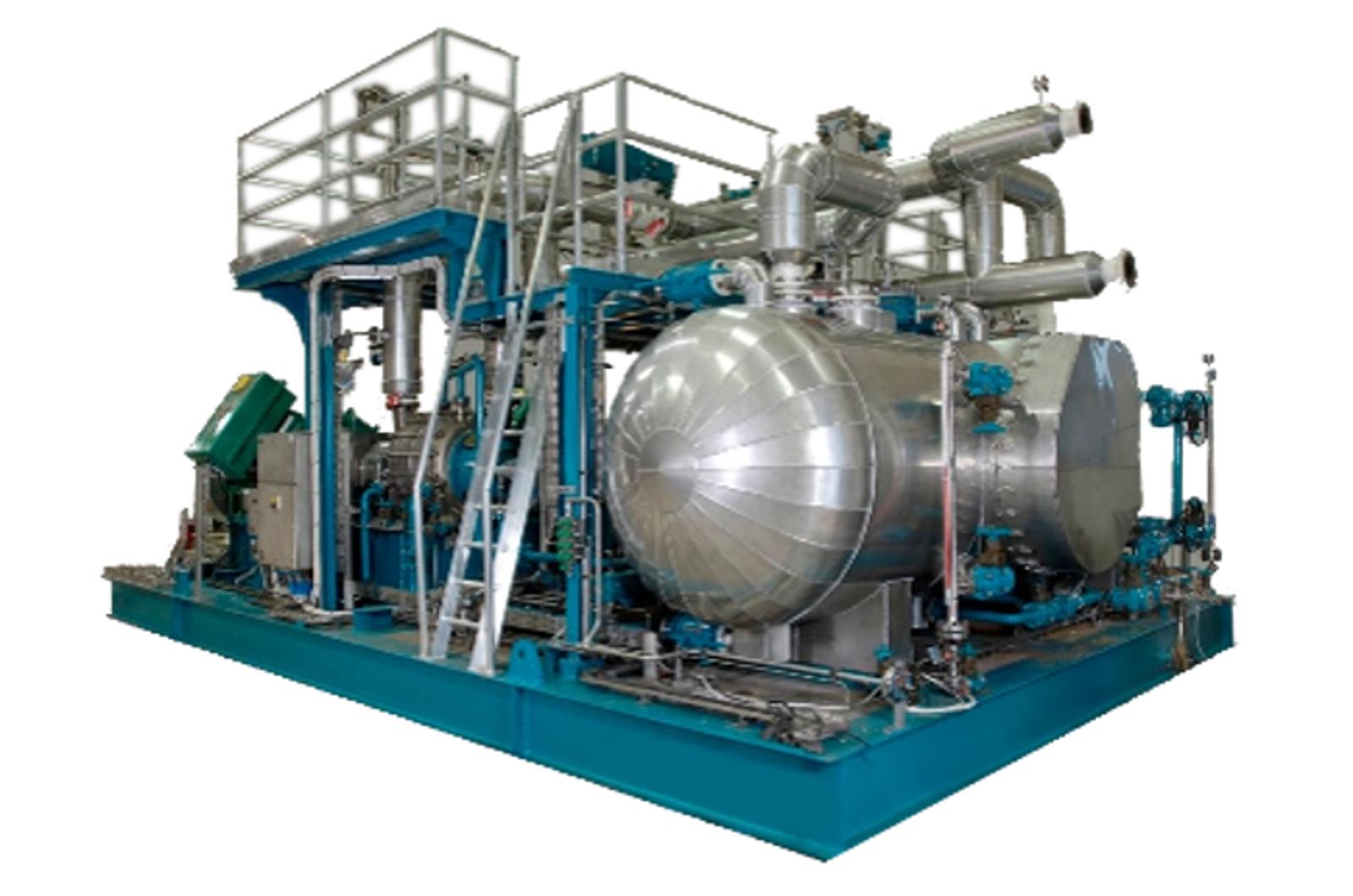
Liquid Ring Compressors Packages
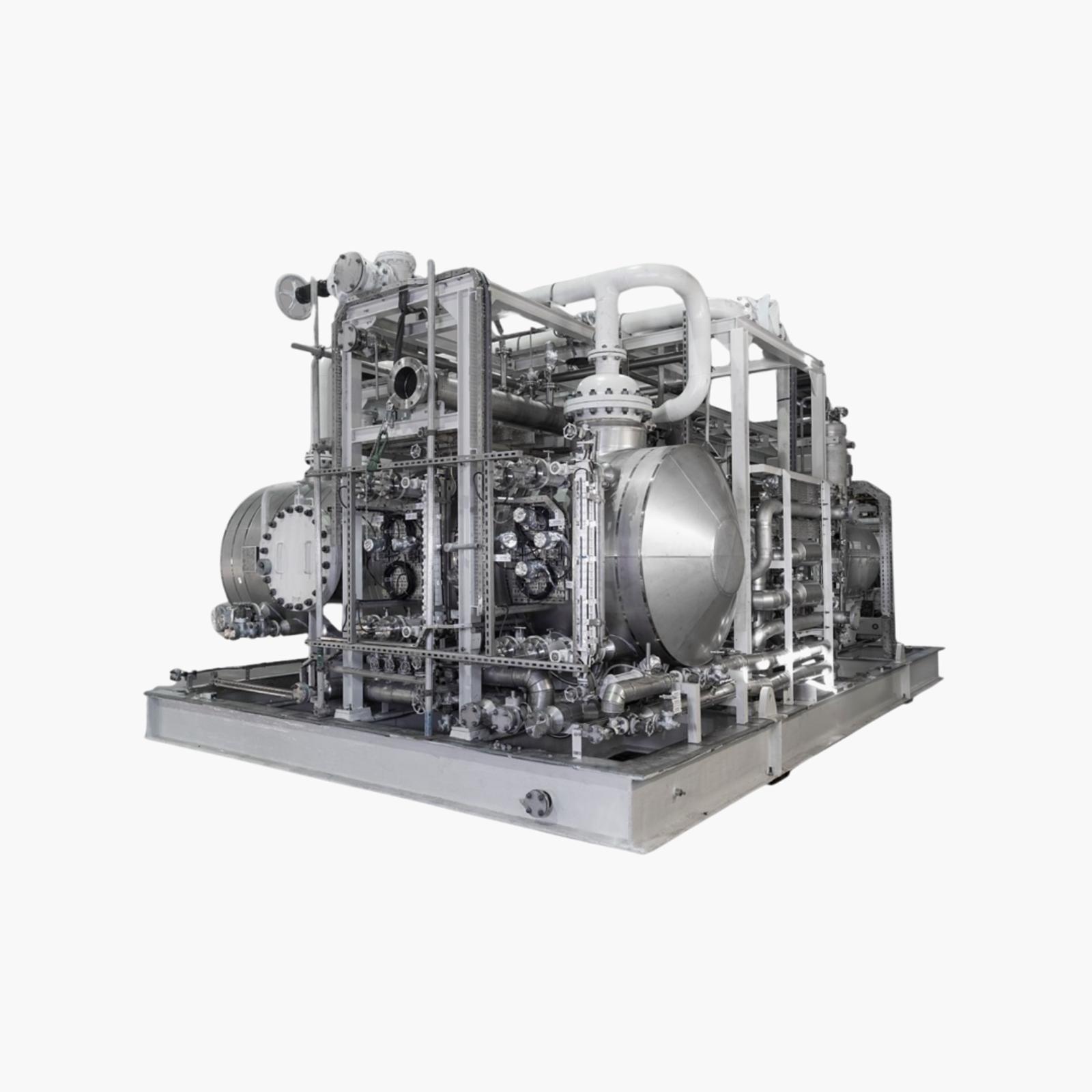
Flare Gas Recovery Packages
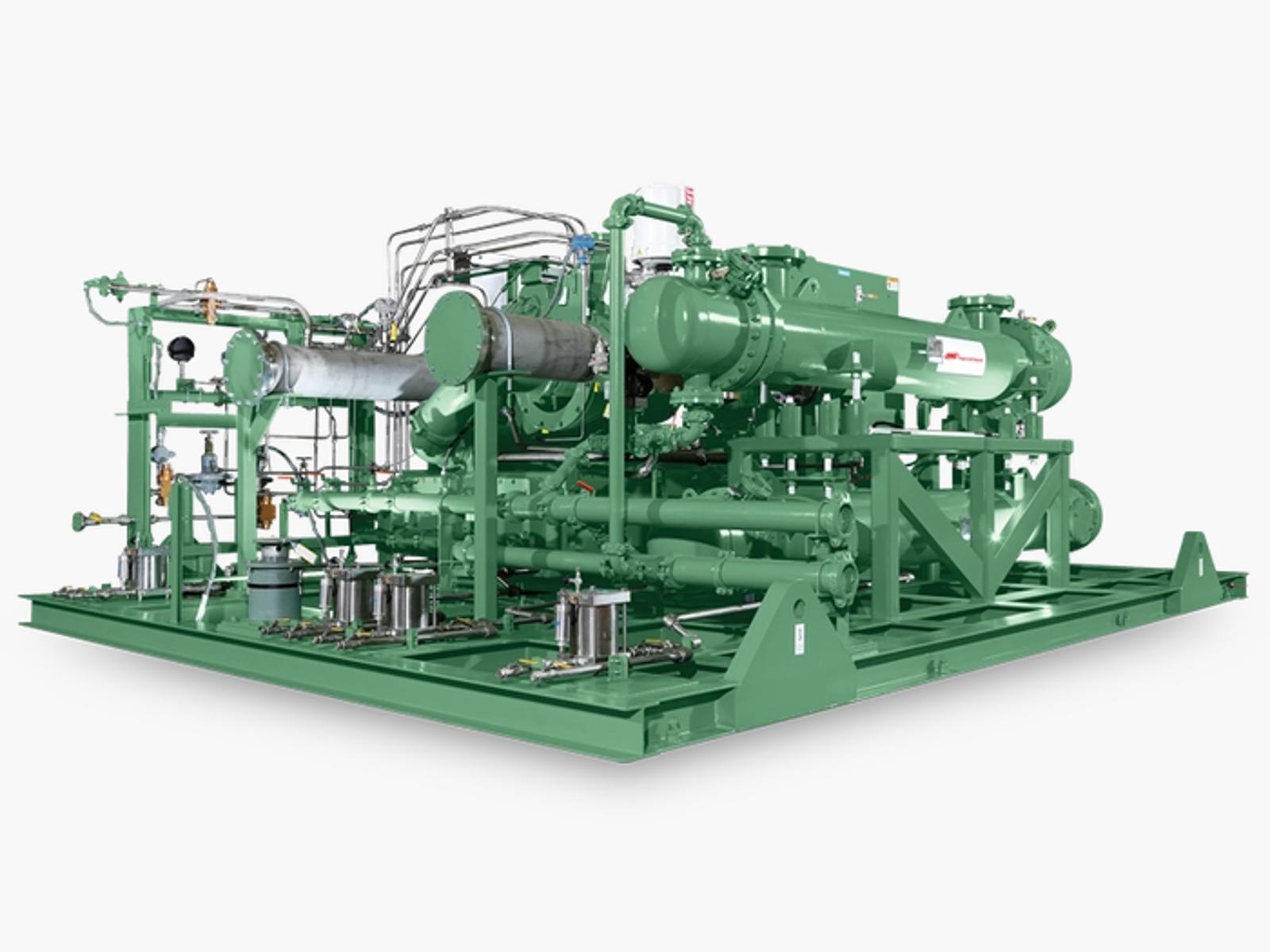
Custom Centrifugal Gas Compressors
For maintaining the purity of your gas streams and eliminates additional costs associated with disposing of oil-tainted condensate and oil removal filters.
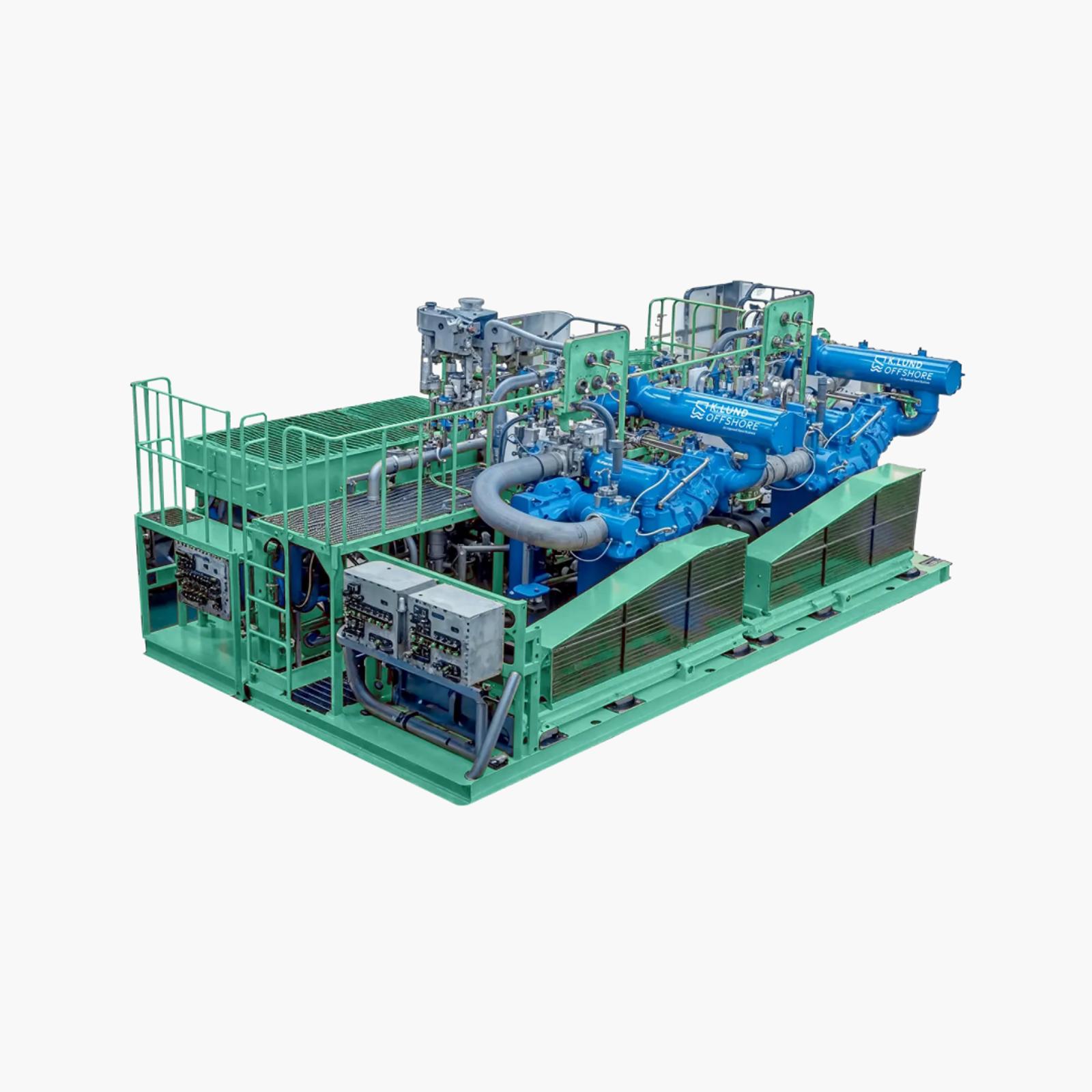
Reciprocating Gas Compressor Packages
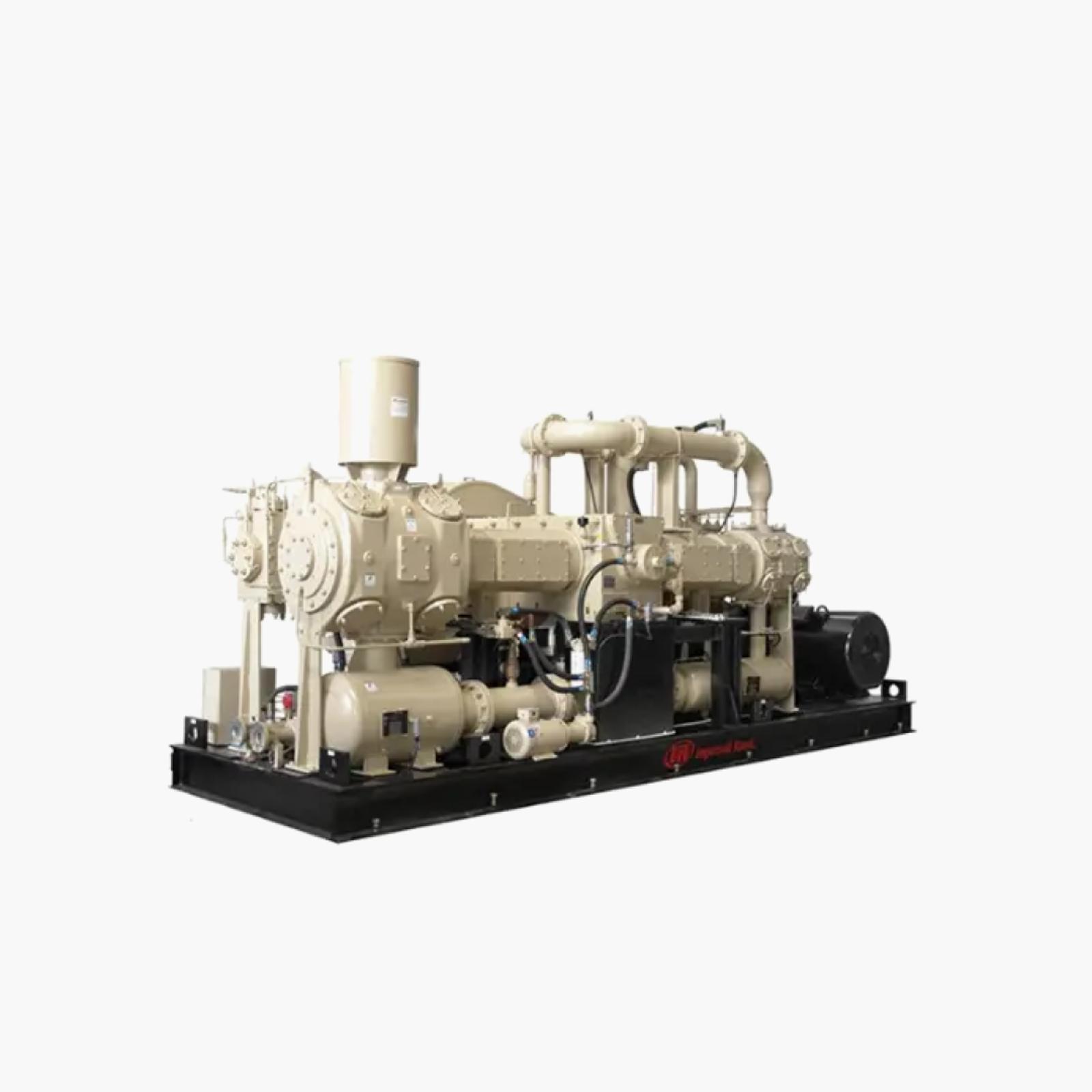
Hydrogen Compressor
Enhance every stage of the hydrogen supply chain, from the initial production phase right through to the point of application.

RNG & BIOGAS Specialty Gas Compressors
Reliable, efficient, and easy-to-install compressors for industrial applications such as gas compression, treatment, upgrading and grid injection.