Products
Air Compressors
Air Compressor Dryers
On-Site Nitrogen Gas Generators
Custom Air and Gas Solutions
Power Tools
Lifting Solutions
Pumps
Parts and Services
Air Compressor Parts & Services
Power Tools Parts & Accessories
Lifting Solutions Parts & Service
Controls & Digital Systems
Air Compressor Controls & Automation
System Performance Manager
Industries & Applications
Automotive
Electronics
Food & Beverage
Manufacturing
Mining
Pharmaceutical
Power Generation
All Industries Served
Resources
Find a Distributor
CAGI Data Sheets
Knowledge Hub

Specification compliance is a critical success factor in modern EPC projects and EPC construction projects. As industrial facilities become more complex, engineers, procurement teams, and project stakeholders must ensure that air and nitrogen packages meet technical, operational, quality, documentation, and regulatory requirements.Effective specification management helps reduce project risk, prevent costly delays, improve reliability, and support successful project delivery. It requires early alignment between stakeholders, transparent compliance reviews, robust deviation management, comprehensive documentation, and strong supplier collaboration throughout the project lifecycle.

Why EPC Projects Require Strong Specification Compliance

Modern industrial facilities demand higher levels of automation, reliability, sustainability, safety, and lifecycle performance. At the same time, EPC contractors face tighter schedules, stronger cost pressures, and greater accountability for project outcomes. 

For every EPC project, technical specifications serve as both a contractual framework and an engineering blueprint. They define:

  • Performance requirements
  • Mechanical design criteria
  • Control system expectations
  • Quality and testing requirements
  • Documentation deliverables
  • Safety measures
  • Industry standard compliance requirements

When specifications are interpreted correctly and compliance is managed effectively, organizations benefit from:

  • More predictable project outcomes
  • Reduced technical uncertainty
  • Improved operational reliability
  • Better lifecycle economics
  • Greater stakeholder confidence

Understanding EPC Construction Projects for Air and Nitrogen Systems

Air and nitrogen packages are essential components across many industrial sectors. Their specifications typically include requirements across multiple engineering disciplines, making compliance management particularly important during bid evaluation and project execution. 


Mechanical Requirements

Typical specifications may address:

  • Oil-free and oil-flooded compressor technologies
  • Centrifugal and rotary screw compressors
  • Multi-stage compression systems
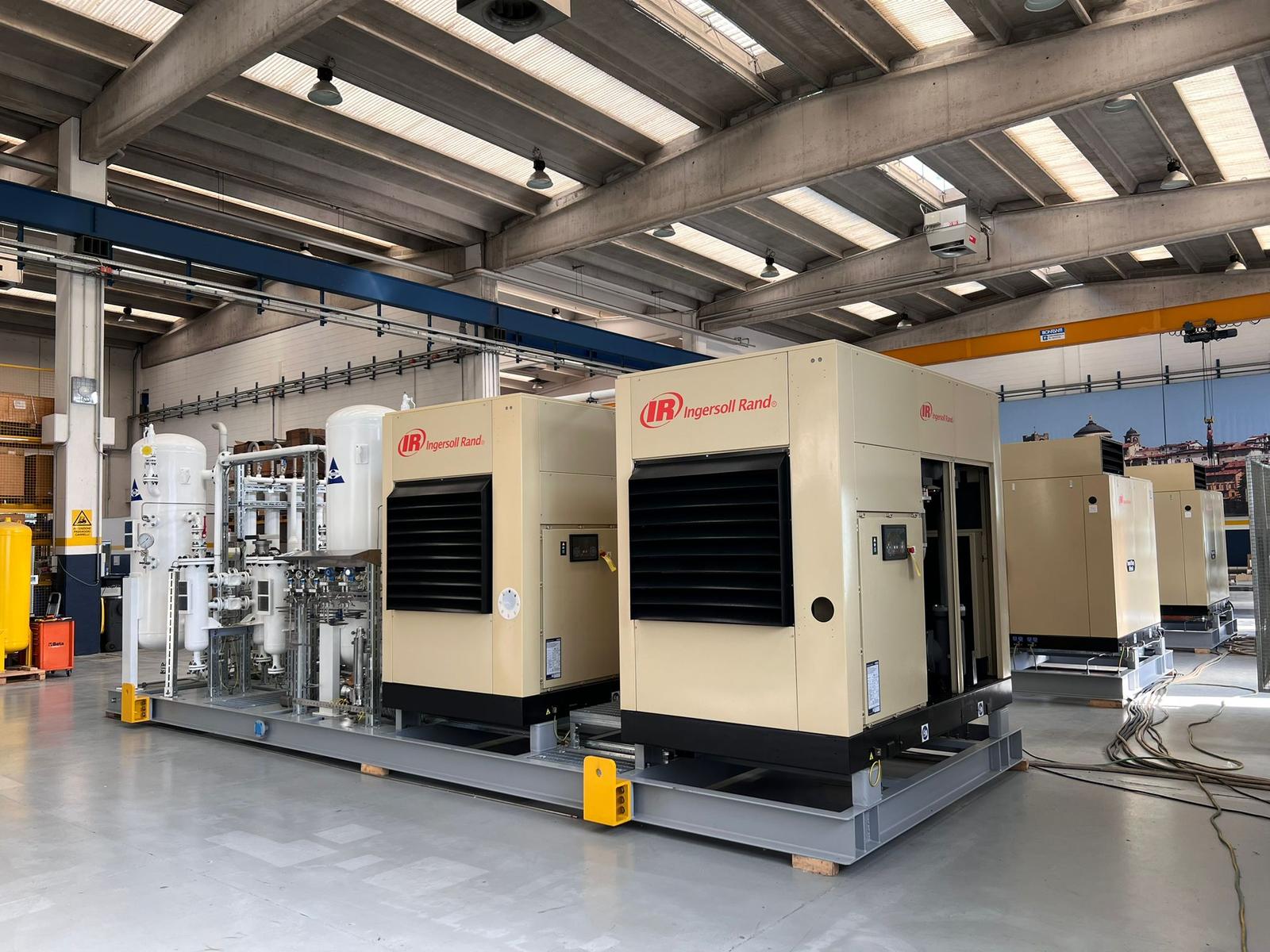
  • Modular or skid-mounted package designs
  • Material selection based on operating environments
  • Corrosion protection and coating requirements
  • Environmental and seismic considerations
  • Noise control measures

These requirements ensure equipment reliability and long-term project performance. 


Process Requirements

For successful EPC construction projects, specifications often define:

  • ISO air quality classes
  • Maximum oil content
  • Dew point limits
  • Nitrogen purity requirements
  • Flow and pressure requirements
  • Redundancy philosophies such as N+1 configurations

These parameters directly impact operational efficiency and facility reliability. 


Controls and System Integration

Modern EPC construction projects depend on seamless integration between equipment and plant-wide control systems. Typical requirements include:

  • PLC compatibility
  • SCADA integration
  • Distributed control system interfaces
  • Pressure, temperature, and flow instrumentation
  • Industrial communication protocols
  • Emergency shutdown functions and safety interlocks

Proper integration reduces commissioning challenges and operational risks. 

EPC Project Compliance Guide for Air & Nitrogen Packages Teaser and Section Image

The Role of Standards in EPC Projects

Compliance with recognized industry standards is a major requirement in many EPC projects.

Commonly referenced standards include:

Standard

Typical Application

API

Compressor design, reliability, testing, and auxiliary systems

ISO

Air quality, management systems, testing, and documentation

ATEX

Equipment for explosive atmospheres

IECEx

Hazardous-area certification

ASME

Pressure vessels and piping systems

ANSI

Mechanical and electrical equipment standards

DIN

Industrial standards used in global projects


Suppliers are often required to provide documented evidence of compliance, including:

  • Design calculations
  • Material certificates
  • FAT reports
  • Inspection records
  • Traceability documentation
  • Third-party certifications

Evidence-based compliance helps avoid design rework, procurement delays, certification issues, and commissioning problems. 

Common Compliance Challenges in EPC Construction Projects

Many organizations encounter recurring compliance challenges during project execution.

Engineering Challenges

  • Unjustified design deviations
  • Ambiguous supplier proposals
  • Missing calculations and technical drawings

These issues can create performance and contractual risks.


Procurement Challenges

  • Focusing solely on purchase price
  • Difficulty comparing competing proposals
  • Hidden lifecycle costs

A low purchase price does not always represent the lowest overall project cost. 


Project Execution Challenges

Specification ambiguities frequently lead to:

  • RFIs
  • Design revisions
  • Manufacturing rework
  • Schedule delays
  • Site modifications

Commissioning teams often discover issues involving missing documentation, integration gaps, and instrumentation mismatches. 

Best Practices for EPC Project Compliance

Organizations can improve outcomes across EPC projects by adopting structured compliance processes.

1. Define Requirements Early

Ensure specifications clearly address:

  • Operating conditions
  • Design margins
  • Reliability expectations
  • Documentation requirements
  • Automation philosophy


2. Demand Full Transparency

Require suppliers to provide:

  • Compliance matrices
  • Deviation registers
  • Complete documentation packages

This helps identify risks before project execution begins. 


3. Evaluate Beyond Price

Supplier evaluations should consider:

  • Engineering capability
  • Documentation quality
  • Technical responsiveness
  • Manufacturing expertise
  • Project experience
  • Delivery performance

4. Align Engineering and Procurement Teams

Successful EPC construction projects often rely on:

  • Joint bid evaluations
  • Formal technical reviews
  • Risk workshopsShared supplier scorecards

Why Supplier Selection Matters in EPC Construction Projects

The right supplier partner can significantly influence project success.

High-performing suppliers contribute:

  • Technical expertise
  • Strong understanding of specifications
  • Transparent deviation management
  • Engineering collaboration
  • Reliable manufacturing quality
  • Effective project management
  • Consistent delivery performance

These capabilities improve execution efficiency across EPC projects and support successful construction outcomes.

Key Benefits of Effective EPC Project Compliance

Organizations that prioritize compliance can achieve:

  • Reduced engineering workload
  • Faster clarification cycles
  • Lower project risk
  • Improved execution efficiency
  • Greater confidence throughout the project lifecycle

Strong compliance practices help protect technical performance, project schedules, and long-term operational reliability. 

Frequently Asked Questions

An EPC project is a delivery model where engineering, procurement, and construction activities are managed through a single contractual framework. Technical specifications define performance expectations, regulatory requirements, and acceptance criteria for project execution.